

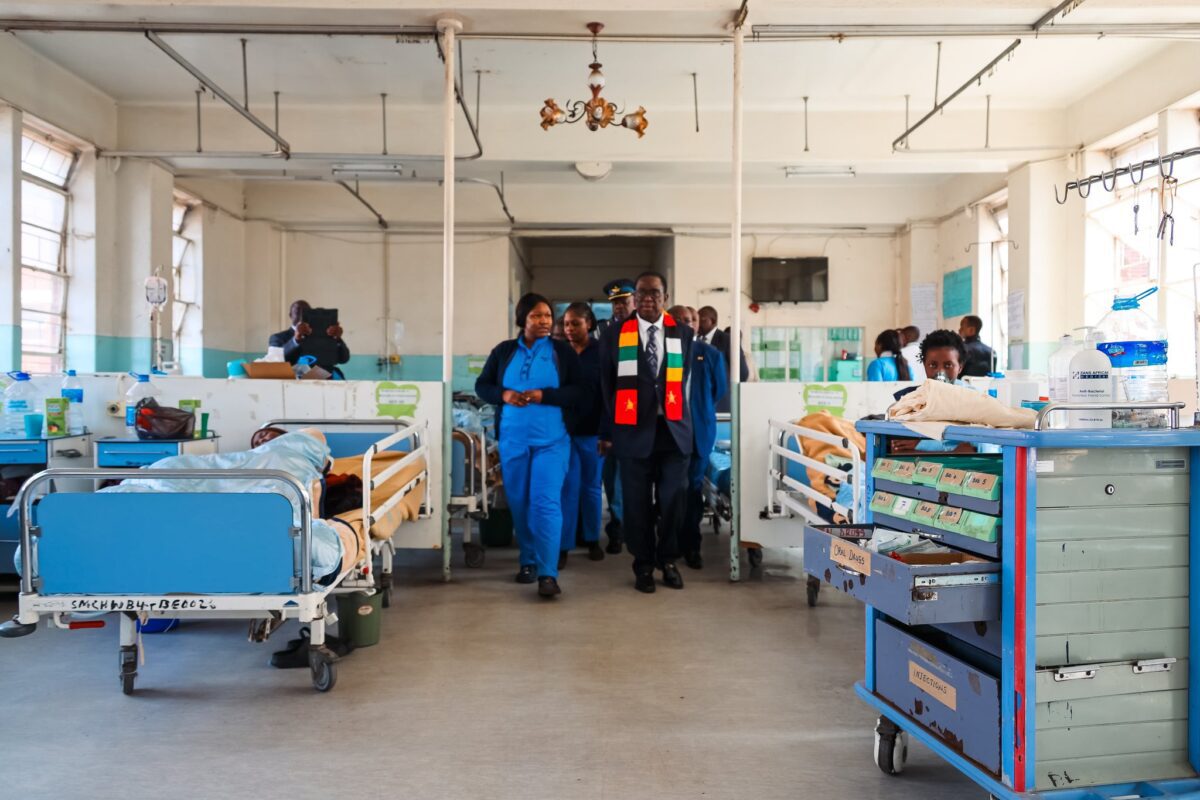
When Matilda Sibanda left Bulawayo for South Africa a decade ago, she hoped to escape Zimbabwe’s crumbling health system. Now 34, she finds herself trapped between two failing systems, unable to access care at home, and increasingly rejected abroad.
“I expected to struggle for work… But being denied medical help when you’re sick? That’s inhumane.”
Operation Dudula, launched in 2021, has justified itself as protecting South Africans by targeting undocumented immigrants. In reality, the campaign has fostered harassment, evictions, and the denial of basic healthcare services, even in emergency cases.
Videos widely shared on social media show pregnant Zimbabwean women being turned away from hospitals. In a high-profile episode in 2022, Limpopo Health MEC Dr Phophi Ramathuba berated a Zimbabwean patient at a public hospital, accusing her of “killing my health system.”
“Even when you are documented, they treat you like you don’t belong,” Sibanda says. “You live in constant fear of being refused help.”
Zimbabwean citizens living in South Africa have appealed for diplomatic intervention, but the official response has been blunt: they are on their own.
Justice Minister Ziyambi Ziyambi recently told Parliament that the Zimbabwean government will not fund healthcare for citizens living in South Africa, insisting that migrants must regularise their stay and contribute to that country’s system.
“We are currently unable as Parliament to budget for adequate health services for citizens in the country,” Ziyambi said.
“Those who moved to other countries, most of them are working. Those who are here are being taken care of by the government. Those who left the country went to look for better opportunities and they should be able to take care of themselves in those countries. No government sends money to another government to take care of its citizens who are in that country. If you are a South African citizen resident in Zimbabwe, you would be required to obtain medical insurance in Zimbabwe so you can receive medical assistance.
Our embassies, however, stand ready to assist those with life-threatening conditions.”
Zimbabwe’s healthcare infrastructure is in a state of decay. Hospitals lack basic drugs, medical staff are overwhelmed, and equipment lies broken.
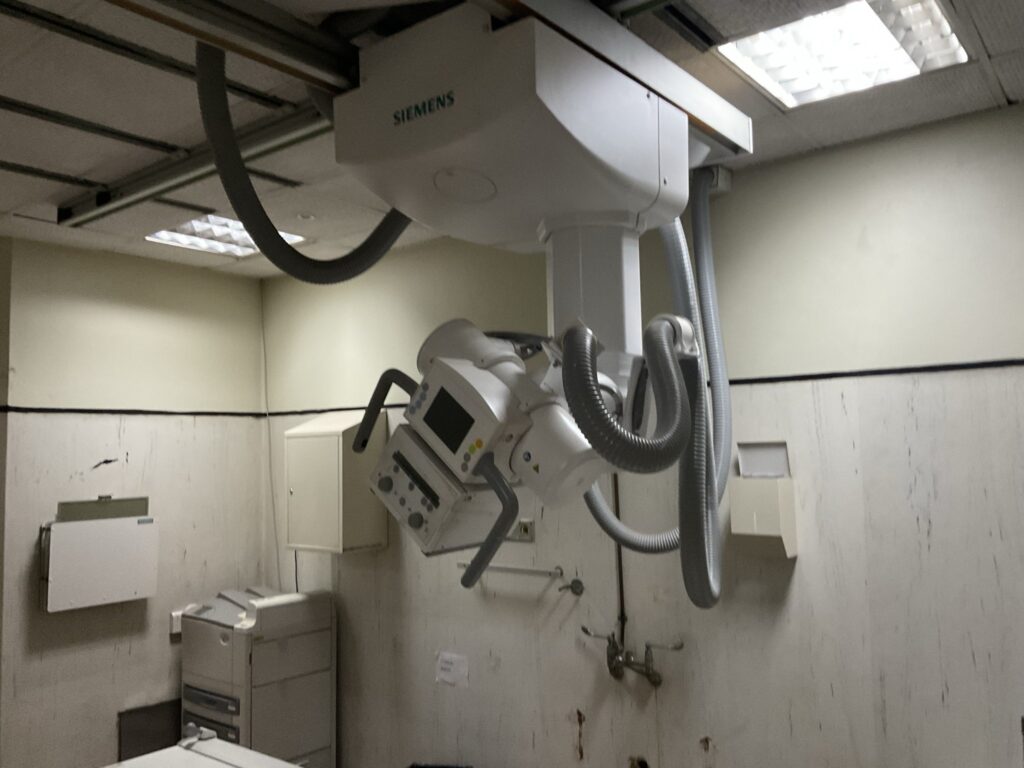
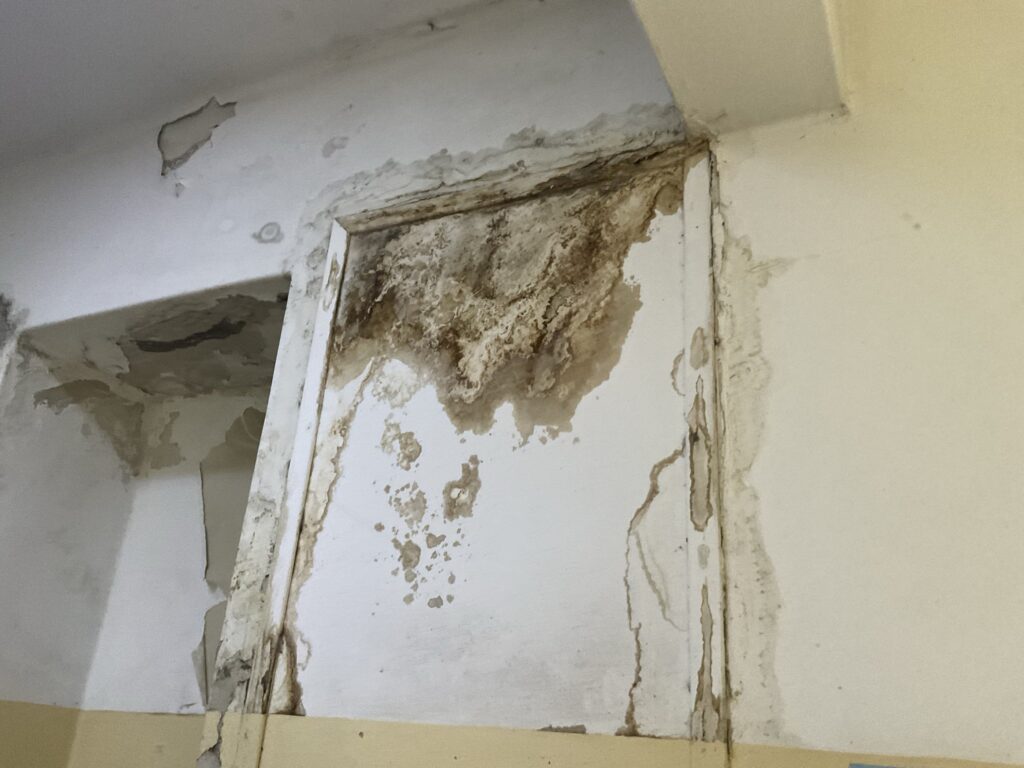
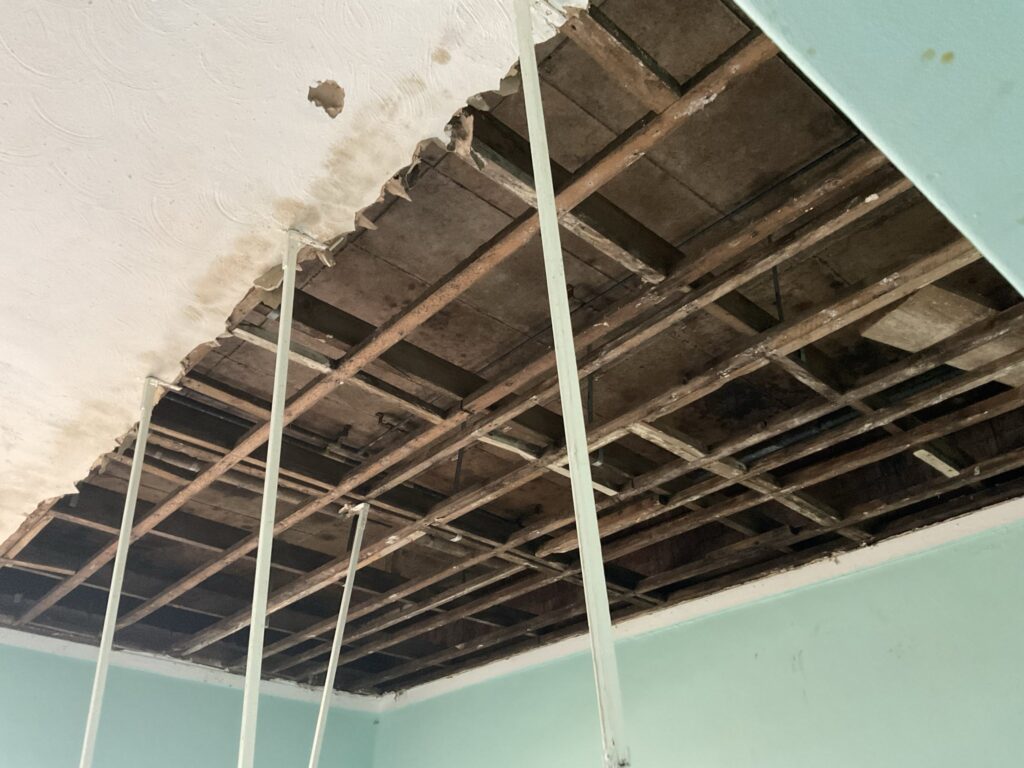
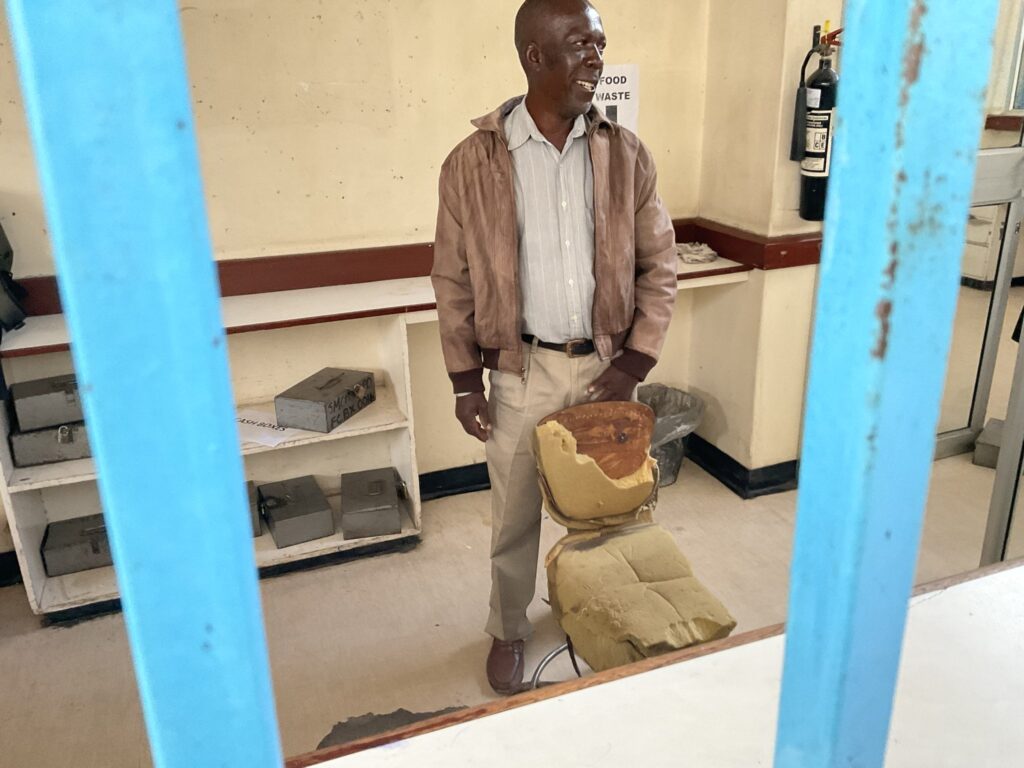
President Emmerson Mnangagwa made unannounced visits in June 2025 to Harare’s two largest referral hospitals, Parirenyatwa Group of Hospitals and Sally Mugabe Central Hospital, where he found outdated equipment, medicine shortages, and strained staff.
The visits prompted swift action with government announcing that the country’s major hospitals will be rehabilitated to meet international standards.
Healthcare worker groups, including the Zimbabwe Association of Doctors for Human Rights (ZADHR), welcomed these developments and called for a Commission of Inquiry to probe the healthcare crisis and propose structural reforms.
While the rapid response was applauded, concerns remain about transparency. The speed of renovations raised eyebrows, with critics questioning the tender processes and whether this momentum will be sustained.
Ngqabutho Mabhena, chairperson of the Zimbabwe Community in South Africa, described Operation Dudula as “a wave of lawlessness hiding behind patriotism.”
“The operation Dudula is continuing with its activities, although we deem these activities illegal, but they continue to prevent people from accessing healthcare facilities. Unfortunately, we do not have the number of Zimbabweans that have been affected by this,” he said.
“The thing is Operation Dudula doesn’t care if one is a legal immigrant or not, if you are foreign, you are simply barred from accessing healthcare facilities. We saw last week Abahlali Basemjondolo, confronting Operation Dudula on the street. There are other South African organizations that took the government and department of Home Affairs to court because they are arguing that they are working in cahoots with Operation Dudula.
“Until the government prevents Operation Dudula from doing what it is doing, those that can afford can visit private health facilities, but we are imploring the government to ensure that people have access to healthcare services.”
An article in Daily Maverick argued that South Africa’s health crisis stems from years of mismanagement and underinvestment, not foreign nationals.
The article notes that healthcare infrastructure has persistently lagged behind demand and population growth, irrespective of nationality, with many border-area hospitals facing heightened pressure, not primarily from migration, but rather from longstanding underinvestment in capacity and resources.
Critical Studies scholar, Dr Khanyile Mlotshwa, said one of the key arguments used to justify Operation Dudula is the claim that foreigners are overburdening South Africa’s public resources, particularly in the health sector.
“They feel that foreigners are abusing their country’s health system, that is the South African taxpayer’s money. To some extent it is true that the health system is strained. However, the impression that foreign nationals don’t pay tax is wrong,” Dr Mlotshwa said.
“What is also problematic with Dudula is branding people as illegal. First, no person can be illegal. Second, Dudula has no means of ascertaining whether someone is in the country illegally or not. Hence, they tend to lump foreign nationals together and abuse them.”
He further noted that Dudula seems to have a special kind of hatred for Zimbabweans, with stereotypes of aliens out to take over the country produced and circulated, especially online, resulting in some living in fear.
“In a sense, groundwork has been done to ‘eliminate’ Zimbabweans. Zimbabweans live with that reality in the back of their mind. That they are hated. Some give up and return home. Those who stay put are compelled by their dire situation back home. I say ‘their’ because people’s circumstances both at home and in the diaspora are not the same,” he said.
He added that the issue of being turned away from hospitals is a recent development that will likely be challenged in court.
“The Helen Suzman Foundation has litigated in support of foreign nationals, as a way of protecting them. When the government planned to cancel the special permits, they mounted a victorious legal challenge in the country’s courts,” he said.
“The recent developments, where people are blocked from accessing hospitals, are fairly new and yet to be taken up as legal cases.”
The government of S.A should treat this lawless act with urgency, seeing that it’s pushed by purely uninformed ordinary people who will not be responsible again for the negative consequences that may lately face the country derived from such notoriety
It’s an act of hate & arrogance,its not gonna add any positive input to anything.