

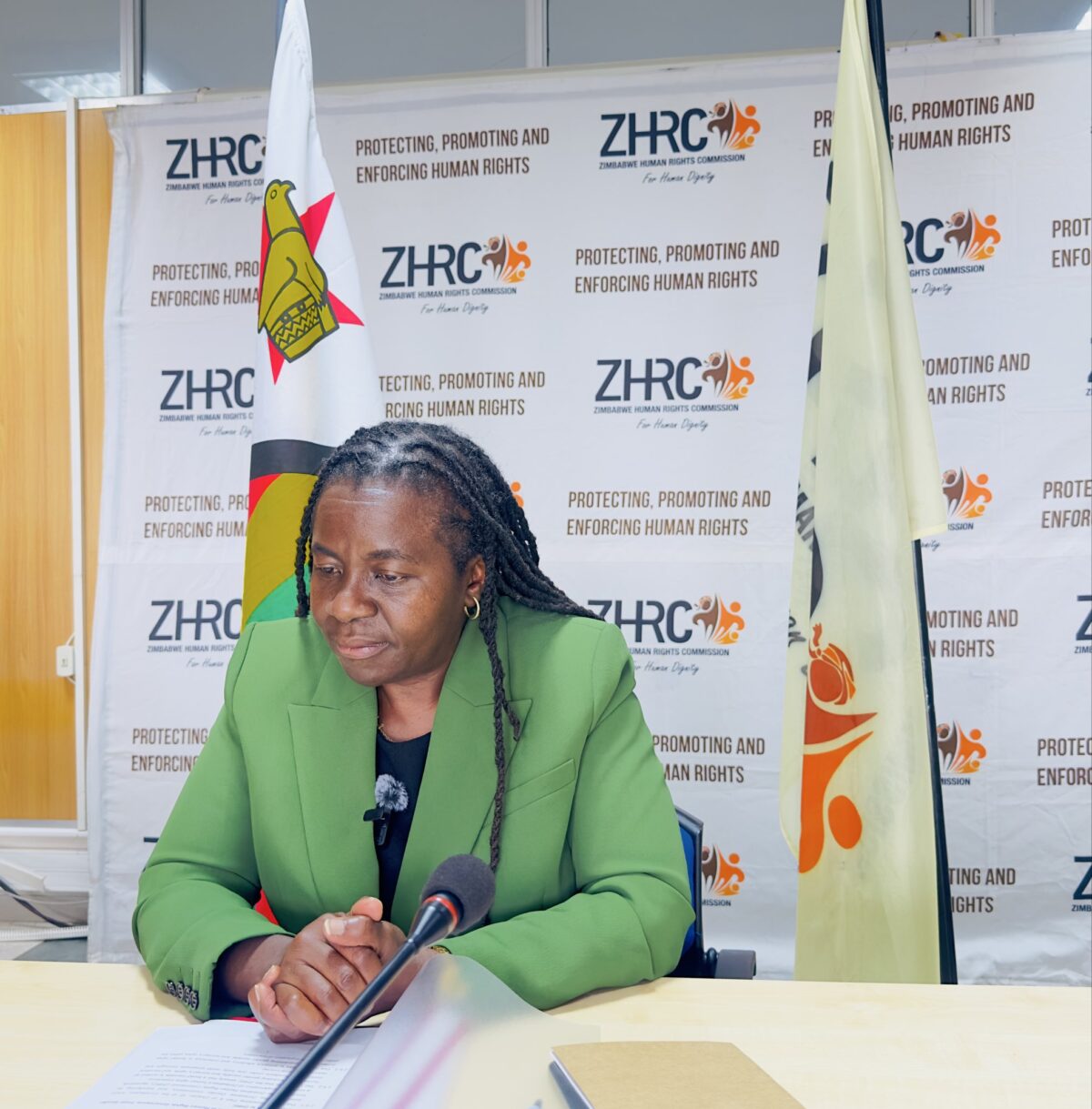
A growing number of Zimbabweans, both offline and online, have praised the Zimbabwe Human Rights Commission (ZHRC) for its candid assessment of the recently concluded public hearings on Constitutional Amendment Bill No. 3 (CAB 3), with many saying the Commission has validated widespread concerns that the process was fundamentally flawed and unconstitutional.
This comes amid official narratives portraying the nationwide hearings, held between March 30 and April 4, 2026 as largely peaceful, inclusive, and well attended.
However, the ZHRC’s findings paint a more complex and troubling picture, highlighting serious breaches of constitutional provisions and human rights standards.
As Zimbabwe’s National Human Rights Institution and Ombuds body established under Chapter 12 of the Constitution, the ZHRC deployed monitoring teams across all provinces to assess whether the consultation process met key democratic principles, including public participation, inclusivity, equality, access to information, and freedom of expression.
While the Commission acknowledged that attendance was generally high and included a diverse cross-section of society, including women, youth, elderly citizens and persons with disabilities, it raised significant concerns about how the process was conducted.
“The ZHRC noted that overall attendance at the observed consultations was high,” the Commission said.
“However, the constitutional amendment process must be founded on transparency, accountability, and participatory democracy.”
Despite these positive indicators, the Commission found that many venues were too small to accommodate the large numbers of attendees, effectively excluding some citizens from participating.
More critically, the ZHRC documented widespread intimidation and harassment of individuals expressing dissenting views.
“Whilst those in support of the Constitutional Amendment were able to give their views, the Commission noted the harassment and intimidation of dissenting voices,” the report stated. “Individuals and groups opposed to CAB 3 were denied audience.”
In some cases, the violations escalated into physical violence.
“The Commission observed instances where participants with divergent views were threatened, silenced, denied opportunities to contribute and in some instances, physically attacked,” the ZHRC said.
The Commission also highlighted what it described as a “strong pattern of controlled participation” across multiple provinces.
In some areas, access to venues was tightly managed, with individuals reportedly vetted before entry.
“In Mashonaland West, men holding whips were involved in vetting participants in Mhondoro Ngezi,” the report noted, underscoring the extent of coercion present at some hearings.
The ZHRC concluded such conduct violated several constitutional rights, including freedom of expression, freedom of conscience, the right to human dignity, personal security, and equality and non-discrimination.
It further stressed that Zimbabwe is bound by international obligations, including the International Covenant on Civil and Political Rights (ICCPR), which guarantees citizens the right to participate in public affairs and express their views freely.
“The State has the duty to make sure there is full enjoyment of human rights by all individuals, regardless of their views,” the Commission said, calling on all stakeholders to exercise tolerance and uphold constitutional values.
The Commission’s findings have been widely welcomed by civil society groups, constitutional watchdogs and ordinary citizens, many of whom say the report confirms what they witnessed during the hearings.
The Constitution Defenders Forum said the ZHRC had exposed a deeply compromised process.
“The findings by the Zimbabwe Human Rights Commission confirm what we have consistently exposed, that the public hearings on Amendment Bill No. 3 were fundamentally flawed, exclusionary, and marked by intimidation of dissenting voices, in clear violation of constitutional standards,” the group said.
“Such a process is legally defective and cannot produce a legitimate outcome.”
The Forum went further, calling for the complete withdrawal of the Bill.
“The scale of irregularities renders the current process irredeemable. Amendment Bill No. 3 must be withdrawn in its entirety, and any future attempt must strictly comply with constitutional safeguards, including a national referendum,” it said.
On social media platforms, many Zimbabweans have singled out ZHRC chairperson, Jessie Majome, for praise, commending her for what they described as principled and courageous leadership.
Commentators lauded Majome for “staying true to the spirit and letter of the Constitution” and executing the Commission’s mandate with “candour and professionalism rarely seen in the country.”
“You are on the right side of history,” one user wrote, reflecting a broader sentiment that the Commission’s stance represents a rare instance of institutional independence.
However, some observers also noted gaps in the report, including the absence of a clear position on whether a referendum should be required for the proposed constitutional changes.
The ZHRC’s findings stand in stark contrast to the State’s portrayal of the hearings as orderly and representative of public opinion.
According to the Commission, most submissions recorded at the hearings were in support of the Bill, including proposals to extend presidential and parliamentary terms, allow the President to appoint additional senators, and transfer the voters’ roll from the Zimbabwe Electoral Commission to the Civil Registry.