

By Nokuthaba Dlamini
Wire snares continue to take a heavy toll on wildlife in the forests surrounding Hwange National Park and the Victoria Falls wildlife corridors, despite intensified anti-poaching efforts.
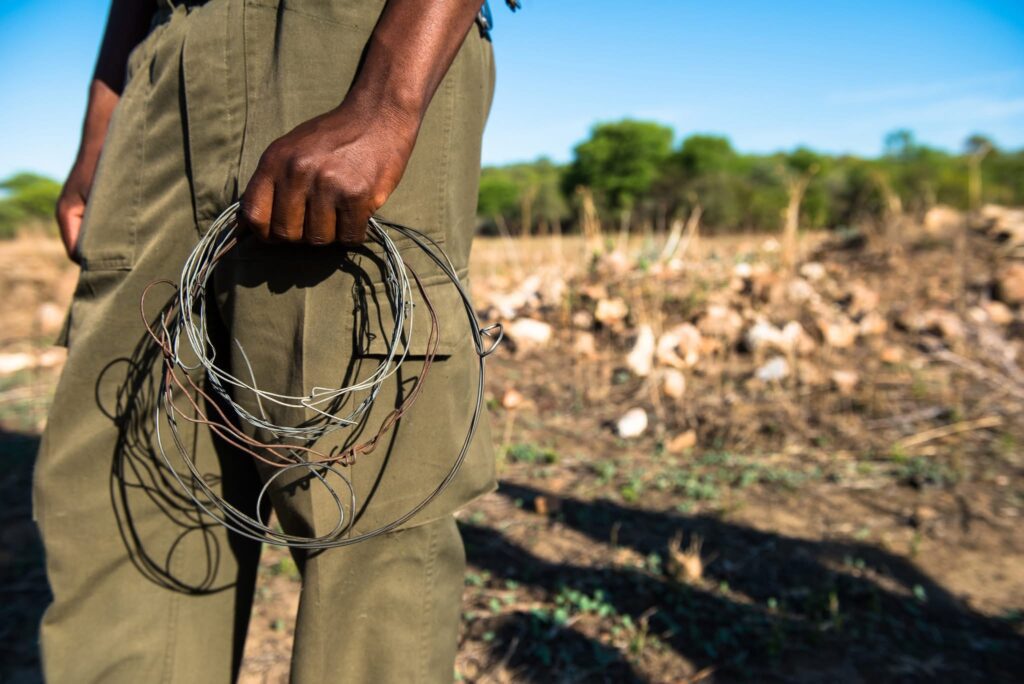
Figures from the Zimbabwe Parks and Wildlife Management Authority (ZimParks) show that 1 760 wire snares were recovered in Hwange National Park and the Victoria Falls area in 2024.
In the first ten months of 2025, a further 1 048 snares were removed, underscoring the persistence of illegal snaring in one of southern Africa’s most important conservation landscapes.
ZimParks says snaring is most common along park boundaries and buffer zones, particularly around Sinamatella, Hwange Main Camp, Matetsi and Robins Camp, as well as in nearby communities such as Dete and Mambanje.
“Our teams remain actively deployed on the ground, conducting regular patrols and monitoring exercises to combat snaring and other illegal activities,” ZimParks said in a written response. “This consistent field presence has been instrumental in safeguarding wildlife populations.”
However, conservation organisations operating in these areas say the rising number of recovered snares points to an escalating problem rather than success.
Painted Dog Conservation (PDC), which runs extensive anti-poaching patrols in and around Hwange, describes wire snares as one of the most indiscriminate threats to wildlife.
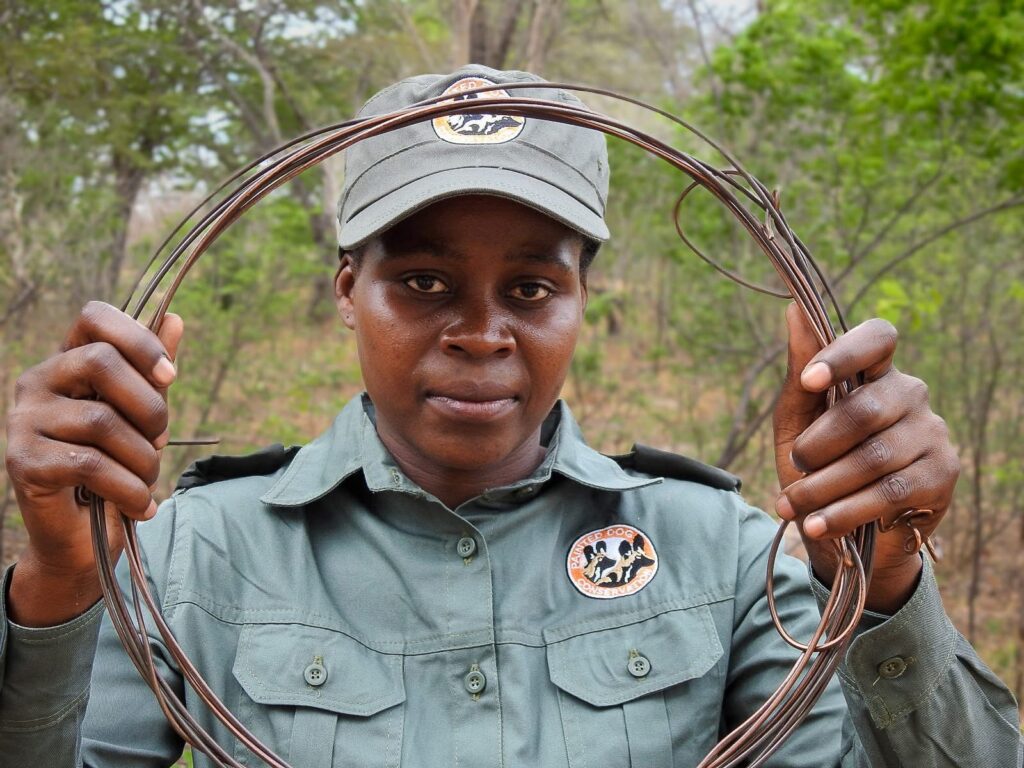
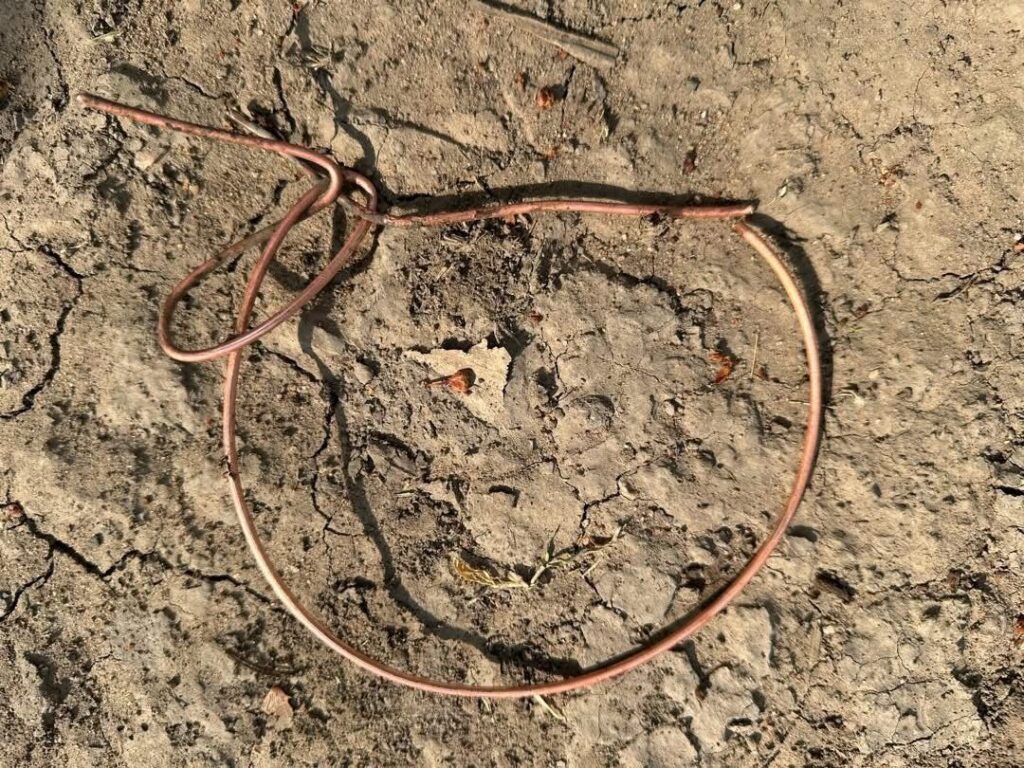
“Poachers are quite skilled and know what they are targeting,” said David Kuvaoga, operations director at PDC. “But the snare itself is not selective.”
He said animals of all sizes are caught.
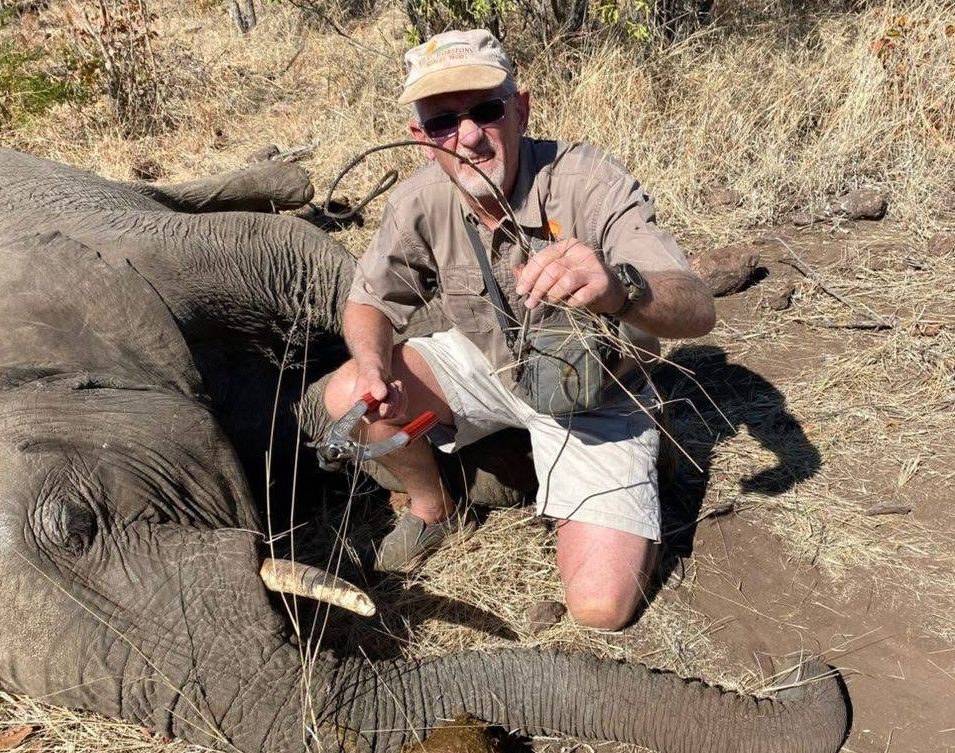
“We have seen elephants trapped by the trunk, lions, buffalo, giraffe and painted dogs,” Kuvaoga said. “Once an animal is caught, it can suffer for hours or days. Many die without ever being seen.”
PDC rangers removed more than 3 500 wire snares in 2024 across Hwange, the Gwayi Valley and surrounding forestry areas.
“For every snare we remove, there are animals that have already been injured or killed,” he added.
In the Victoria Falls area, the Victoria Falls Anti-Poaching Unit (VFAPU) has reported a steady increase in snaring incidents, particularly during the dry season when wildlife movements intensify.
VFAPU recorded 59 snares recovered in September 2025 and 54 in October, alongside confirmed wildlife losses including buffalo and hyena.
“Animals lost to poaching is always a bitter pill to swallow,” VFAPU said in its October operational report. “Sadly, we lost three animals that we know of. From every case, we learn more about how these poaching groups operate.”
VFAPU said the regular recovery of snares reflects active and ongoing poaching, prompting expanded patrols in collaboration with ZimParks and neighbouring ranger units.
At the Conservation Wildlife Fund (CWF) in Hwange, conservationists caution against viewing high snare recovery figures as progress.
“It is difficult to describe collecting snares as success,” said Debra Ogilvie-Roodt of CWF. “Success would be seeing fewer snares being set in the first place.”
She said snares remain lethal long after they are placed.
“A snare doesn’t stop killing once it’s set,” Ms Ogilvie-Roodt said. “Unless it is found and removed, it will continue to trap animals. We have seen lions with snares around their necks, giraffes caught and elephants injured. Many do not survive.”
ZimParks acknowledges the scale of the challenge and says it is intensifying enforcement and cooperation with conservation partners.
The authority works with organisations including Painted Dog Conservation, Conservation Wildlife Fund, Friends of Hwange, Dete Animal Rescue Trust, Victoria Falls Anti-Poaching Unit and Victoria Falls Wildlife Trust, many of which operate outside protected areas where most snares are set.
“These partners play a critical role in early detection and rapid response,” ZimParks said.
ZimParks says its anti-snaring strategy includes increased law-enforcement patrols, de-snaring operations, sniffer dogs, intelligence networks, technology such as drones and camera traps, and community engagement through programmes like CAMPFIRE.
The authority warns that snaring threatens not only biodiversity but also livelihoods.
“Snaring poses a serious ecological threat and undermines wildlife-based tourism, which is a major revenue earner for local communities and the country,” ZimParks said.
Support CITE’s fearless, independent journalism. Your donation helps us amplify community voices, fight misinformation, and hold power to account. Help keep the truth alive. Donate today
Leave a comment