

By Pamenus Tuso
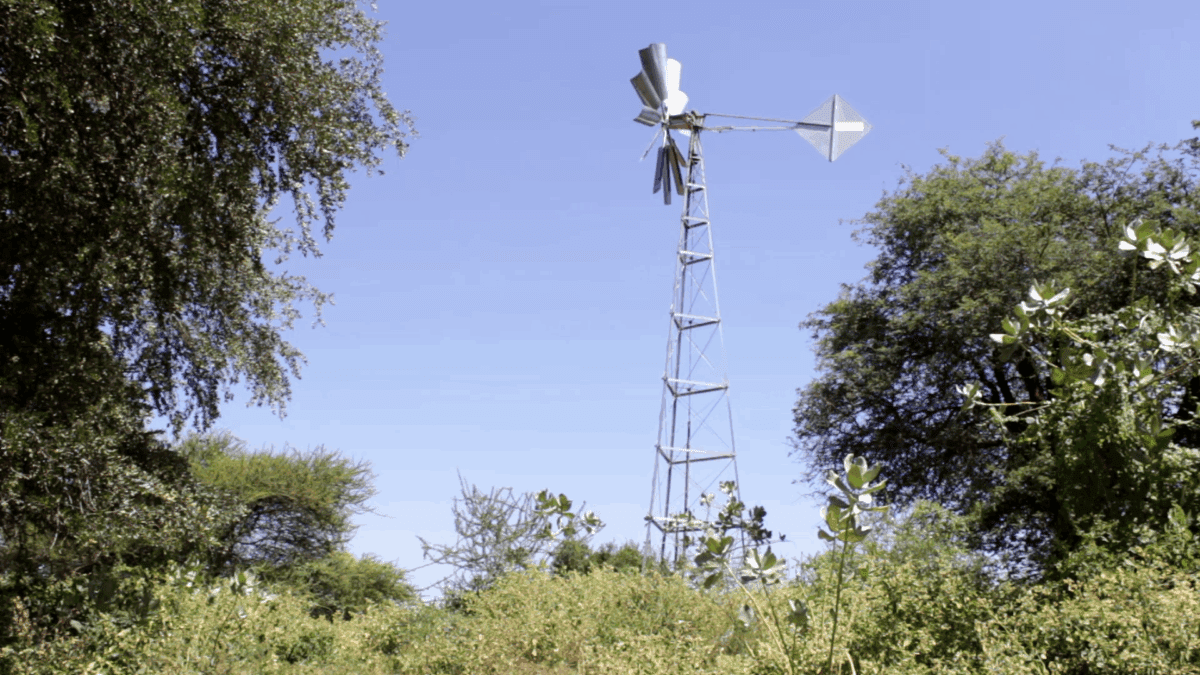
Dozens of rusting colonial-era windmills in the Ntabazinduna area in Matabeleland North stand as a silent reminder of a past when wind power helped provide water for households and livestock.
Now, experts say these forgotten structures could play a key role in tackling water shortages and climate change in drought-prone areas.
The windmills, most of which were installed during the colonial period to pump water from underground boreholes, have largely fallen into disrepair.
But there is growing interest in restoring them as well as integrating them with modern solar and wind technology to sustainably supply water and possibly even electricity.
Edington Mazambani, the Chief Executive Officer of the Zimbabwe Energy Regulatory Authority (ZERA), confirmed that wind energy is gaining attention in Zimbabwe as part of the country’s broader shift towards renewable energy sources.
“We used to see a lot of windmills in farms. If they can be resuscitated that will be an efficient way of using energy, as it will be drawing from god-given wind to pump water into reservoirs,” he said.
“This can be used for irrigation purposes and in cattle ranching,” said Mazambani in an interview with CITE.
Mazambani said there are already ongoing feasibility studies in various parts of the country, including a promising project in Mutorashanga with potential investment of up to US$100 million.
“We have been working closely with a private company and Spanish partners on that project and the results are very encouraging,” he revealed.
“There is also a study in Mhondoro being done by the Ministry of Energy with support from international partners. Even in areas like Somabhula in the Midlands province, there is potential for wind energy.”
He added that due to technological improvements, even areas with moderate wind speeds can now be viable for wind turbines.
“Previously, we needed wind speeds of more than 7 metres per second but now, with better technology, slower wind speeds can also generate electricity.”
Climate change expert Anglistone Sibanda, based in Bulawayo says the revival of windmills is not just a nostalgic idea, it is a smart, sustainable solution to perennial water challenges facing most parts of the Matabeleland region.
“As we drive towards sustainable development, we must build community resilience and adapt to climate change,” he said.
“Wind power is one of the global solutions, alongside solar, green hydrogen, and even nuclear.”
He believes Ntabazinduna and other areas in the Matabeleland region are ideal for wind energy development due to open spaces and consistent wind flow.
“There is a lot of wind flow in Ntabazinduna. We can revisit, review, improve, and build on the concept of windmills not not just for clean water access, but for power generation too,” said Sibanda.
He added that many people remember seeing windmills operating on commercial farms in the past and that reviving them would restore a sense of self-sufficiency to rural communities.
“The colonial-era farmers used them to pump water for cattle ranching. It was free energy. We need to go back to that and innovate further. Wind and solar are natural resources we can harness for our development.”
Local residents in Ntabazinduna say the windmills used to transform their daily lives.
“I remember when we did not have to walk long distances for water. We used to water our gardens and animals,” said 77-year-old Mavis Moyo, whose homestead still has the remains of a windmill.
“When it worked, the windmill would fill the tank by midday and we had enough water for all our household requirements.”
Her 45-year-old son, Ntuntuko, added: “We would know by the sound of the windmill turning that water was coming. When it broke down, life became hard again.”
With growing water stress and the effects of climate change becoming more severe, communities like Ntabazinduna may hold part of the solution in their own backyards.
What is needed now is investment, technical support and a vision to turn rusting relics into working systems, restoring not just windmills but hope.
Support CITE’s fearless, independent journalism. Your donation helps us amplify community voices, fight misinformation, and hold power to account. Help keep the truth alive. Donate today