

Nearly half of people worldwide who are blind due to cataracts do not have access to surgery, the World Health Organization (WHO) has said, warning that progress must accelerate to meet global targets on preventable blindness.
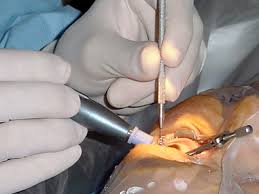
More than 94 million people globally are affected by cataracts, a clouding of the eye’s lens that causes blurred vision and can lead to blindness. Although cataract surgery is a straightforward 15-minute procedure and one of the most cost-effective medical treatments, access remains uneven.
A new study published in The Lancet Global Health found that almost one in two people who are blind due to cataracts remain untreated.
Over the past two decades, global cataract surgery coverage has increased by about 15%, despite rising demand driven by ageing populations. Current projections suggest coverage will increase by a further 8.4% this decade. However, WHO says that is insufficient to meet the World Health Assembly’s target of a 30% increase by 2030.
The study analysed data from 68 countries in 2023 and 2024 and found that the African region faces the widest gap in access. In Africa, three in four people who need cataract surgery remain untreated. Women are disproportionately affected across all regions, consistently experiencing lower access to care than men.
WHO said the disparities reflect long-standing barriers, including shortages and uneven distribution of trained eye-care professionals, high out-of-pocket costs, long waiting times and limited awareness of available services.
While ageing is the main risk factor for cataracts, other contributors, including prolonged UV-B exposure, tobacco use, corticosteroid use and diabetes, can accelerate their development.
WHO said countries could speed up progress by integrating vision screening into primary healthcare, investing in surgical infrastructure and expanding and better distributing the eye-care workforce, particularly in rural and underserved areas.
“Targeted efforts to prioritise women and marginalised communities will be critical to reducing persistent inequities and ensuring that gains in access benefit everyone,” the agency said.
In Zimbabwe, the burden is significant. According to WHO and the Council for the Blind Zimbabwe, about 62,500 people in the country are blind due to cataracts. Overall, around 125,000 Zimbabweans, about 1% of the population, are estimated to be living with blindness.
Some initiatives are under way. Old Mutual Zimbabwe, working with the Eye Institute, has established free eye clinics nationwide. The programme aims to carry out more than 300 cataract surgeries in 2025, following a 2024 pilot in Manicaland that restored sight to more than 100 elderly people and provided screenings to hundreds more.
WHO has urged governments, civil society and development partners to address gender and geographic inequities and prioritise underserved populations.
“With sustained commitment, cataract surgery can move from being out of reach for millions to a universally accessible intervention,” the agency said, “helping to end avoidable blindness worldwide.”