

The government has been challenged to explain how millions of dollars collected through a tax on sugar-sweetened beverages are being used, amid concerns that cancer treatment services remain in a critical state.
The sugar tax, introduced on 1 January 2024, was designed to discourage excessive sugar consumption and generate revenue for the treatment of lifestyle-related diseases such as cancer.
The levy was initially set at US$0.02 per gram but was later reduced to US$0.001 per gram in February 2024 after objections from industry. By late last year, authorities had reported collecting more than US$30 million from the measure.
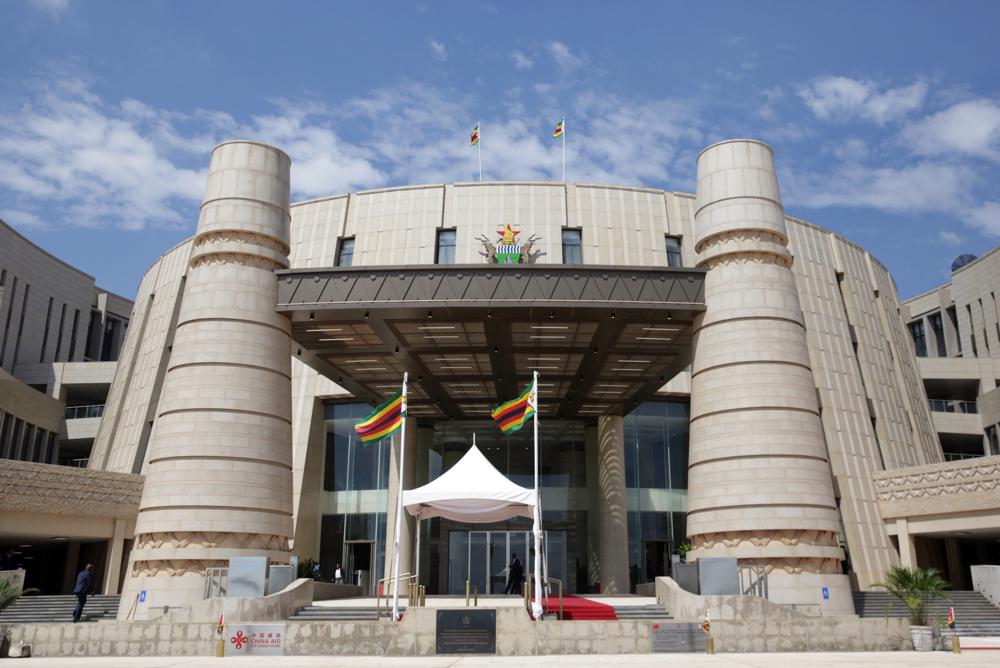
During a recent question-and-answer session in the National Assembly, Bulawayo Central MP Surrender Kapoikilu asked the Ministry of Finance and Economic Development to clarify how the funds were being deployed.
“What are the government’s policies on the use of revenue from the sugar tax? What is it supposed to be used for?” he asked.
Responding, Deputy Finance Minister Kudakwashe Mnangagwa said the policy had not changed since the levy was announced in the 2024 national budget.
“The idea of these sin taxes was to ring-fence them for lifestyle diseases such as cancer, among others,” he said. “We are guided by the Minister of Health on the equipment that they want to purchase. Some of these proceeds have already gone towards such. So the policy still stands.”
But Kapoikilu said conditions on the ground did not reflect any meaningful improvements in cancer care at public hospitals.
“The ministry says the money is supposed to be used for cancer therapeutic services and buying cancer machines,” he said. “But my worry is how come our radiotherapy centres in our main hospitals are still in the state they are in.”
He cited Mpilo Central Hospital in Bulawayo, where, he said, the radiotherapy section had not treated a patient since 2022.
“We have been collecting sugar tax from February 2024. I’m very concerned about what is happening to the money, because our institutions are in a poor state,” Kapoikilu added.
Chipinge MP Clifford Hlatshwayo also called for greater transparency, arguing that taxpayers deserved clear information on how the revenue was being used.
“Sugar tax is being contributed by every citizen. It is important for people to know what is happening to the money,” he said. “People must get treatment.”
Zimbabwe has long struggled with shortages of cancer treatment equipment, with patients often facing long waiting times or being forced to seek care in private facilities or outside the country, at high cost.
Support CITE’s fearless, independent journalism. Your donation helps us amplify community voices, fight misinformation, and hold power to account. Help keep the truth alive. Donate today
Leave a comment