

Stakeholders have warned that alleged state media bias, pressure on journalists and high nomination fees are undermining the fairness of Zimbabwe’s elections.
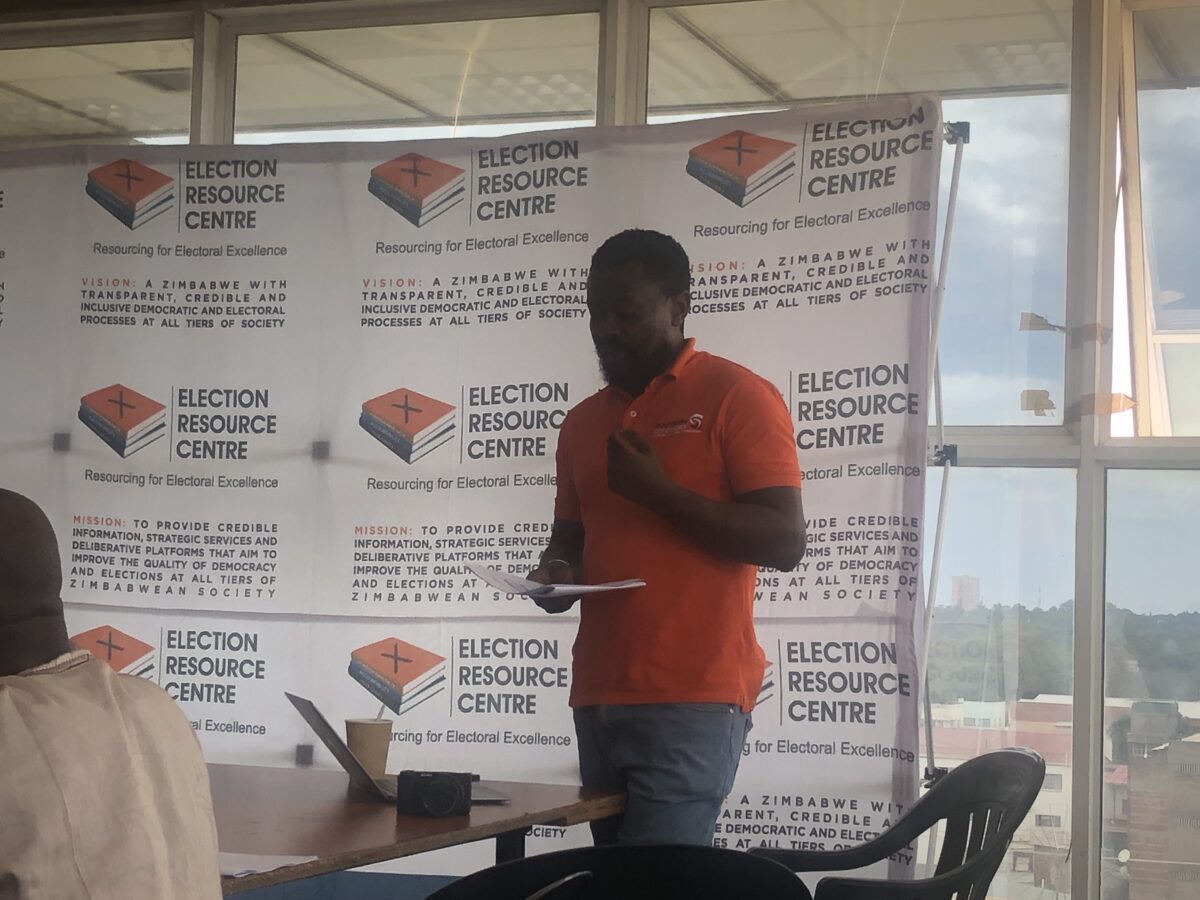
The issues were highlighted during the 2025 Annual Election Assessment Report meeting hosted by the Bulawayo Progressive Residents Association in partnership with the Election Resource Centre (ERC).
Takunda Tsunga, ERC’s Programmes Manager, said monitoring findings showed continued imbalance in state media coverage.
“State owned broadcasters continue to show structural bias in favour of the ruling party, affecting compliance with the law,” said Tsunga.
He said public broadcasters, which are funded by the state and legally required to provide balanced coverage, often gave the ruling party more favourable prominence and tone, while opposition parties struggled for comparable exposure.
Tsunga also described the operating environment for journalists as restrictive.
“Journalists are able to report on election processes, but the operating environment remains restrictive, particularly for investigative and critical reporting. Instances of harassment, intimidation, selective enforcement of laws, and arbitrary arrests contribute to self censorship,” he said.
“Such conditions create a culture of self-censorship, limiting the public’s access to diverse and critical information during elections.”
Nomination fees set by the Zimbabwe Electoral Commission (ZEC) were another concern.
“The fee for candidates is US$1000,” said Tsunga, adding that residents reported the charge was “high and exclusive” and risked excluding those without financial means.
He said the amount could deter young people, women and independent candidates from contesting.
Participants at the meeting called for transparency in how the fees were determined and warned that rising costs, combined with media imbalance and pressure on journalists, were eroding trust in elections.
Tsunga said the 2025 assessment was based on short-term observer deployments, call centre reports, stakeholder engagements, media monitoring and civil society findings.
Leave a comment