

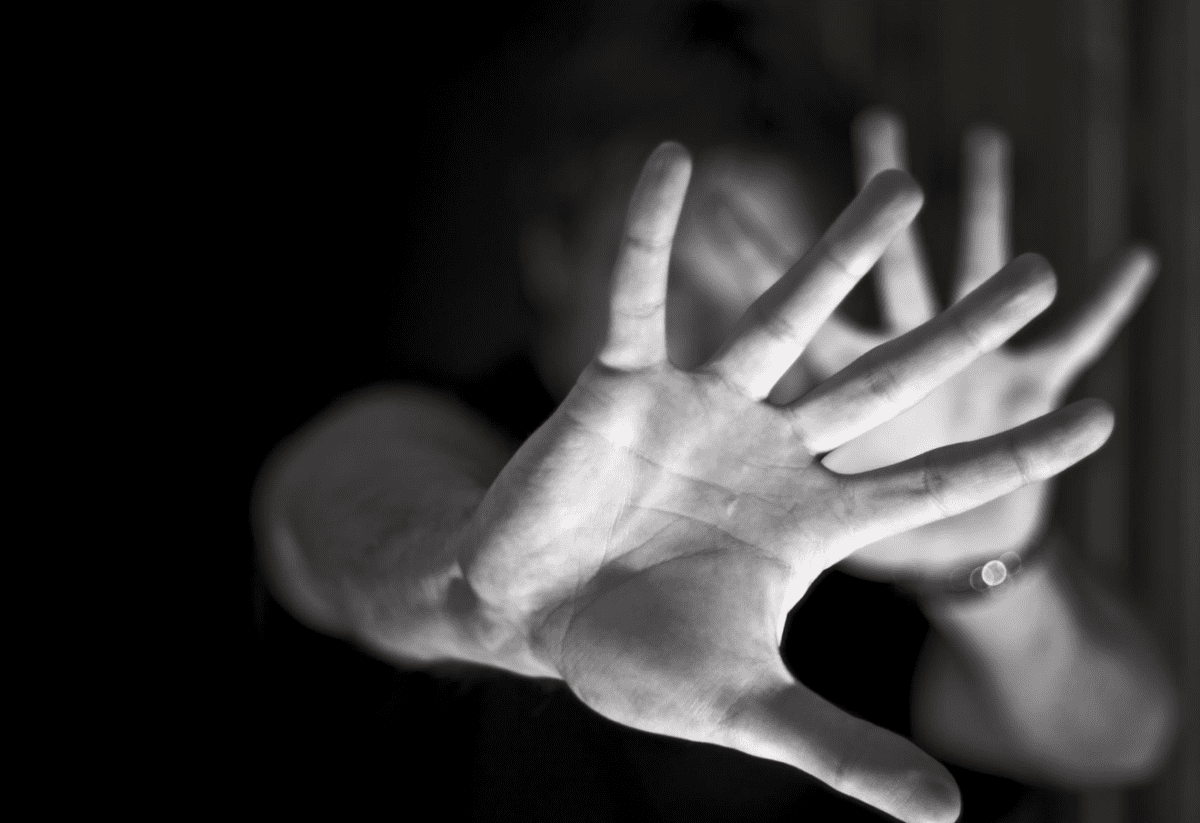
Violence against women remains at crisis levels worldwide, with almost one in three women having experienced physical or sexual violence, a figure that has not changed in two decades, according to a new World Health Organisation (WHO) report.
The Preventing Violence Against Women 2025 report estimates that 840 million women have faced violence in their lifetime, while 316 million experienced violence from an intimate partner in the past year alone.
WHO says the scale of the problem continues to undermine women’s health, dignity and safety, yet prevention programmes receive just 0.2% of global aid.
The report describes violence against women as a violation of human rights rooted in gender inequality, and warns that it remains a major public health challenge and a barrier to sustainable development.
“Thirty per cent of women worldwide have experienced physical and/or sexual violence by an intimate partner, or sexual violence by a non-partner,” the report states. It adds that 25% of ever-partnered women aged 15 and older have faced intimate partner violence in their lifetime.
Young women, adolescent girls, women from minority groups, women living with HIV, trans women and women with disabilities face even higher risks of violence. Nearly 30% of all female homicide victims are killed by an intimate partner, the report notes.
WHO says the impact of violence extends far beyond physical harm, contributing to long-term mental health issues and imposing economic and social burdens on families and communities. The report identifies several factors that increase vulnerability, including low education levels, exposure to violence in childhood, unequal power relations and social norms that tolerate abuse.
It also highlights factors linked to perpetration, such as harmful alcohol use, child maltreatment and attitudes supportive of gender inequality.
Despite the prevalence of violence, between 55% and 95% of survivors do not report the abuse or seek support services, according to WHO. The organisation says this silence reflects systemic barriers, stigma and the lack of accessible, survivor-centred services.
The report stresses that progress can be measured both in the short and long term. Reductions in prevalence mark long-term change, while short- to medium-term indicators include improvements in gender-equitable attitudes, women’s autonomy, power balance in relationships and access to education.
“It is important to specify a theory of change detailing how programmes will improve these interim indicators and, in turn, reduce the prevalence of violence,” the report says.
WHO also warns that collecting reliable data becomes significantly more challenging in humanitarian crises due to restricted access, rapidly changing conditions and mobile populations, calling for flexibility in monitoring methods.
The organisation is urging governments to strengthen prevention programmes, invest in data collection and meet their reporting obligations under global Sustainable Development Goal targets aimed at eliminating violence against women and girls.
Support CITE’s fearless, independent journalism. Your donation helps us amplify community voices, fight misinformation, and hold power to account. Help keep the truth alive. Donate today
Leave a comment