

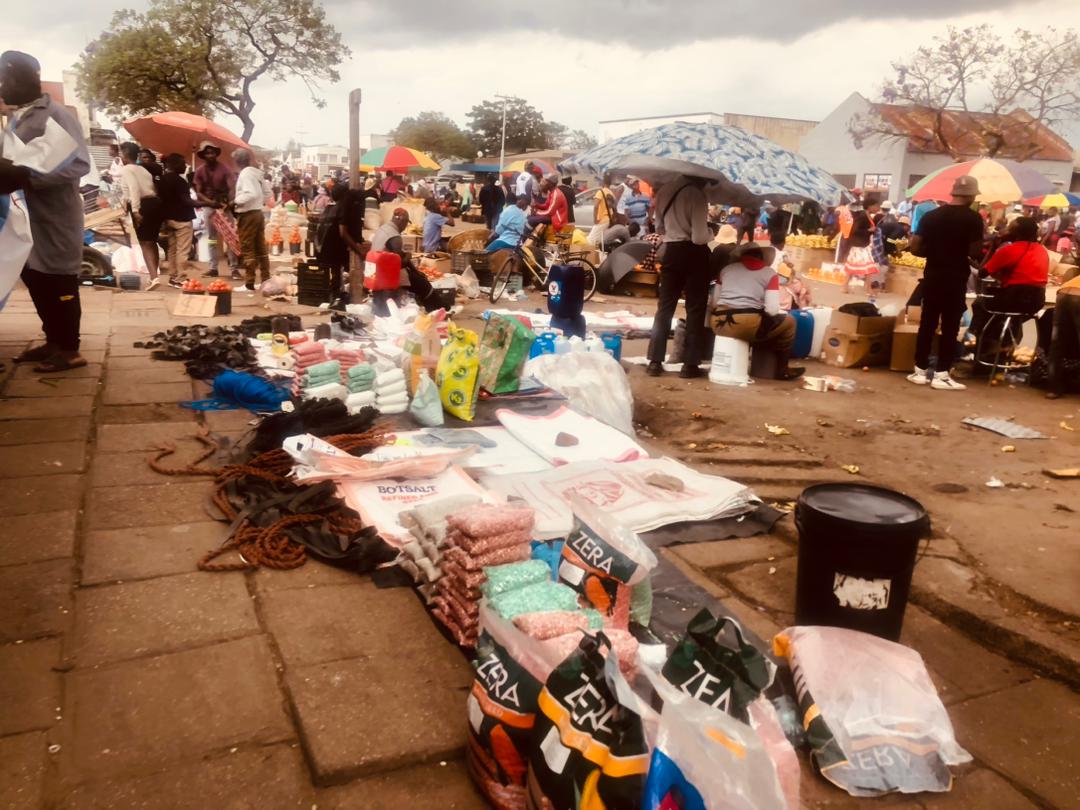
Illegal vendors operating in Bulawayo’s Central Business District (CBD) have defended their presence, saying they are being unfairly blamed for the city’s growing disorder while struggling to survive in a difficult economy.
Earlier this month, Bulawayo councillors raised concerns over escalating illegal vending activities in the CBD, particularly along 5th and 6th avenues. Officials warned that the situation was contributing to uncleanliness, poor urban planning, and increased lawlessness in the city.
However, vendors say the problem is more complex than it is being presented. They argue that a lack of jobs, poor infrastructure, and limited trading space are forcing them onto the streets.
Bhekinkosi Ndlovu, who sells goods along 5th Avenue, said vending is the only option left for many people.
“We are not here because we enjoy being called illegal or because we want to make the city dirty. We are here because there are no jobs at all, and we have families depending on us every single day. Some of us have tried looking for work for years without success, and vending is the only way we can earn money to survive. Council keeps talking about removing us, but they are not giving us proper places to go where we can actually make sales. Even if they chase us away today, we will still come back tomorrow because we have no other choice,” he said.
Nqobizitha Sibanda said vendors are also affected by the lack of basic services in the CBD.
“It is very difficult for us to keep the place clean when there are very few bins, and the toilets that are available are pay toilets which we cannot afford to use all the time. People end up relieving themselves in undesignated areas, not because they want to, but because there are no other options. Council is blaming vendors for everything, but they are not providing the infrastructure that supports cleanliness. If there were enough bins, free or affordable toilets, and proper market spaces, the situation would be very different,” Sibanda said.
Another vendor, Tawanda Chavingira, said the rise in illegal vending is directly linked to economic hardships.
“After COVID-19, things became worse for many of us because jobs disappeared and companies closed. Even those with qualifications are now vending because there are no opportunities. We are not criminals; we are just trying to survive and take care of our families. Instead of pushing us out, the council should engage us and create organised markets with proper facilities where we can work legally and contribute to the city’s economy,” he said.
Michael Ndiweni, Executive Director of the Bulawayo Vendors and Traders Organisation, said the situation along 5th and 6th avenues reflects deeper structural and behavioural challenges.
“The challenge is the unregulated traders in the controversial 5th and 6th Avenue trading space. People do as they please, unfortunately, because the council has limited access to that space. There is litter that is generated, and those people are not paying anything to the council, yet they generate waste that the council has to collect. That is the contradiction, because the council has to find resources to collect waste while these traders are not contributing anything,” Ndiweni said.
He added that unless the council develops a system that is fair to both authorities and vendors, the problem of litter will persist.
“It is also true that people sleep there, and where they sleep the toilets are not nearby, so they end up relieving themselves in undesignated areas. What the council is saying is true, but this is a situation that requires all of us to put our hands together and seriously deal with litter in our city,” he said.
Ndiweni also pointed to public behaviour as part of the problem.
“Beyond access to space, the issue of litter is also an attitude problem. Every person has a responsibility to keep the city clean. I have seen people throwing litter from moving cars, others dropping litter bags across the road, and some dumping waste in front of their offices. This is a behaviour issue, which needs all of us to be responsible citizens and ensure that we reduce the amount of waste we generate and how we dispose of it,” he said.
Support CITE’s fearless, independent journalism. Your donation helps us amplify community voices, fight misinformation, and hold power to account. Help keep the truth alive. Donate today