


Calls to develop the King Mzilikazi shrine in Mhlahlandlela intensified as thousands attended this year’s commemorations over the weekend, with traditional leaders praising the event’s unifying spirit but urging urgent improvements to infrastructure, organisation and government support.
Chiefs who partnered with the Mthwakazi kaMzilikazi Cultural Association (MMCA), the organising committee, said commemorations at Mhlahlandlela were fast becoming a unifying cultural platform for communities, echoing King Mzilikazi’s legacy as a nation builder.
Traditional leaders, however, cautioned that without proper facilities and state recognition, the shrine, just outside Bulawayo, risked ‘being left behind.’
This year’s commemorations ran under the theme “Siqoqa Isizwe Ngamasiko – We Strengthen the Nation Through Culture,” drawing participants from across Zimbabwe and neighbouring South Africa, Botswana and Zambia.
On this topic
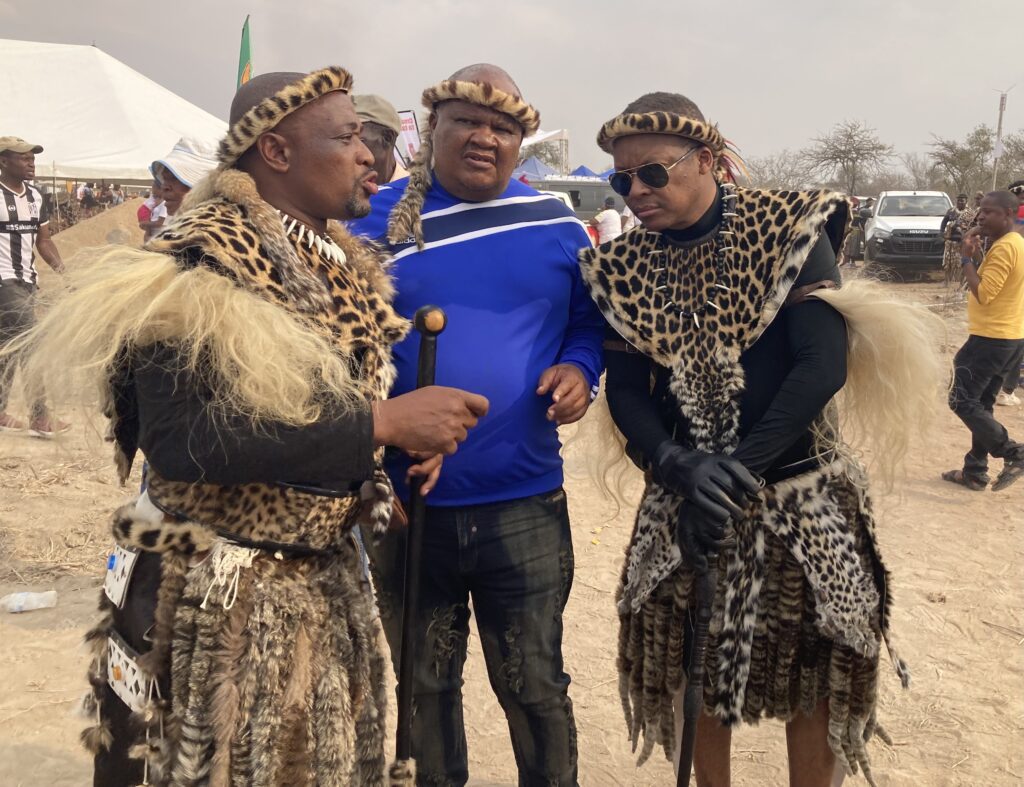
For the first time, the programme stretched over two days, with the first day dedicated to schoolchildren from Matabeleland North and South, who showcased cultural heritage and reflected on the origins of the Ndebele people.
The commemorations also featured performances from amatshitshi (virgins), ibutho regiments, poets and praise singers, all celebrating Ndebele identity.
The business community rallied behind the event, with visible sponsorship banners and two mobile clinics on-site providing health services.
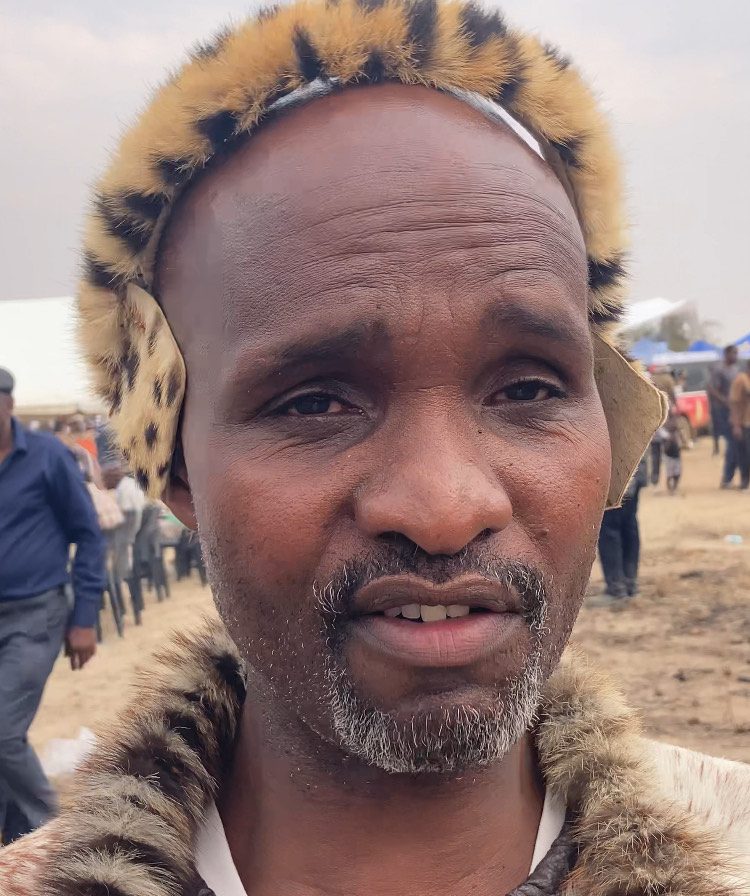
Chief Mayenga Fuyane of Maphisa said the growth in numbers and sponsorship was a positive sign the commemorations were gaining traction.
“Today’s event is better than last year’s. First, people came in their numbers, which amazed us, this attendance is very good,” he said in an interview with CITE.
“Secondly, we saw many banners from sponsors, showing that the number of people supporting us is increasing. The organising committee, MMCA, together with the chiefs, also gave people stands to sell food.”
He also applauded the inclusion of amatshitshi from across Zimbabwe as a sign of unity.
“Some amatshitshi came from schools under my jurisdiction. Chief Tshovani from Chiredzi also brought amatshitshi from his area. This was a good show of unity, demonstrating how Mzilikazi was a unifier. Today we see different people coming together,” said the chief.
However, Chief Fuyane criticised the lack of proper parking and organisation of seating arrangements.
“There was no parking space and marshals to guide the cars. Secondly, seating arrangements should have reserved spaces for chiefs, visitors and businesses supporting the event. At some point, some chiefs ended up sitting on the ground. What had been organised was disrupted,” he said.
“On other issues we will resolve internally, not just as MMCA and the chiefs, but as a community.”
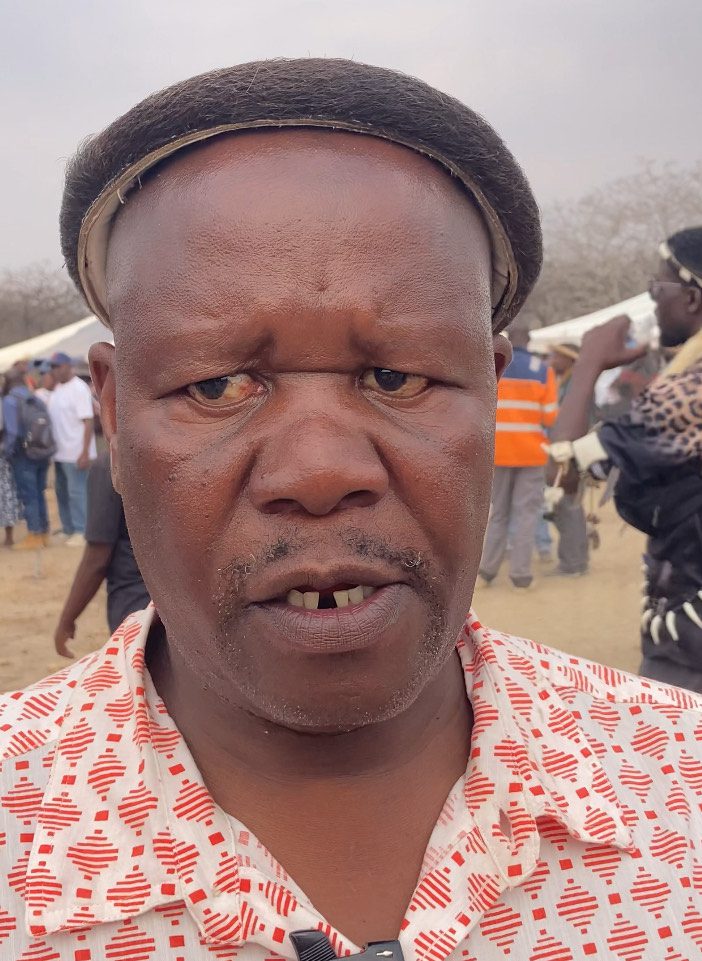
Chief Mathema of Enqameni in Gwanda North echoed praise for the growing numbers but lamented poor scheduling in the day’s programme.
“Many people came as we see from the numbers here. This was made possible by the partnership between the chiefs and MMCA,” he said.
“We included young people with fresh ideas because the older people were now tired, but bringing in new people can revive ideas and uplift the event.”
Chief Mathema criticised the timing of the chiefs’ programme as disrespectful, noting they were called to the stage around 4pm.
“Chiefs were supposed to have been introduced earlier in the day. What point would it serve for the guest of honour to address people when many were already drunk? The idea was for people to engage while still alert so that they could carry the message of the day forward. If drunk, that message is lost or diluted,” he said.

Prince McLeod Isolengwe Tshawe, who represents the Xhosa community in Zimbabwe, described the commemorations as inspiring but lamented the shrine’s poor state.
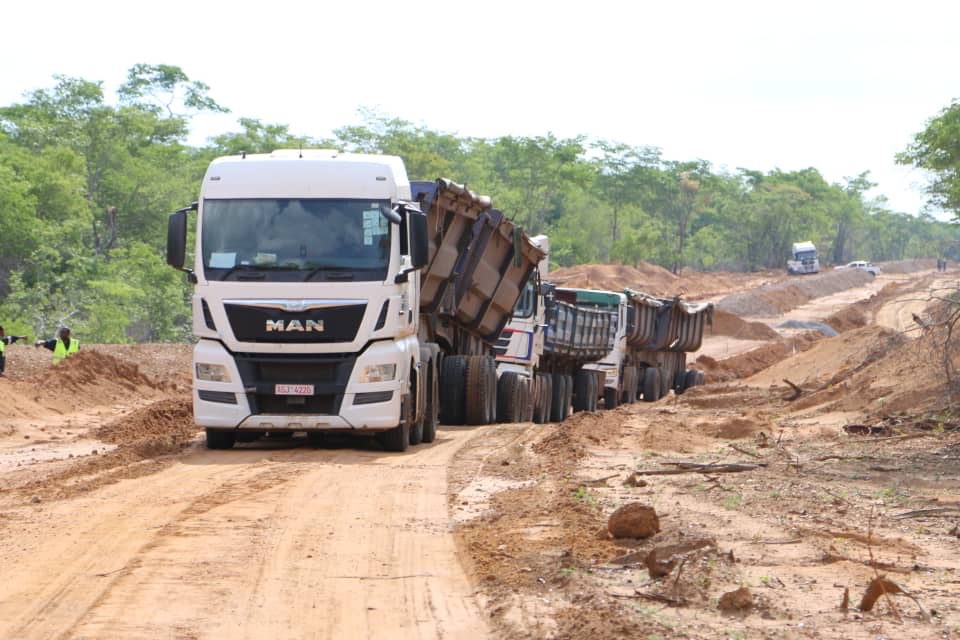
“If you look at the access roads to this place, they are not good at all. Parking must also be improved. What is lacking here is real development. If you compare this road to Matopos, where Rhodes is buried, that one is tarred. People may be discouraged by the poor road access, though I must say, the event has improved this time,” he said.
“This place too should be a tourist attraction, and in my view, it could even surpass the Rhodes shrine. Mzilikazi is recognised across Africa, so this shrine should be in much better condition,” he said.
Prince Tshawe further called for official state recognition of Mhlahlandlela’s cultural significance.
“In fact, the president himself, should either participate in an event like this or at least delegate the minister of culture and other ministers. The government must take this place seriously and improve it, because it has been left idle for far too long,” he said.
“Since independence up to now, this shrine has been neglected. We could have chalets here, with business people investing to improve the site. Matopos is close by, but without Mzilikazi, it would not hold the same significance as it does today.”
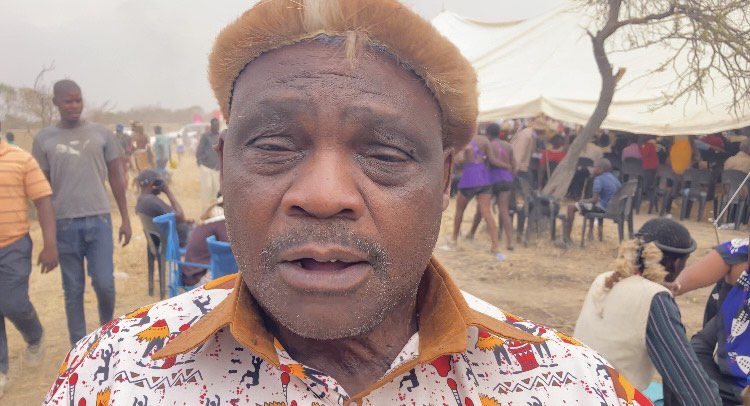
Chief Mafala Matshazi of Zvishavane said the commemorations were about more than performances and speeches and encouraged young people to learn from King Mzilikazi and carry on his legacy.
“Two hundred years ago, King Mzilikazi had a vision to create a lasting nation, Mthwakazi and by coming here today we are fulfilling that vision. This is a sign that our nation is growing,” he said.
From KwaZulu-Natal, South Africa, Thokozani Fana Khumalo, Chairperson of AmaNtungwa kaMbulazi International, said the commemorations were steadily gaining international prominence.
“I have been observing the growth of this event, and the attendance has been increasing significantly. Sponsorship is also growing,” he said.
“The event is becoming more popular, not only in Bulawayo but across Africa as well. Our wish is that one day we celebrate this occasion all over the world, simultaneously.”
Jabulani Zakhela Khumalo, spokesperson for the organisation also from South Africa highlighted the logistical efforts behind their participation in the commemorations.
“Our role is to make people aware of King Mzilikazi commemorations, inform the organisation’s branches and provide transportation for attendance. In South Africa, different organisers arranged transport, paying about R1 500 to travel from South Africa to here,” he said.
“We see growth in both attendance and sponsorship,” Khumalo said, adding that the spiritual dimension of the commemorations was at the heart of the event.
“It is a profound experience, from the way people approach the monument to the rituals performed and the messages shared, which include prayer, submission and reporting on the situation of people’s lives, both the good and the bad and prayers for prosperity. It was deeply moving.”
Khumalo said the “peace, harmony and celebration” seen at King Mzilikazi commemorations are unparalleled.
“We hope the event can continue to grow, drawing in people from many places overseas, celebrated in the same way, consistently,” he concurred.
Several traditional leaders were in attendance including Chiefs Siphoso and Gampu from Tsholotsho, Chief Menyezwa from Lupane, Senator Chief Nyangazonke, Chief Bidi, Chief Dakamela from Nkayi, alongside Members of Parliament from Bulawayo, Hwange and Nkayi including politicians.
Support CITE’s fearless, independent journalism. Your donation helps us amplify community voices, fight misinformation, and hold power to account. Help keep the truth alive. Donate today



Leave a Reply