

By Ndumiso Tshuma
Ensuring the freshness of eggs is essential for both food safety and cooking success.
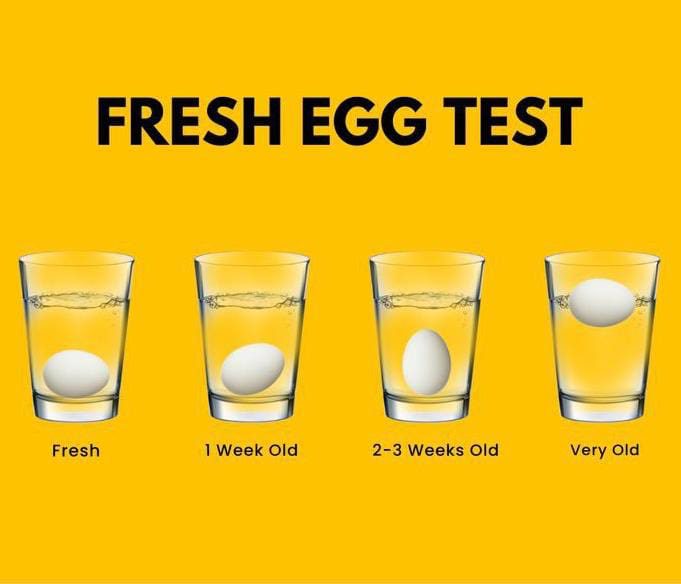
Agriculture experts have recommended a simple method known as the floating test to help home cooks assess the quality of their eggs.
According to Dr Enoch Machingauta, a poultry specialist at Econutrivet, the floating test is an easy and effective way to determine the age of an egg.
“You should always check your eggs before use to ensure they’re fresh and safe,” he said.
To carry out the test, fill a bowl or glass with water deep enough to submerge an egg.
Then place the egg into the water and observe its position. The way it behaves can tell you a lot about its freshness.
- Fresh eggs: If the egg sinks to the bottom and lies flat on its side, it is fresh and safe to eat.
- About one week old: If it sinks but stands upright on the bottom, it’s roughly a week old. These eggs are still good to use.
- Two to three weeks old: If the egg floats slightly at a 45-degree angle, it may still be usable but should be checked for any off smells or unusual appearance when cracked open.
- Spoiled eggs: If the egg floats to the top, it is no longer fresh and should be discarded. Floating suggests that air has seeped in, indicating spoilage.
Dr Machingauta stressed that this simple test can help reduce the risk of foodborne illness.
“By performing this simple test, home cooks can quickly ascertain the freshness of their eggs, reducing the risk of foodborne illness,” he said.
He advised consumers to use the floating test regularly, especially when using eggs that have been stored for several days or beyond their best-before date.