

By Costa Nkomo
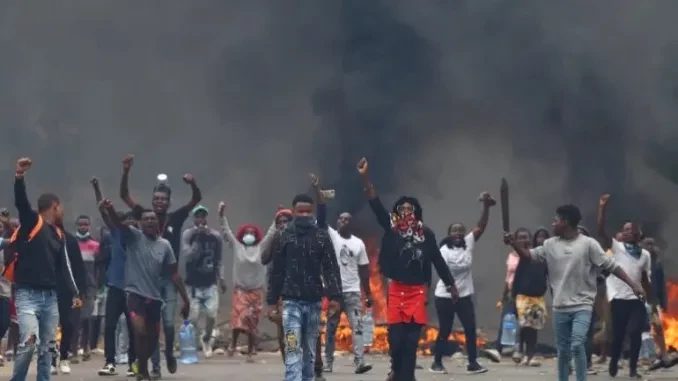
The SADC Council of Ministers’ extraordinary meeting, held on Monday ahead of Wednesday’s Heads of State Summit, avoided addressing the escalating post-election violence in Mozambique, where scores have reportedly been killed by security forces.
Instead, the Council focused its attention on the persistent security challenges in the Democratic Republic of Congo (DRC).
SADC Executive Secretary Elias Magosi opened the meeting by focusing on the situation in the DRC. He outlined the progress of the SADC Mission in the DRC (SAMIDRC), deployed in December 2023, and the regional efforts to stabilise the conflict-ridden country.
“The security situation in SAMIDRC’s area of operation remains relatively calm due to political and diplomatic initiatives, including a two-week humanitarian truce in July and a ceasefire agreement between Rwanda and the DRC on August 4. However, the situation in eastern DRC remains a regional concern requiring constant monitoring,” Magosi said.
He also referenced UN Security Council Resolution 2746, which authorised the United Nations Organization Stabilization Mission in the Democratic Republic of the Congo (MONUSCO’s) support for SAMIDRC and highlighted his discussions with UN officials in September regarding peace and security in the region.
Similarly, SADC Council Chairperson and Zimbabwean Foreign Affairs Minister, Professor Amon Murwira, avoided any mention of Mozambique during his address. Instead, he focused exclusively on the DRC, citing the Field Assessment Mission Report as the basis for recommendations on SAMIDRC’s future mandate.
“We are here to consider the security situation in eastern DRC. Our meeting will provide informed recommendations to our Principals regarding the way forward,” Murwira said. He expressed concern over the humanitarian crisis in the DRC and pledged decisive action to achieve lasting peace.
The Council’s silence on Mozambique contrasts sharply with the swift congratulations extended by Zimbabwean President Emmerson Mnangagwa and his ZANU-PF party to Mozambique’s ruling Frelimo party and its presidential candidate, Daniel Chapo, following the October elections—well before official results were announced.
Mnangagwa’s actions, coupled with accusations of interference in Mozambique’s election, underscore the apparent disregard for the post-election violence.
Reports indicate that over 50 people have been killed while protests continue.
While Information Minister Jenfan Muswere, a fortnight ago, initially included Mozambique’s situation on the summit’s agenda, he downplayed its severity.