

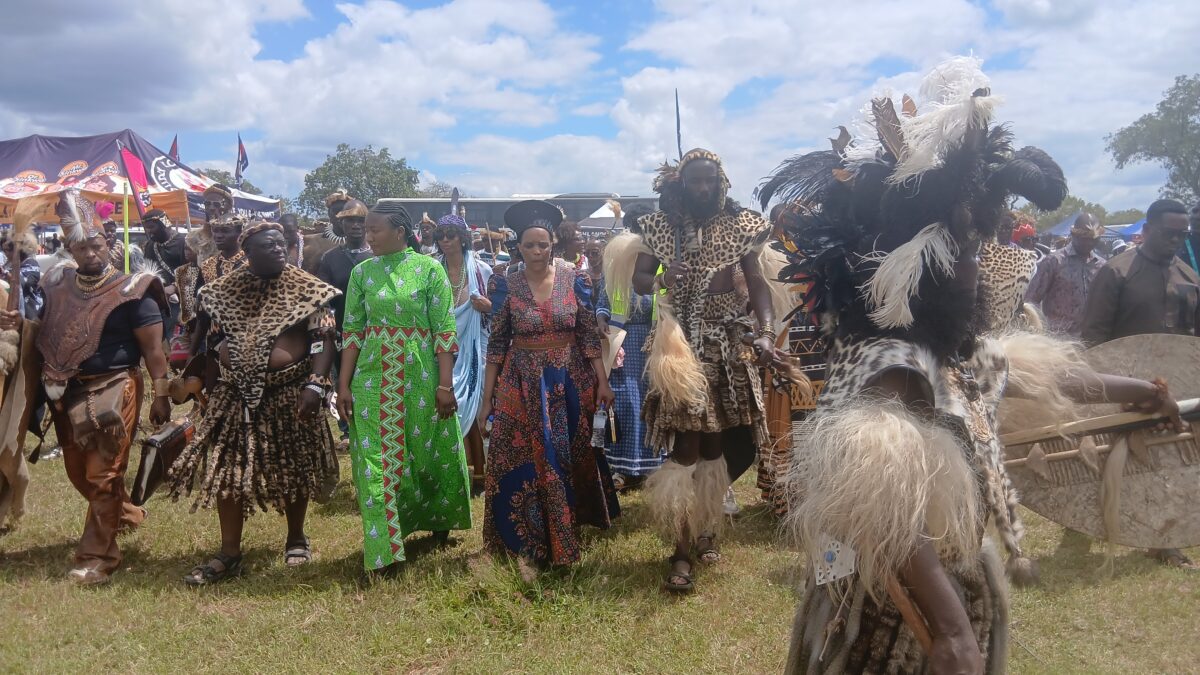
Thousands of people gathered in Nkayi, Matabeleland North, on Saturday as the annual Imiklomelo kaDakamela 2026 cultural festival transformed the rural district into a vibrant showcase of tradition, heritage and royal pageantry.
The event, hosted by Chief Dakamela, drew dignitaries and royal representatives from South Africa, Tanzania, Uganda and Tanzania alongside cultural groups and local communities, in what organisers described as a celebration of unity and identity.
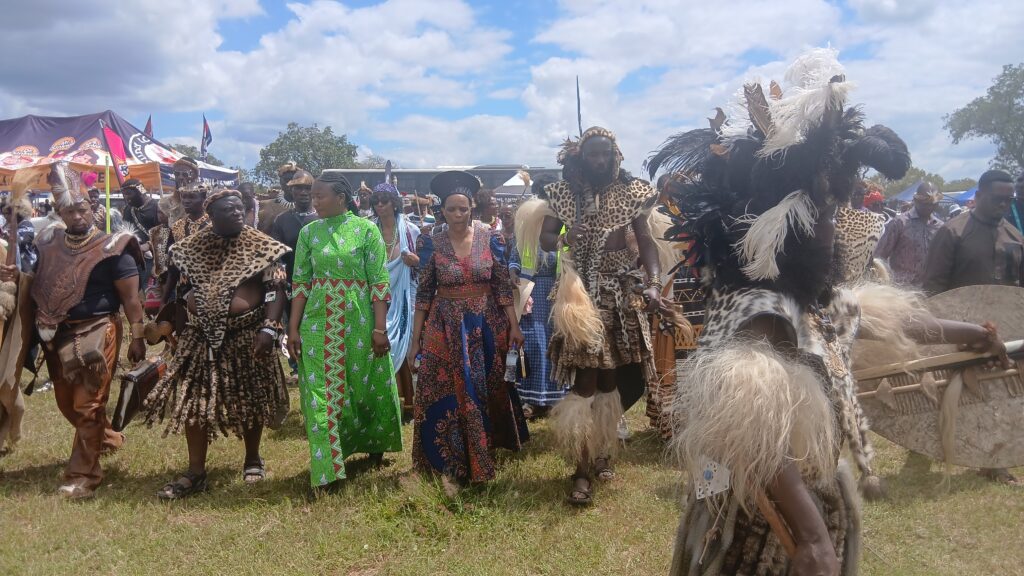
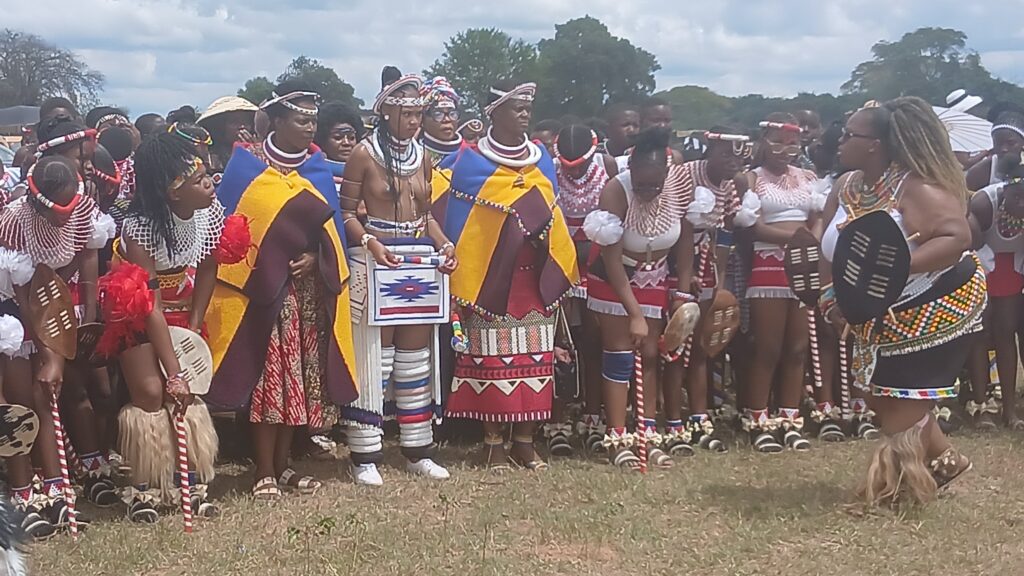
Proceedings began with a procession led by amatshitshi, young girls dressed in traditional attire, who guided the way as Chief Dakamela arrived accompanied by amabutho, setting a ceremonial tone marked by song, dance and ululation.
Among the high-profile guests was a delegation from the Zulu nation in South Africa, representing King Misuzulu kaZwelithini. The group was led by Prince Thulani Zulu and included Prince Phumlani of the Nyonini royal house, Prince Nkinobho Zulu and Prince Jabulani from the eZulwini royal house.
Also in attendance were Princess Andile naBingweni Mabena and Prince Ayanda Manala Sibindi from the Manala royal house in Mpumalanga, South Africa, under King Enock Makhosonke II Mabhena. They were accompanied by Princess Agnes Nomngoma Mabhena of the Manala-Mbongo royal house.
Other dignitaries included Prince Kwazikwenkosi Zulu, Prince Wandile Ngobese, Princess Lungile MaNcube, Inkosi Yase MaNcubeni Nkosi Molefe and Nkosi Mbokane.
The government was represented by Deputy Ministers Emily Jesaya (Deputy Minister of Sports, Arts and Culture) and Albert Mavhunga (Deputy Minister of Local Government).
The presence of regional royalty underscored the cross-border cultural ties linking communities in Zimbabwe and South Africa, with speakers emphasising the importance of preserving shared traditions.
For some visitors, the festival was a first-time experience.
The Mabhayisa Twins, who attended the event for the first time, said they had long heard about the celebrations and wanted to witness them in person.
“We are here for the first time. We have heard many people talk about it, so now we want to see it for ourselves. We want to see the performances and learn more about our old ways. It is something new and positive for us,” they said.
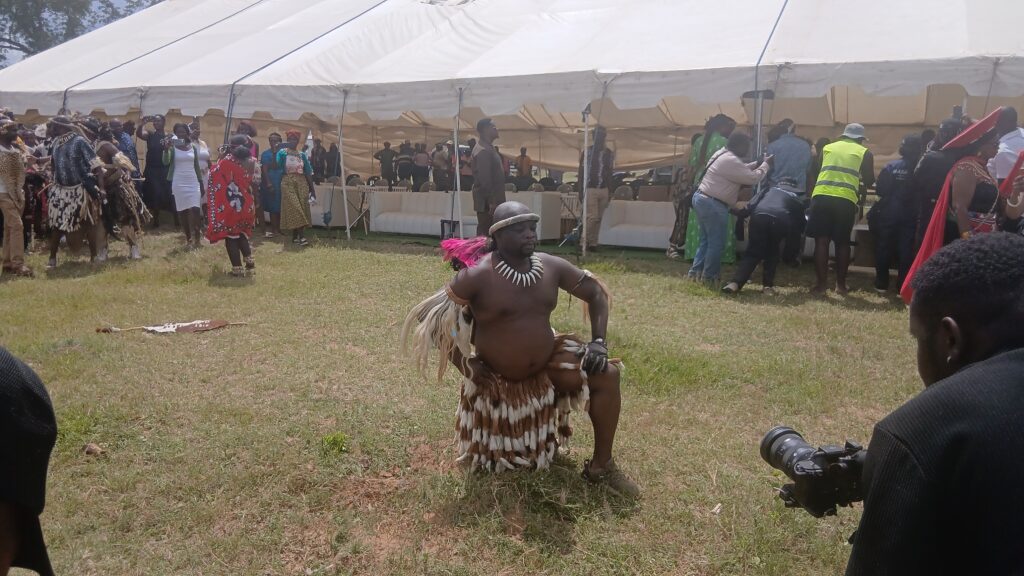
Throughout the day, traditional dances, praise poetry and exhibitions of cultural artefacts animated the festival grounds, while elders and community leaders spoke about the need to safeguard heritage in a rapidly changing world.
Support CITE’s fearless, independent journalism. Your donation helps us amplify community voices, fight misinformation, and hold power to account. Help keep the truth alive. Donate today