

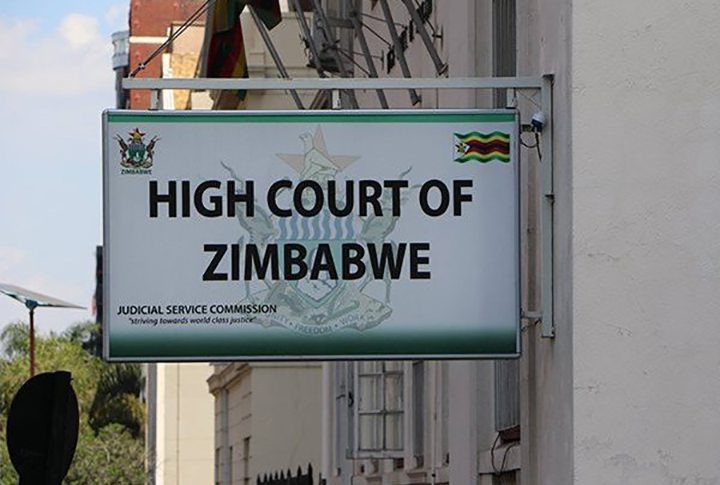
Residents from Mashonaland East and Masvingo provinces have approached the High Court seeking an urgent order compelling Parliament to decentralise public hearings on the Constitution of Zimbabwe Amendment Bill (No. 3) (H.B. 1, 2026), arguing that the current framework risks excluding citizens from a critical national process.
In two urgent applications filed at the Harare and Masvingo High Courts on 23 and 24 March respectively, the residents contend that the scheduled hearings, set to run from 30 March to 2 April, are overly centralised and inaccessible to many citizens, particularly those in remote areas.
Represented by Zimbabwe Lawyers for Human Rights (ZLHR), the applicants argue that holding hearings at selected district centres, rather than across wards, will effectively disenfranchise large segments of the population.
“Some residents in various provinces have asked Parliament to decentralise public hearings … to avoid disenfranchising people from participating and contributing in the crucial consultations on the proposed Bill,” ZLHR said.
The residents argue that the choice of venues, including Hwedza Centre, places an unfair burden on citizens who would be required to travel long distances, often on foot or using limited and costly public transport.
They further submit that Parliament has not made provisions to assist vulnerable and indigent citizens with transport, despite its constitutional obligation under Section 328(4) to ensure public participation by providing the necessary facilities.
The applicants are seeking an order compelling Parliament, represented by Speaker of the National Assembly Jacob Mudenda and President of the Senate Mabel Chinomona, to conduct the hearings in a manner that fully complies with constitutional requirements.
The respondents in the matter include the Minister of Justice, Legal and Parliamentary Affairs, Ziyambi Ziyambi, and President Emmerson Mnangagwa.
The applicants argue that meaningful public participation is central to safeguarding the Constitution and that citizens must be given a fair and adequate opportunity to contribute to discussions on proposed amendments.
They also cite their constitutional right to freedom of expression, insisting that they must be afforded a genuine platform to voice their views on matters of national importance.
In addition, the applicants are asking the court to direct the authorities to provide transport for affected communities. Some are also seeking an interdict to prevent the hearings from proceeding under the current arrangements.
Support CITE’s fearless, independent journalism. Your donation helps us amplify community voices, fight misinformation, and hold power to account. Help keep the truth alive. Donate today