

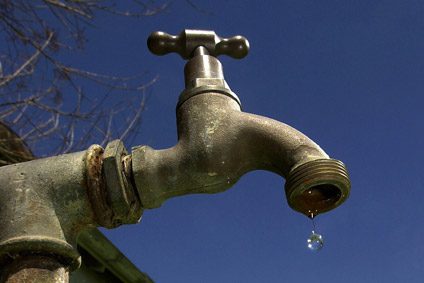
Bulawayo residents in high-density suburbs such as Old Pumula and Emakhandeni are enduring a worsening water crisis, going for weeks without reliable supply.
The shortages have created unsanitary conditions, fears of disease outbreaks, and frustration over high water bills despite little or no service.
Residents say the situation has reached breaking point and are pleading with the Bulawayo City Council to drill more boreholes and ensure a consistent supply.
Monica Shumba, a resident of Old Pumula, described the situation as a crisis.
“We have children, our area is now messy because people now go to the bush instead of using toilets because of lack of water,” she said.
She added that families are forced to fetch water from uncovered wells, raising health concerns.
“The single existing borehole in Pumula is insufficient for the entire community, and when there is no electricity, the pumps do not work, leaving us without water even on scheduled supply days.”
The challenge is felt most during funerals when water is urgently needed.
“It becomes difficult when we ask for water during funerals and they give us insufficient water, claiming they must supply the entire town,” Shumba said.
Nhlanhla Moyo expressed frustration over the lack of service delivery.
“Even the constitution says we have a right to water, they are now violating our rights,” he said.
He criticised the council for high water bills, calling them unfair.
“The high water bills, despite the shortages, are seen by some as a tactic to confiscate houses,” he added.
The impact extends beyond households. Siphiwe Thembo highlighted the pressure on schools.
“Pupils are frequently requested to bring two litres of water to school, and our water bills are expensive when we only get water four times a month,” she said.
In Emakhandeni, residents are also struggling. Abijah Msewe said they only receive water once a week.
“We only get water on Fridays and lack enough containers to store it for the week. We are forced to travel to Njube to fetch water. We urge the council to build a borehole for us because we feel uneasy sending kids to get water because of the busy road they must cross,” he said.
Ward 11 Councillor Susan Sithole acknowledged the challenges, citing pipe bursts as a major issue.
She said boreholes in her area should be solarised to ease the burden on elderly residents, but stressed that long-term solutions lie in water management and harvesting.
“We can do water harvesting; we have places that have streams that are beyond dams… Bulawayo is dry, our engineers should not wait for the rainy season,” she said.
She also noted that Luveve 5 residents face unique difficulties because their area’s high elevation prevents water from reaching taps.
Contacted for comment, Future Water Supplies and Water Action Committee chairperson Khalazani Ndlovu said the city will continue with the 130-hour water shedding programme due to low dam levels.
“The City of Bulawayo will continue with the 130-hour water shedding as we continue to anticipate a good rain season for 2025 and 2026. This is due to the low supply dams, which are currently at 40.38% as at 17 September 2025,” she said.
Ndlovu outlined some of the strategies underway, including engagement with ZINWA for more supply from the Nyamandlovu Aquifer, repair of pump stations at Inyankuni, Ncema and Umzingwane, and reducing leaks and losses. The long-term solution remains the Gwayi-Shangani Dam and pipeline project.
For residents, however, the immediate crisis remains unresolved. As Shumba put it: “We just want consistent water. Without it, life is unbearable.”
Support CITE’s fearless, independent journalism. Your donation helps us amplify community voices, fight misinformation, and hold power to account. Help keep the truth alive. Donate today
Water crisis is being caused by the illegal mining activities that destroyed the river sources the big question what is being done to stop ALL THESE ILLEGAL MINING ACTIVITIES destroying the Enviornment Where is the incompetent Enviornment Management Agency in all this??
Ciao a tutti, ho letto con interesse dell’emergenza idrica a Bulawayo e mi chiedo quali possano essere le migliori strategie di preparazione e risposta in situazioni di crisi come questa. Ho trovato un articolo molto utile che parla di questo tema, in particolare dell’importanza della gestione delle emergenze e dei trattamenti medici. Potrebbe essere interessante vedere come possiamo applicare queste pratiche, che si possono trovare qui: https://ltes6.com/navigating-crises-insiders-guide-to-emergency-response. Qualcuno ha esperienze o idee su come migliorare la situazione per le comunità in difficoltà?