

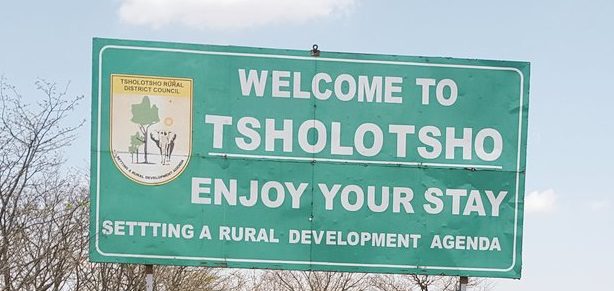
Researchers have urged the government and donor agencies to stop imposing climate adaptation programmes on the San community in Tsholotsho, warning that top-down interventions are undermining indigenous knowledge systems and deepening the community’s vulnerability to climate change.
The call follows a study by Lupane State University lecturers Inomusa Ndlovu and Mbongeni Nhliziyo, which found that many resilience initiatives introduced in the area, mostly agro-based, do not align with the San community’s traditional, ecosystem-dependent way of life.
The findings were presented during the Ilihlo Lemaphandleni programme, co-hosted by Community Podium and Skyz Metro FM.
Ndlovu said projects such as community gardens had largely failed because they conflicted with the nomadic and hunter-gatherer practices of the San. “Most of them are not interested in agro-based lifestyles,” she said. “Even when these efforts are there, they are not benefiting because farming is not part of their cultural system.”
The researchers also found that wild fruits traditionally relied on by the San have become scarce due to climate change, while restrictions by the Zimbabwe Parks and Wildlife Management Authority (ZimParks) have limited hunting, further disrupting their livelihoods.
“With climate change affecting animals and ZimParks restricting hunting, their cultural living is being affected,” Ndlovu said.
She added that many climate interventions had been “forced” onto the community without consultation.
“People bringing interventions are not asking them for knowledge. They are imposing what they think is best,” she said, urging government and NGOs to work closely with the San Chief to develop culturally appropriate solutions.
Nhliziyo said climate change had intensified the long-standing displacement of the San from their cultural identity, noting that state policies introduced before independence had already restricted their movement and access to natural resources.
“These are nomads but now they have to live a sedentary lifestyle,” he said. “Farming is not in their culture, yet they are expected to do it, and farming itself is affected by climate change.”
He criticised current government and NGO efforts for encouraging the San to transition from a hunter-gatherer economy to a Western, agriculture-based model. “Our study says this is not correct; they should maintain their lifestyle,” he said.
Nhliziyo added that indigenous knowledge, including advanced skills in tracking wildlife and locating water sources, is being overlooked. He said such expertise could be harnessed through formal employment opportunities.
“They should be working as guides in Hwange National Park, like what is happening in Kenya. That is what the government should be facilitating,” he said.
The researchers said future climate adaptation programmes must be developed with, not for, the San community if they are to be effective.
Support CITE’s fearless, independent journalism. Your donation helps us amplify community voices, fight misinformation, and hold power to account. Help keep the truth alive. Donate today
Leave a comment