

By Nokuthaba Dlamini
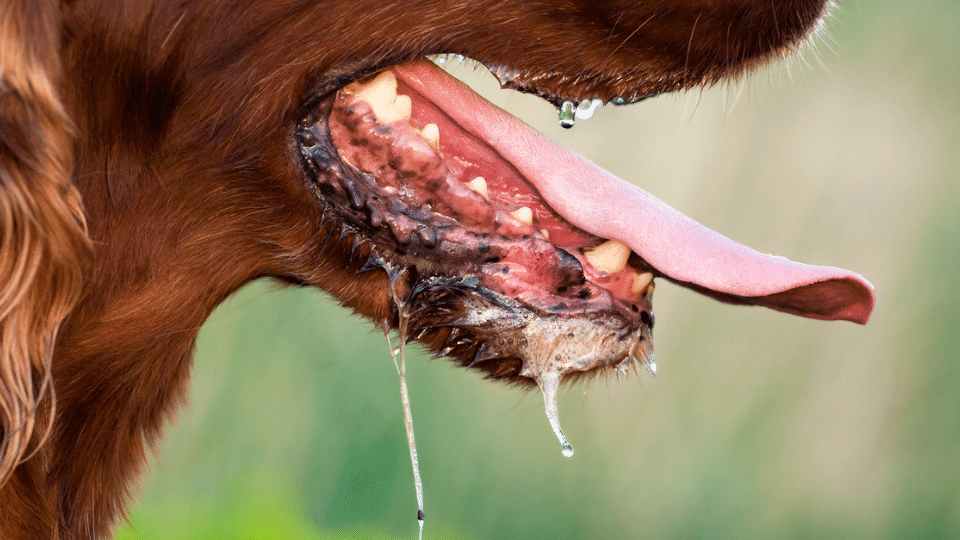
Communities in Mabale, under Chief Nelukoba-Dingani in Matabeleland North, say they are facing a new and largely overlooked form of human–wildlife conflict, following a surge in unexplained dog deaths linked to rabies spread by wild scavengers.
For years, human–wildlife conflict in Zimbabwe has centred on dramatic encounters involving elephants, lions, hyenas and crocodiles. But traditional leaders in Mabale say a quieter, deadlier crisis is gripping the area — one that threatens both human safety and household security.
Headman Dominic Dingani, who first raised the alarm, said dogs in the area rarely survive beyond two to three years.
“We have a crisis. Our dogs just die,” he said. “When jackals or hyenas kill goat kids, they leave saliva in the carcass. Our dogs finish the remains and inherit rabies. It’s sudden death. Jackals live only about a year, so they die quickly too, but meanwhile they spread disease. This is the catastrophe we are faced with.”
Although dogs are not counted in official human–wildlife conflict statistics, villagers say they are essential for security, alerting families to approaching predators and guarding homesteads. Their disappearance has left many households exposed.
Chief Nelukoba-Dingani warned that the situation now poses a serious public health risk.
“On top of this, they are biting people and spreading rabies,” he said. “This is now a human health challenge linked to wildlife.”
Villagers say dog bites have increased, particularly at night when sick animals roam in confusion. The loss of dogs has also heightened fear in homes and during daily chores.
“We sleep without dogs and it feels naked,” said Angeline Munkuli, a mother of four. “If lions come, who warns us? Even thieves know we no longer have dogs.”
Another villager, Busani Sibanda, said the problem is changing how families live.
“We used to move with confidence because dogs walk ahead of you,” he said. “Now we fear taking children to the borehole in the early morning. It’s a new conflict people don’t talk about.”
Nationally, Zimbabwe has recorded losses of 50 cattle, 280 goats and 27 donkeys in 2025, mostly due to lion attacks. But dog deaths go unreported because they are not considered livestock under government compensation rules, a gap rural leaders argue is worsening the crisis.
Acting provincial veterinarian for Matabeleland North, Dr Gwinyai Zhandire, confirmed the concern and said authorities are responding.
“The government is aware of the issue and we are working to put it under control, including electrifying parks to reduce conflict,” he said.
“The Minister of Lands, Agriculture, Fisheries, Water and Rural Development is looking into the matter.”
He urged villagers to vaccinate their dogs against rabies and canine distemper, noting that domestic and wild carnivores serve as reservoirs for the diseases.
Support CITE’s fearless, independent journalism. Your donation helps us amplify community voices, fight misinformation, and hold power to account. Help keep the truth alive. Donate today