

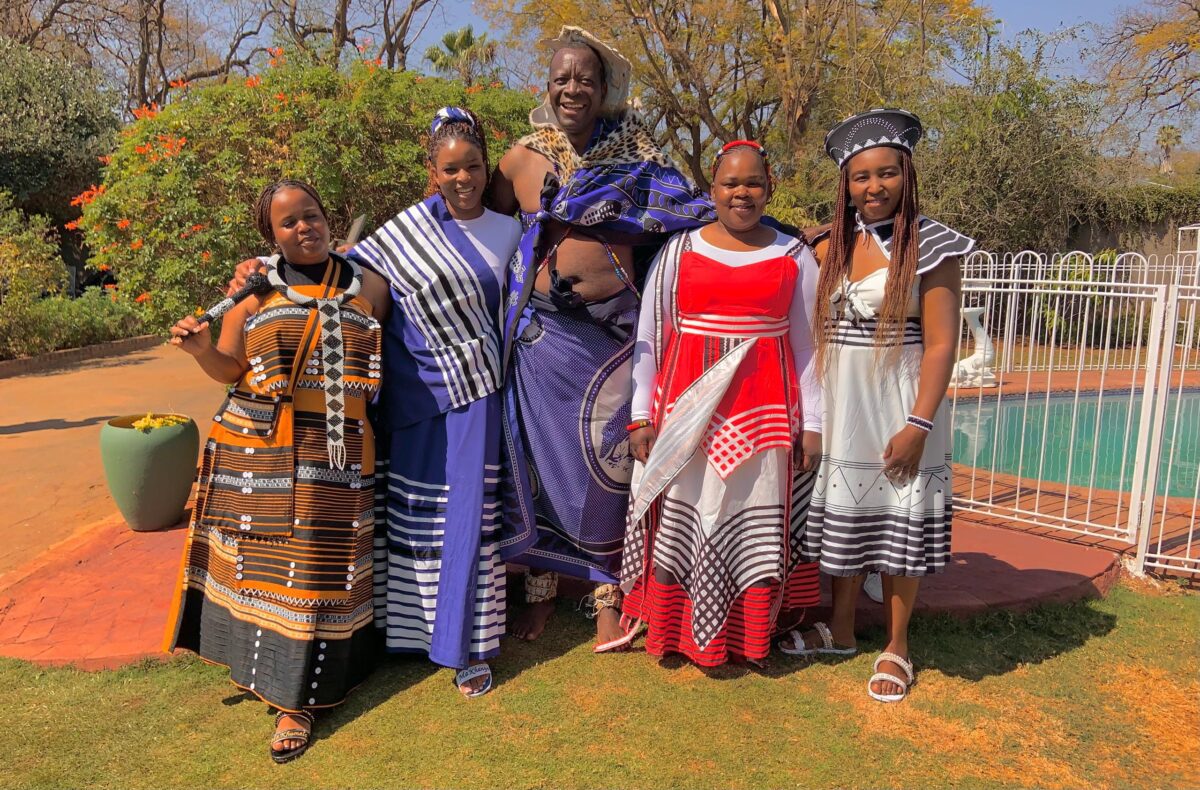
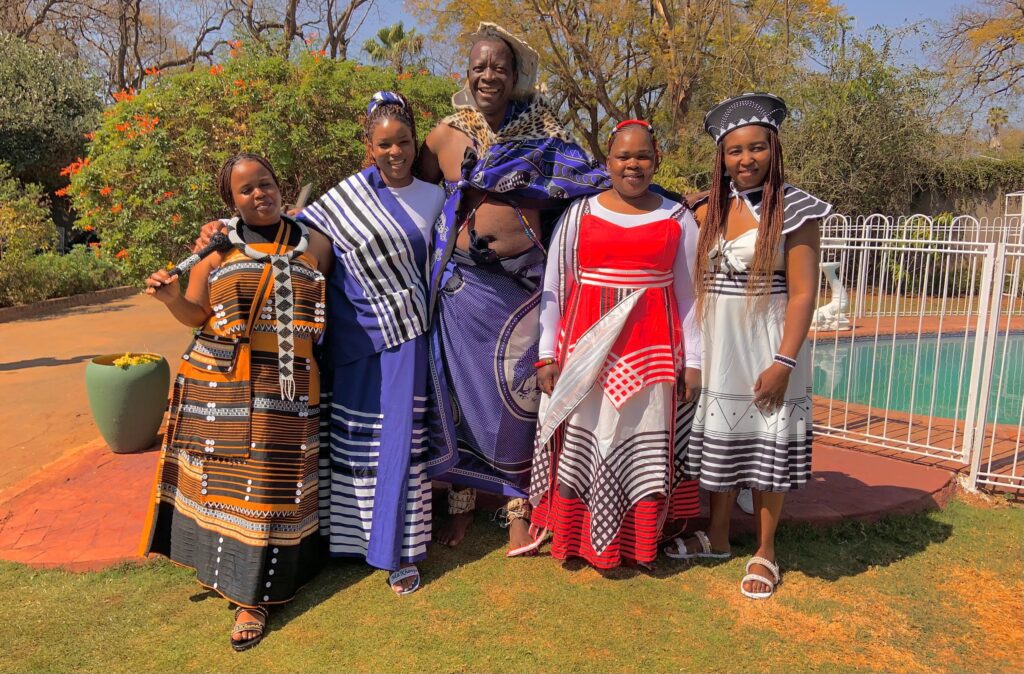
Professor Solwayo Ngwenya, a renowned medical doctor and strong advocate for cultural preservation, says honouring ancestors is a cornerstone of African heritage and should not be mistaken for paganism.
Speaking at his family homestead in Bulawayo on Saturday during his annual Traditional Dance Festival, which has been running for over a decade, Prof Ngwenya stressed the importance of thanking both God, known in Ndebele culture as uMveliqangi and ancestors for their blessings.
The festival, held every August, brought together community members, cultural enthusiasts and the Ngwenya family to celebrate the richness of Ndebele heritage where the sound of drums and the energy of dancers filled the homestead.
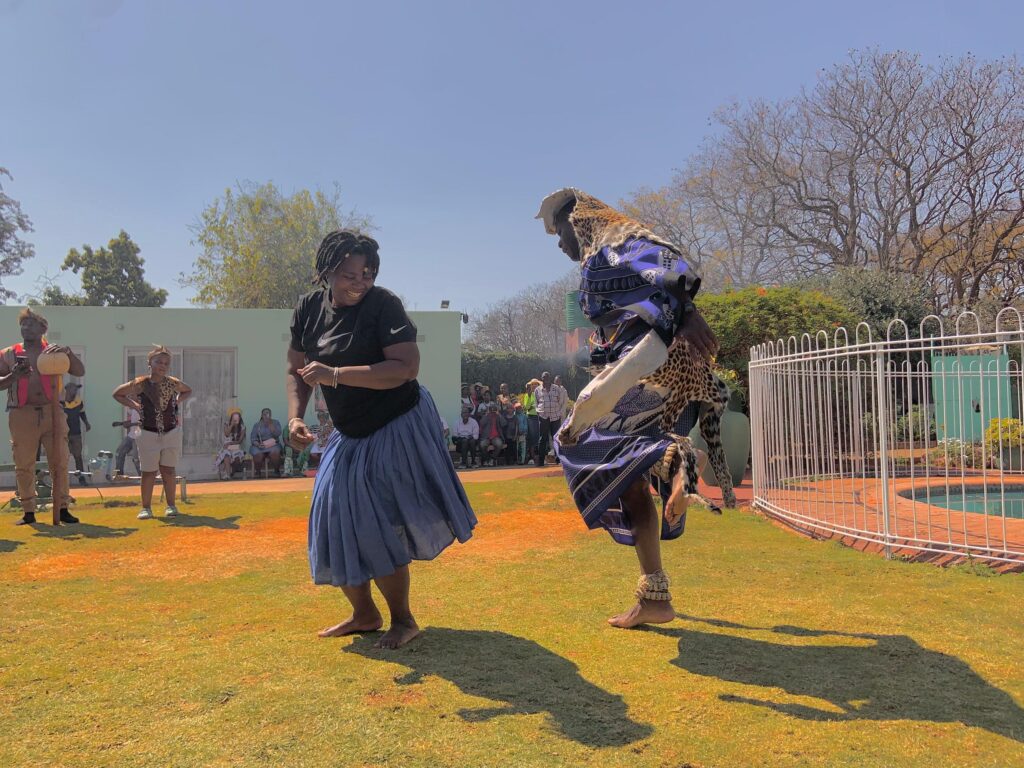
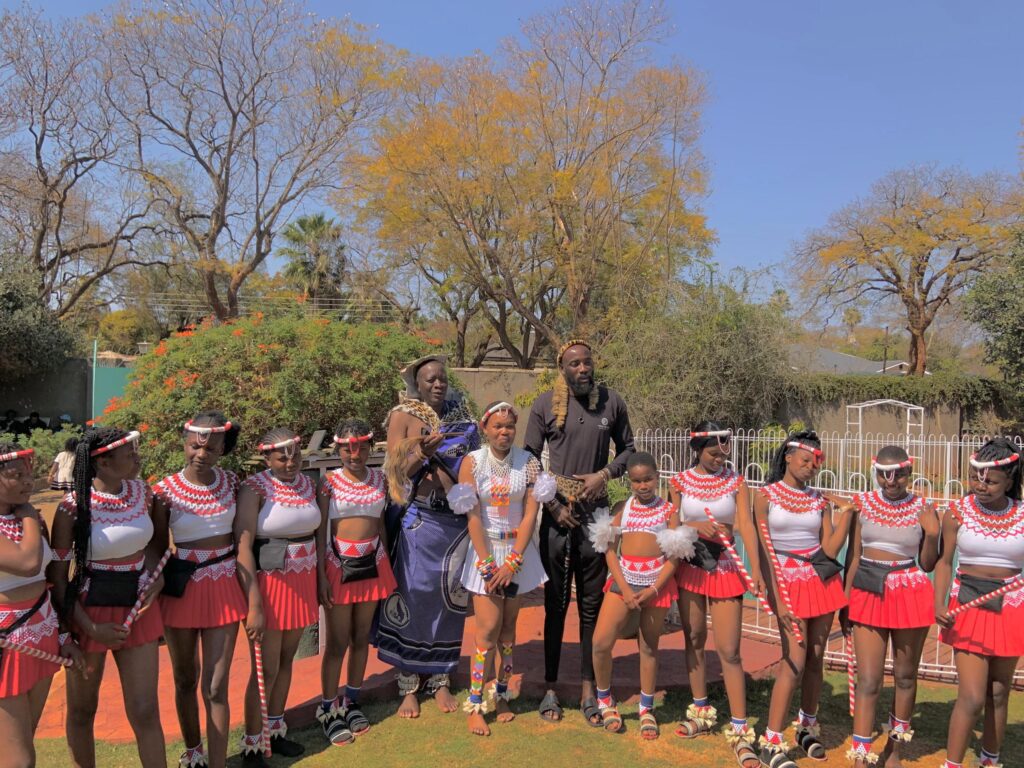
Young maidens, known as amatshitshi dressed in colourful beads and traditional skirts swayed gracefully while women ululated, completing a scene reminiscent of the ancient gatherings of the Ndebele nation.
The air was also thick with the aroma of roasted meat and sorghum beer, where attendees agreed the festival was not just entertainment but a reaffirmation of identity, a call to preserve cultural practices
In an interview with CITE, Prof Ngwenya, said honouring ancestors was a spiritual duty, not a pagan act.
“This event is very important, it is our cornerstone. Our families lived many centuries ago and it is passed on from generation to generation using oral history and teachings,” Ngwenya said.
“The annual dance festival is a time to honour our God, uMveliqangi, and our ancestors who look after us. We ask for anything and they give and bless us. They give us good rains, harvests, and we use the harvests to thank them by slaughtering a cow or goat and calling a gathering. This event has to be done every year as a remembrance.”
At the centre of the gathering, a sacrificial cow and goat were slaughtered, a ritual act of gratitude to ancestors.
Pots of traditional sorghum beer brewed by the women bubbled nearby and were shared as part of the thanksgiving feast.
Ngwenya urged communities not to dismiss traditional practices as backward or ungodly.
“Unfortunately, with encroaching westernisation and education, people think it is a pagan ceremony and associate it with misconceptions like satanism. It is not. It was there from creation by God himself, whom we call uMveliqangi. That is why we hold it every year,” he said.
Traditional leaders lent their voices in support of the event as Chief Dakamela of Nkayi, who attended the festival, said Ngwenya’s leadership showed that modernity and culture could coexist.
“It is important for Prof Ngwenya, an educated person who has reached the top echelons, a respected man, who has not lost sight of his culture. It is admirable and crucial because when we speak of modernity, we are speaking of other people’s cultures,” he said.
“For example here in Zimbabwe, we adopted British culture which we have lived as modernity or made it our modern culture but we should realise this British culture was packaged in a way that made us attracted to it to an extent that we feel pride when we wear suits and speak English.”
Chief Dakamela said when professors like Ngwenya honour their ancestors, it attracts others to follow suit.
“This inspires us to live by our traditions. Even though Zimbabwe is a Christian country, one must not lose sight of their culture and tradition. Prof Ngwenya speaks of honouring Mveliqangi and the Lord, which shows us that culture and religion are not different but the same.”One of Ngwenya’s wives, Princess Mkandla, affectionately known as uMakhabo, also backed the ceremony.
“When I married into this family, I found this practice done at the Ngwenya homestead every year and I accepted it and became used to it. Even at my rural home in Lupane, brewing traditional beer was something that we used to do,” she said.
Support CITE’s fearless, independent journalism. Your donation helps us amplify community voices, fight misinformation, and hold power to account. Help keep the truth alive. Donate today