

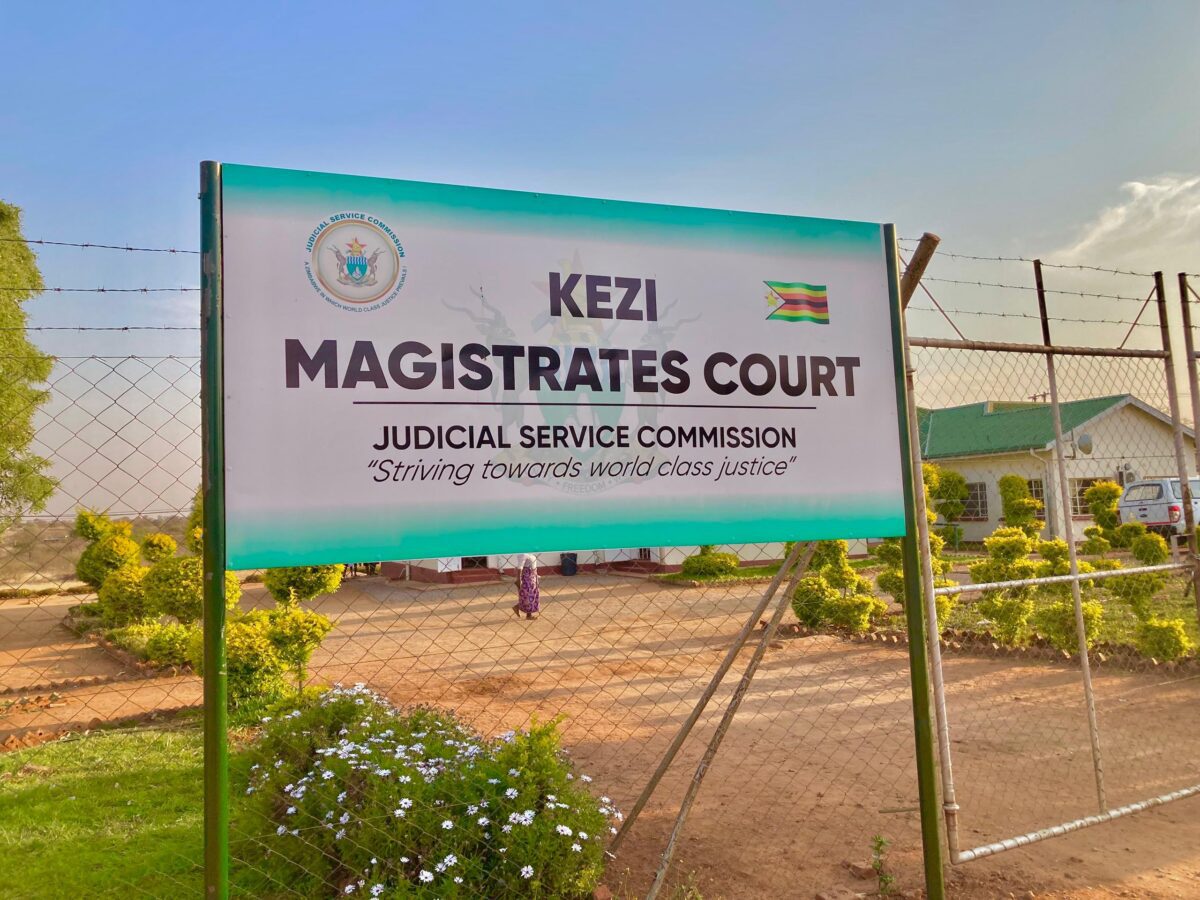
The trial of three police officers accused of brutally assaulting schoolchildren at Mahetshe Primary School in Maphisa, Matobo District, earlier this year opened on Tuesday at the Kezi Magistrates’ Court, drawing parents, community leaders and rights defenders demanding justice.
The officers face charges of assault under Section 89 (1), paragraph 8 of the Criminal Law (Codification and Reform) Act, after they allegedly beat scores of pupils during a 21 May “crime awareness campaign” at the school.
The incident left several children injured, sparking outrage across Matabeleland South.
However, the three police officers pleaded not guilty, denying that they assaulted the learners.
The case is being heard before Magistrate Busani Sibanda, with Prosecutor Nkosi Nzima representing the state. The accused officers are represented by lawyer Taboka Nyathi, while the children’s parents are being assisted by the Christian Legal Society.
Although proceedings were scheduled to start at 8am, the trial only began after 11am, with child witnesses taking the stand. By lunchtime, only one child had been cross-examined. By adjournment at 5pm, just four of the 13 children on the witness list had testified, each subjected to lengthy questioning by both the state and the defence.
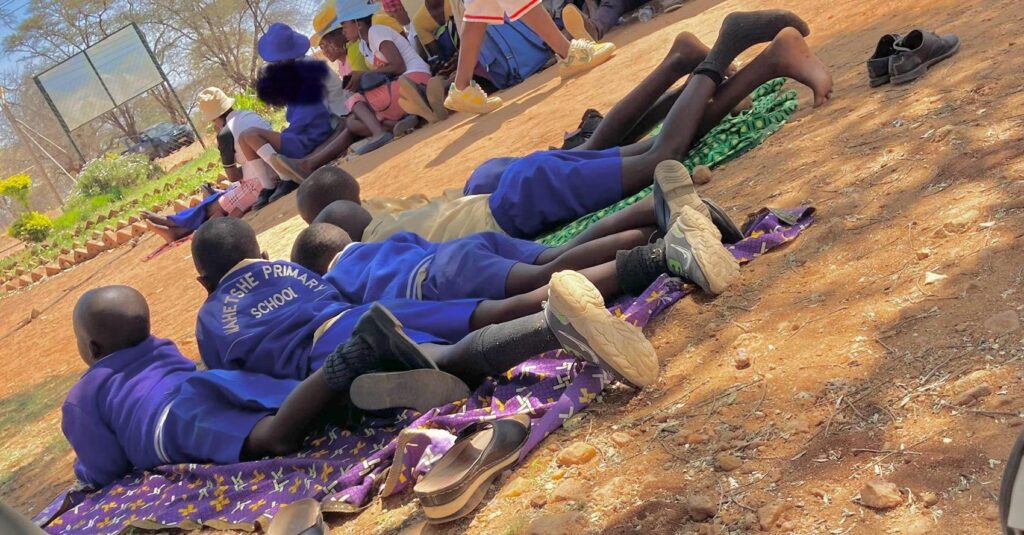
The children were expected to testify on camera, or have their statements recorded, but the court lacked the necessary equipment. As a result, the gallery was cleared and journalists ordered out, leaving only court officials, lawyers and parents as the children were called in one by one.
Teachers from Mahetshe Primary School were also present after receiving summons, while District Schools Inspector Nicho Moyo waited outside as proceedings continued behind closed doors.
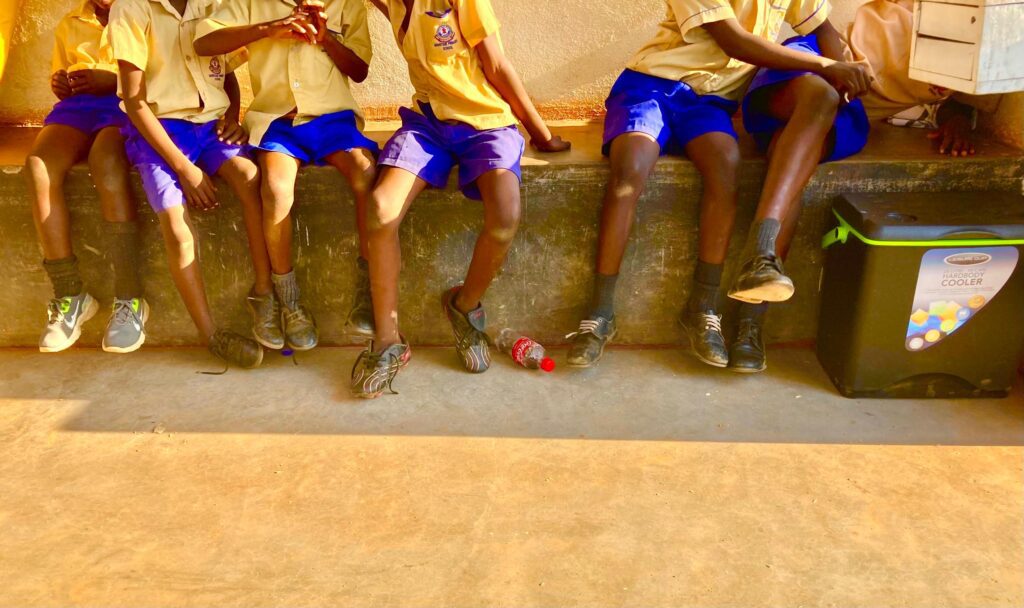
Outside the court, parents voiced concern over what they described as intimidating lines of questioning.
“They are asking these young ones more than 15 questions each,” said one parent, speaking alongside other guardians and Village Head Shakespeare Ndlovu.
“They asked if the children saw the doctor who wrote the medical reports, as if to suggest we fabricated evidence. They asked when the child was last beaten at home, trying to imply the scars came from parents, not the police.”
Some parents alleged that questions even touched on tribal issues.
“One of the children was asked if they heard their parents call the police ‘Shona’ and accuse them of Gukurahundi,” said another parent. “But that is false. One of the accused officers is actually a Ndlovu from here. Tribalism has nothing to do with this case.”
Parents also described the injuries their children suffered.
“One of the children is now deaf after being double-slapped,” said one guardian.
“One girl’s eye was swollen. Another boy was beaten so badly he urinated on himself. How can the police deny this?”
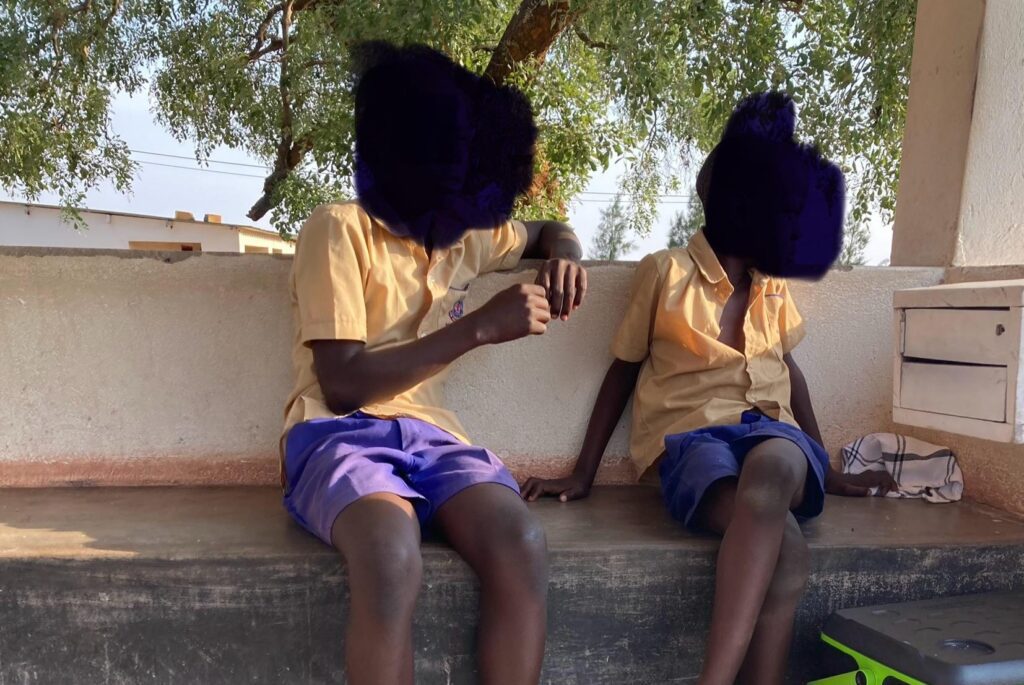
Another parent recalled: “There were about 700 children lined up at the school grounds. They beat them in front of everyone. They should call the doctor to testify.”
The families said they were each given ZiG160 for transport, but the money did little to ease their anger. Some quietly checked their children’s scars as they waited outside court.
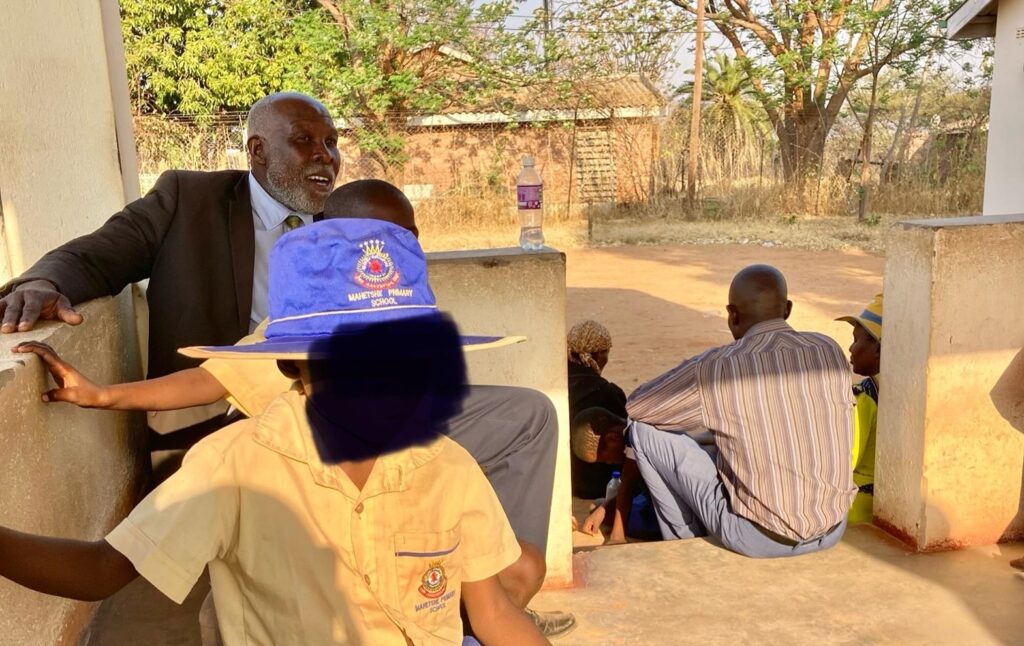
Village Head Ndlovu, who witnessed the assault, said: “We were 12 at our meeting by the gate when we heard cries and rushed to the school.”
Another villager recounted: “We saw children being whipped with sticks and seized about 15 canes from the police. Later, teachers asked for them back, softening us, and we returned them. We ought to have kept them.”
One villager said one of the officers wore slippers with his uniform, earning the nickname mapatapata.
“They only greeted us at the gate and never said what they were going to do,” the villager said. “We found one child bleeding. Police told us the learners were naughty and that we had insulted them. If our leaders hadn’t calmed us, there could have been a fight.”
Parents claimed the officers later apologised after speaking to the school headmistress, who was unwell at the time.
“Why apologise if they did not beat the children?” asked one parent.
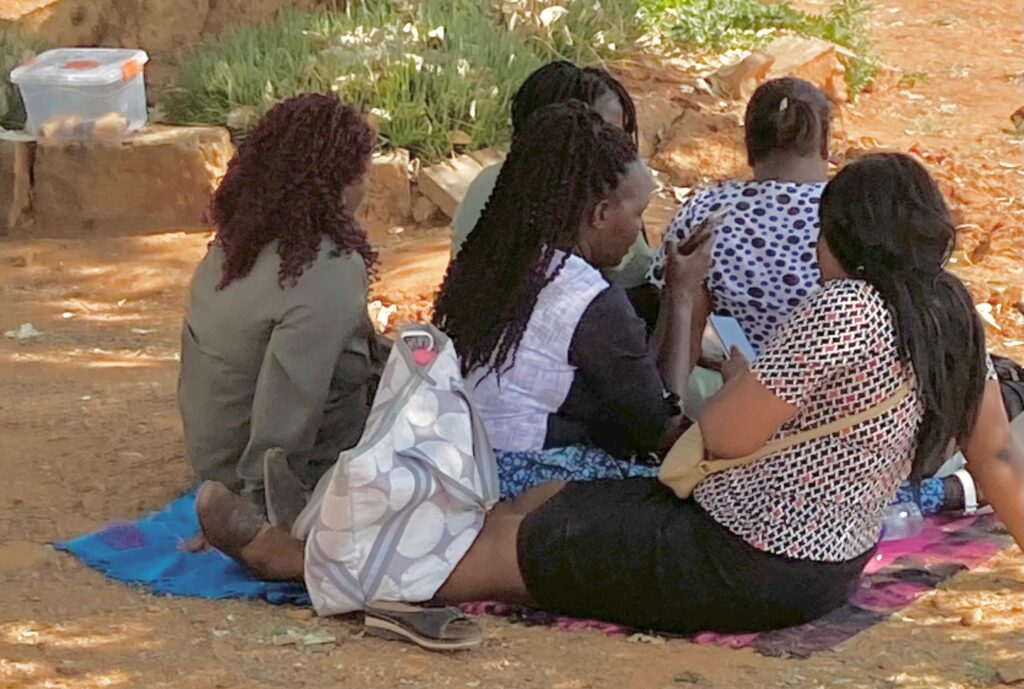
Earlier investigations by CITE revealed that the flashpoint for the assault was the alleged theft of US$20 from a teacher, Mrs Siyamunda, who sells snacks to pupils. The School Development Committee (SDC) and school administration called police to discipline learners collectively.
“The deputy headmistress admitted the school called the police because a boy stole US$20 from Mrs Siyamunda,” Ward 20 Councillor Sanelisiwe Mhlophe told CITE in a previous interview.
Community members preparing to testify on Tuesday claimed Mrs Siyamunda lives at the Maphisa police camp, raising suspicions of possible collusion.
Witnesses said police arrived under the guise of a crime awareness campaign but quickly lined up pupils and began beating them with sticks and whips.
The violence, villagers said, evoked painful memories of past state brutality.
“This is how Gukurahundi was done,” said one villager. “As children we saw people beaten at a pungwe. Now they are beating our children in the same way. It awakens old wounds. I even threw down my bicycle to stop one tall officer from hitting a child.”
Others criticised police for targeting pupils while failing to tackle crime in the community.
“They say children are sleeping with each other,” said a parent. “Where and with whom? If it’s happening at school, what are teachers doing? Are they sleeping with them too?”
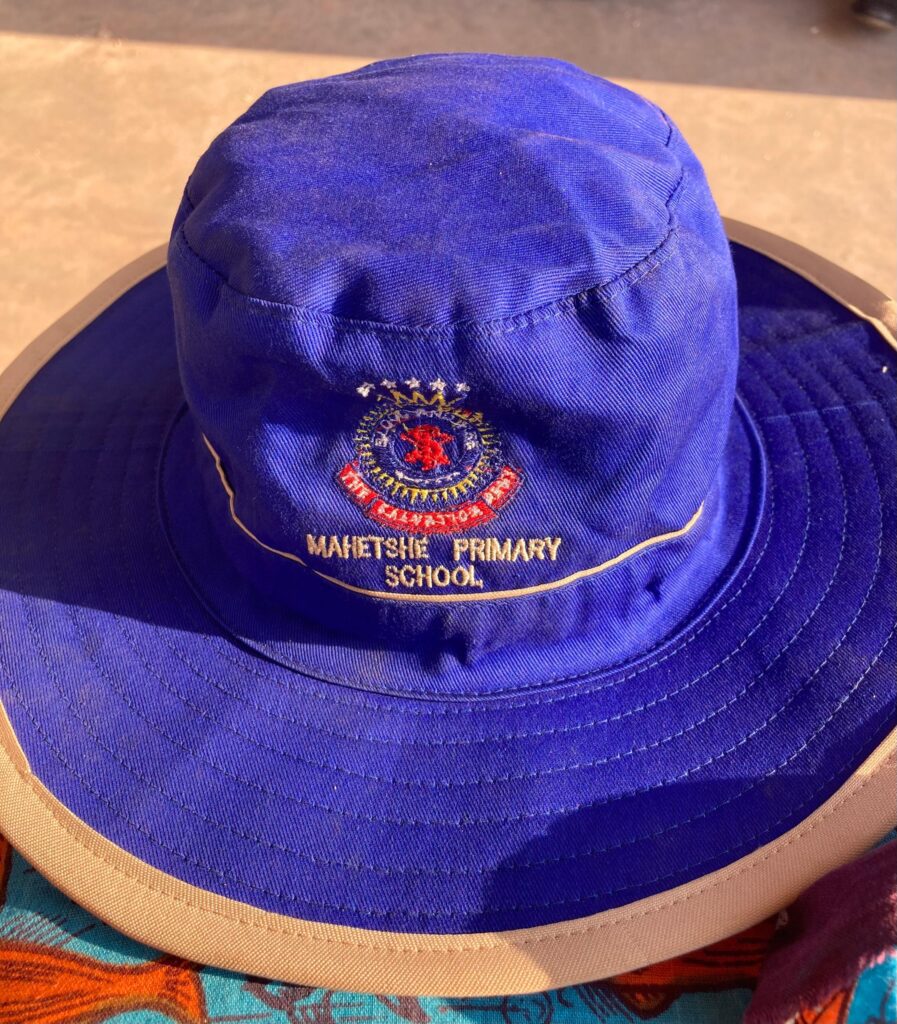
The case was adjourned to 29 September 2025, when the remaining nine child witnesses, as well as adult witnesses and teachers, are expected to testify. The trial is likely to stretch over several sessions.
Parents urged child rights organisations, teacher unions and community leaders to stand with the victims.
“Where are all those groups that say they protect children?” asked one parent. “This case was almost buried. Now is the time to stand with these learners.”
Support CITE’s fearless, independent journalism. Your donation helps us amplify community voices, fight misinformation, and hold power to account. Help keep the truth alive. Donate today