

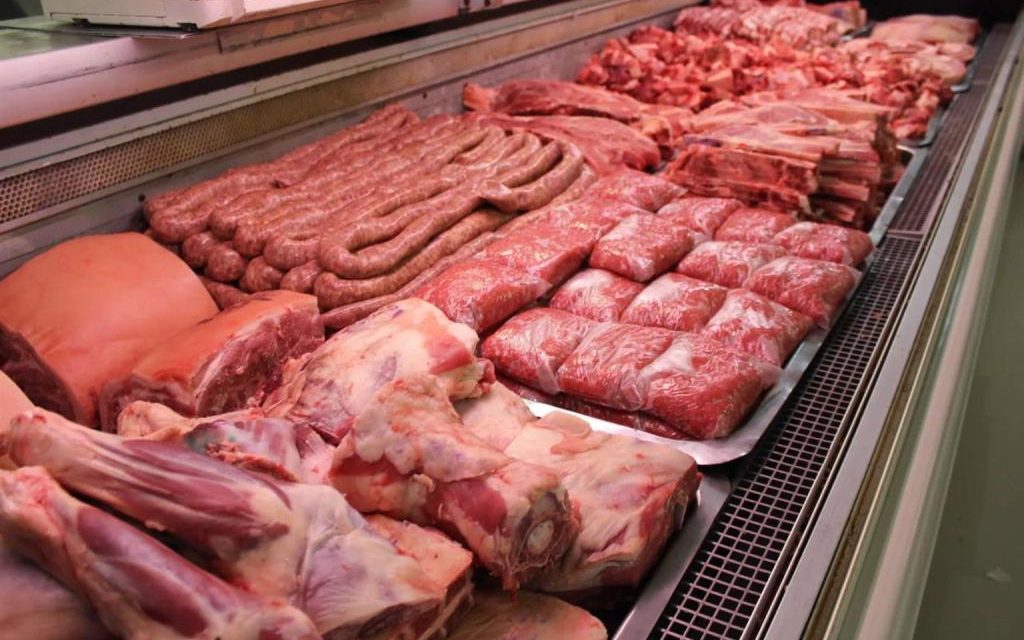
The Bulawayo City Council (BCC) condemned more than 700 kilogrammes of unwholesome and uninspected meat in January following a food safety crackdown carried out by its health inspectors.
According to a report by the council’s Health, Housing and Education Committee, inspectors seized 428kg of uninspected beef from one trading outlet, while 150kg and 8.58kg were condemned at two separate butcheries after being declared unfit for human consumption.
The confiscations were part of routine inspections conducted across supermarkets, butcheries and food outlets in the city aimed at protecting residents from unsafe food.
During the same inspections, health officials also confiscated expired dairy products, dented canned goods and improperly labelled items from various supermarkets and kiosks.
In another incident, operations at a fast-food outlet were temporarily shut down after inspectors discovered a sewer choke at the premises, which had to be resolved before business could resume.
Council records show that 1,868 inspections were carried out during the month, resulting in 32 tickets and 21 intimations issued to businesses that failed to comply with health regulations.
During deliberations at the latest Full Council meeting, councillors commended the Health, Housing and Education Committee for its vigilance in safeguarding public health through inspections and enforcement.
However, they also stressed that the committee’s effectiveness was being hampered by limited resources, particularly a shortage of operational vehicles.
Ward 24 councillor Aleck Ndlovu said while the committee was performing a commendable job, it required more support to expand its operations.
“As fellow councillors have pointed out, this committee is doing a commendable job. However they are affected by lack of resources,” he said.
“When we look at the situation at the market, it is very dire. The main challenge is that there are no adequate resources, especially vehicles.
“They only have two that they use when conducting inspections at the moment. The rest are broken down. This needs to be addressed. There is also need to capacitate the council workshops so that they can be able to fix the broken down trucks timeously to ensure smooth sail of services.”
Councillors said providing adequate resources would allow inspectors to cover more areas and strengthen food safety enforcement, particularly in markets and other high-risk trading zones where illegal food sales remain a concern.
Support CITE’s fearless, independent journalism. Your donation helps us amplify community voices, fight misinformation, and hold power to account. Help keep the truth alive. Donate today