

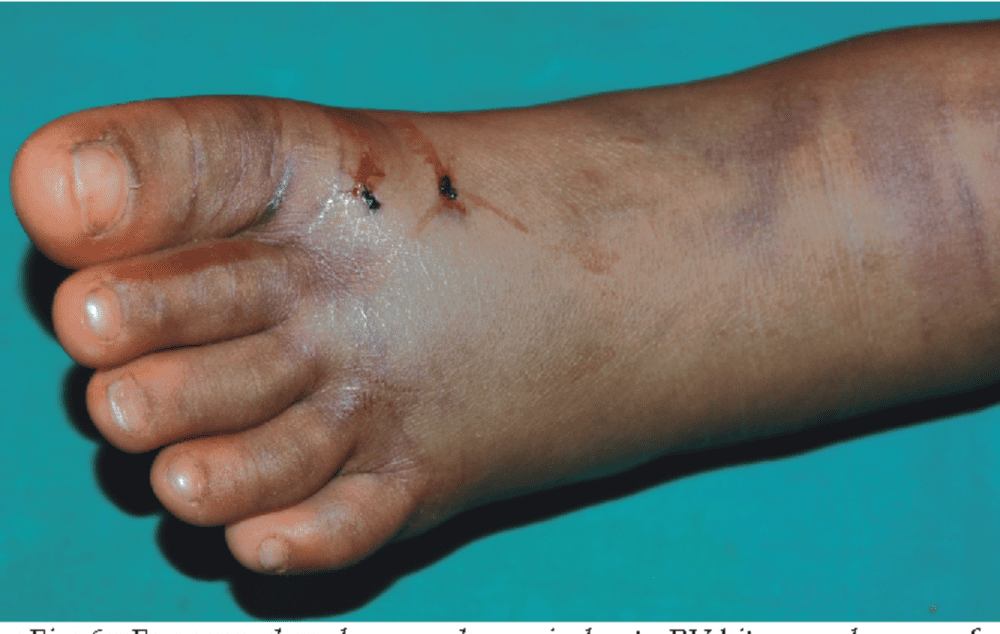
The government has reported that 1 513 snakebite cases have been recorded so far in 2026, while assuring that adequate stocks of anti-venom are available at health facilities across the country.
This was revealed by Health and Child Care Minister, Dr Douglas Mombeshora, in response to a question from Chipinge South Member of Parliament Clifford Hlatywayo.
The MP had asked about plans to provide sufficient medical supplies for snake bites and rabies in vulnerable areas along the border and highly forested regions, citing areas such as Mahenye and Chisuma in Chipinge South, as well as Chirinda and Muzite in Chipinge East.
In his response, Minister Mombeshora said the government is fully seized with the matter of providing adequate medical supplies for snake bites and rabies, particularly in border areas and forested regions where these health threats are most acute.
“On the burden of disease, the total number of snake bite cases recorded so far in 2026 is 1 513 cases. The data clearly shows that Hurungwe District has 64 cases, Zvimba District 61 cases, Makonde 46, Buhera 43 and Bikita District 39 cases,” he said.
“These are among the highest burden districts. These are the areas where we have intensified our anti-venom distribution and pre-positioning efforts.”
Dr Mombeshora explained both snake bites and rabies are classified as neglected tropical diseases and are now prioritised under the Zimbabwe Neglected Tropical Diseases Master Plan 2023–2027, which was launched in December 2024.
“In the current stock situation, I wish to update this august House on the actual stock levels of rabies vaccine and snake anti-venom at our health facilities. Contrary to any perceptions of shortage, the Ministry of Health and Child Care has taken deliberate efforts to stock both products, particularly in facilities in high-incidence areas. This targeted approach ensures that communities in high-incidence areas are protected,” said Dr Mombeshora.
Regarding the rabies vaccine, the Minister said facilities in endemic areas hold stocks, enabling prompt intervention when a patient reports to a facility.
“A treatment must be initiated as soon as possible after exposure to be effective,” he noted.
According to the minister, large stocks of anti-venom are currently available across the country.
“Ndanga has 254 vials, Marondera 55, Zaka 51, Murambinda 48, Gwanda 42, Filabusi 27, Gokwe South 19, Masvingo at Morgenster 20, St. Michaels in Mhondoro 28, Nhowe Mission 15, Victoria Falls Hospital 10, Nyanga Hospital 10, Chipinge 10, Mutoko 10 and Gweru 10,” Dr Mombeshora said.
He further detailed that the anti-snake venom product, known as PANAF 38, is readily available at all NatPharm regional branches.
“Unlike many other commodities, PANAF 38 does not require refrigeration and is kept at room temperature, which facilitates easier storage and distribution. Health facilities can place an order through NatPharm and receive delivery promptly,” he explained.
Providing a breakdown of anti-venom stocks at regional branches, the minister said: “Mutare has 795, Masvingo 583, Chinhoyi 653, Bulawayo 873, Gweru 547 and Harare 2,028.”
Turning to rabies, the minister revealed that between 2022 and October 2024, Zimbabwe recorded a cumulative total of 331 dog rabies cases and 17 human rabies deaths.
“The provincial distribution of animal rabies cases is as follows: Manicaland recorded 126 cases, Mashonaland East 50, Masvingo 44, Mashonaland Central 34, Mashonaland West 28, Midlands 20, Matabeleland South 13, Matabeleland North 12, Harare four, Bulawayo zero,” said Dr Mombeshora.
“These figures demonstrate that rabies is present throughout our country, with Manicaland province being the most affected.”
He described the 17 human deaths as “17 preventable tragedies” and said the Ministry is determined to prevent such losses going forward.
Outlining the integrated and sustainable approach, Dr Mombeshora said the Neglected Tropical Diseases Master Plan provides the overarching framework for the Ministry’s work, focusing on several key areas including treatment, supply chain management, and data-informed resource allocation.
“On treatment, we have established a responsive supply chain through the National Pharmaceutical Company (NatPharm). Facilities in high-risk areas can order and receive medicines promptly. The provincial data I have shared today informs our resource allocation and procurement decisions,” he said.
The Minister acknowledged that the products are not manufactured locally and therefore require importation and stocking up.
On rabies elimination, Dr Mombeshora said Zimbabwe has committed to the global goal of eliminating dog-mediated human rabies cases by 2030.
“The government, through the Department of Veterinary Field Services, is tasked with a mass dog vaccination programme targeting high-risk areas along our borders and in forested regions,” he added.
Dr Mombeshora further stated that the Ministry is conducting health education and community engagement to address misconceptions surrounding snake bites and rabies, noting that traditional leaders in affected areas are critical partners in this effort.