

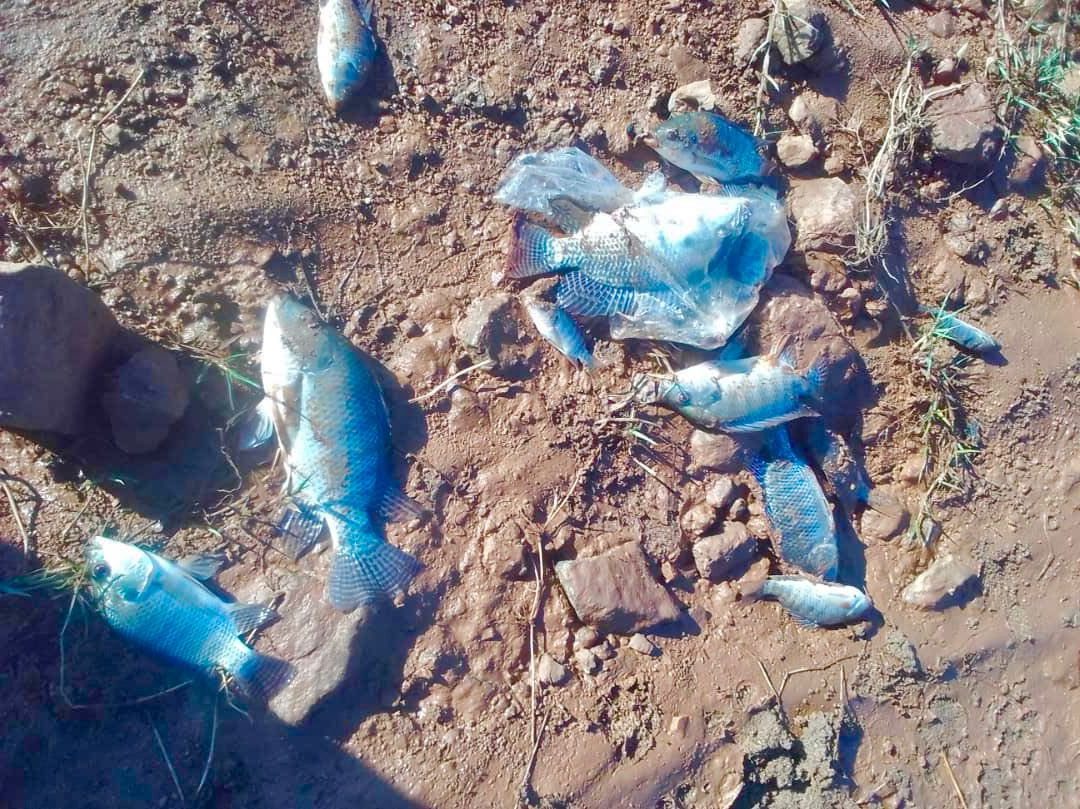
The foreman at Nevada 24 Mine in Maphisa, Matobo District, has denied allegations linking the mine to the recent contamination of Mazayi River, insisting the mine follows strict chemical management procedures and that other nearby operations may be responsible for the environmental damage.
Speaking to CITE in the absence of the mine manager who is reportedly unwell, Partmore Makina, the mine’s foreman, detailed the mine’s processes and refuted accusations that it spilled cyanide or other toxic substances into the river, where hundreds of fish were found dead last month.
“Our plant uses cyanide, hydrogen peroxide and lime. Those are the chemicals we use here to run our plant,” said Makina in an interview.
“The measures we take to avoid contamination is to make sure our dams do not spill. We return water to the plant from slime dams to reuse the water. We always do that.”
Makina said the mine had also begun rehabilitation efforts on previously unused sludge dams to prevent runoff.
“Our old sludge dams that we were not using, we are planting trees, grass and cleaning the trenches to make sure no soil goes down the stream from the plants,” he explained.
“At the same time, soon after this week, we are putting up a big emergency pond to avoid spillage from going down the stream. The pond will be put at the slime dam.”
Read:https://cite.org.zw/mining-pollution-kills-fish-threatens-public-health-in-maphisas-mazayi-river/
The foreman insisted that no contamination had occurred from Nevada 24, noting their use of chemicals to neutralise cyanide.
“We use ferrous sulphate. As we are talking, there will be no cyanide in my slime dams, it will be neutralised. That wasn’t from me. It’s only people who were talking about me but at my side. I was 100 percent correct here. I never spilled anything,” Makina said, highlighting that rains do wash away soil from their slimes but it would not cause contamination.
“It’s just rainwater that flows from Mazayi River and people saw that soil dumped down there and they thought it’s me, but it wasn’t. It wasn’t Nevada.”
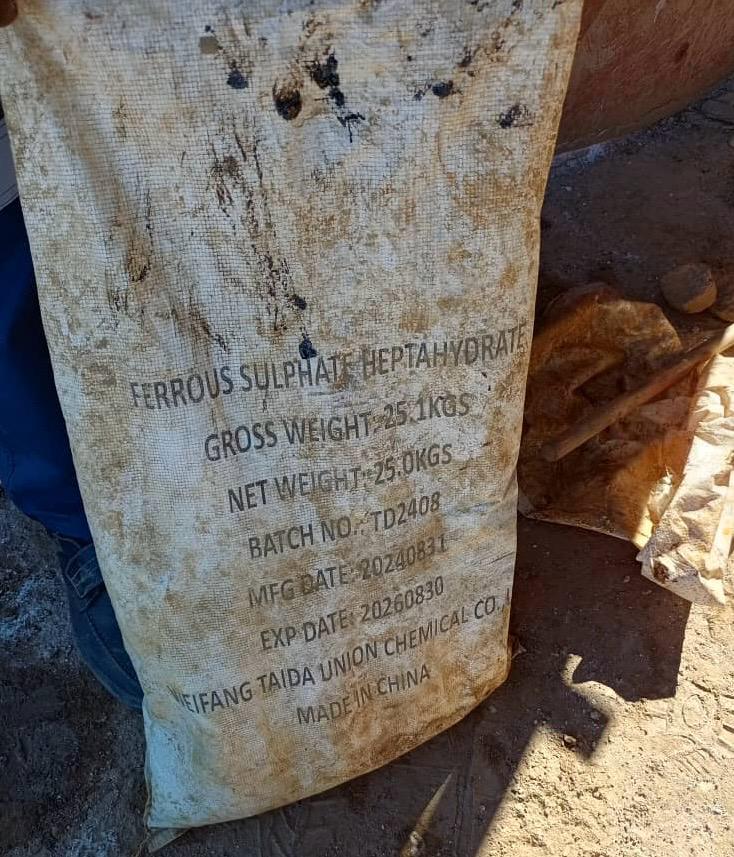
Makina suggested the fish deaths occurred due to unknown substances introduced by others at a specific point along the river.
“From what I saw when I visited the area, fish were dying at the same point. It should be someone who put something at that point, because there is a road that crosses there. At the last point, that’s where fish were dying, mostly the small ones,” he said.
Makina also dismissed rumours that the mine was selling dangerous chemical containers to the public.
“I heard we sell cyanide containers, but here I don’t order in containers. I order one tonne of wooden boxes,” said Makina.
“My team or workers sell hydrogen peroxide containers only. Those are for adding oxygen to the system and are not harmful to people. If they drink or whatever, it’s not a problem.”
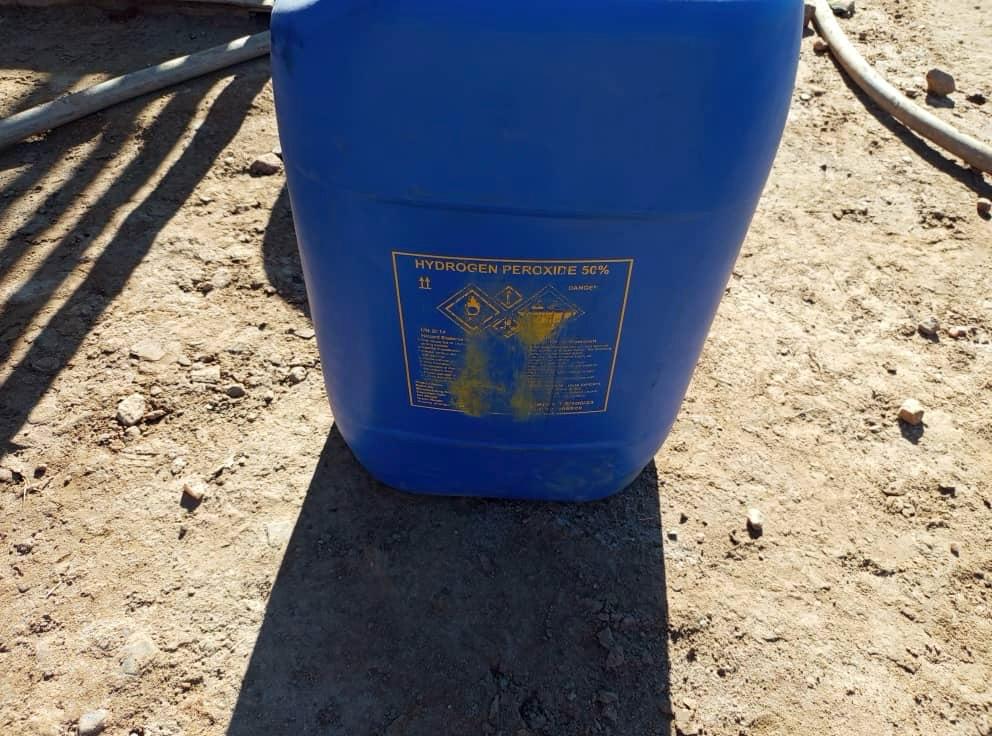
The foreman admitted the mine had not initially engaged with local leaders but cooperated with investigators from the Environmental Management Agency (EMA) and Zimbabwe National Water Authority (ZINWA).
“At first, I didn’t speak with any leader but only spoke to the team that was coming to do the investigations, which were the EMA and ZINWA teams,” he said.
“From our side, the teams saw that we are ok. We were working with those people. I didn’t report anything to the community or tell them anything. I was dealing with people who came for the investigation.”
Following critical media coverage, Makina reached out to Ward 19 Councillor Nqobizitha Ngwenya to explain their operations.
“That was my point. When I saw the second story, I said I must find the councillor and show him how I operate here and everything so that he understands how Nevada works and prevents spillage to the community as well,” Makina said.
“The councillor understood what he saw, not what I was saying.”
Makina further argued that Nevada 24 was being unfairly targeted.
“But if you look at that side stream, it’s not only Nevada that can put soil in that stream. There are other miners and people downstream doing mining, have hammer mills and so on, around the eastern side who also feed into that river,” he said.
“So for them to say it’s only Nevada, I can’t believe that. As long as I don’t have cyanide spilled out, I don’t have a problem. But the stories coming out were Nevada, but here at our operations, I never had a burst dam or any spillage.”
Councillor Ngwenya confirmed the site visit on Sunday in an earlier interview with CITE, saying the mine had demonstrated several environmental controls and claimed to reuse water and neutralise cyanide using hydrogen peroxide.
“If what they are saying is true, it means there is a rogue miner here,” Ngwenya said, adding that three mines, including Nevada 24, Van Staden Mine, and another owned by a Zanu PF MP, could be polluting the river.
“We have to go back to the drawing board, investigate the other two mines and see who may be depositing effluent. It is necessary to get to the root cause of this problem.”
Ngwenya said the community remained skeptical and more tests were needed to determine the true source of contamination.
“They might be covering up something because after we recommended that they review how they are disposing of their effluent, that’s when they invited us to say, ‘come see how we deal with our effluent,’” he said.
“They wanted to show that their processes exonerated them from the contamination incident…but you cannot trust these miners.”
During the visit, Ngwenya said the mine showed off various environmental control measures.
“They showed me how every hour they check what they are releasing into the mine. There is a worker stationed there at the release point who has a logbook. When I checked the logbook, it seemed it had been there since 2021. The book looked genuine, but it’s a tricky thing, you know miners when they want to protect their operations,” he said cautiously.
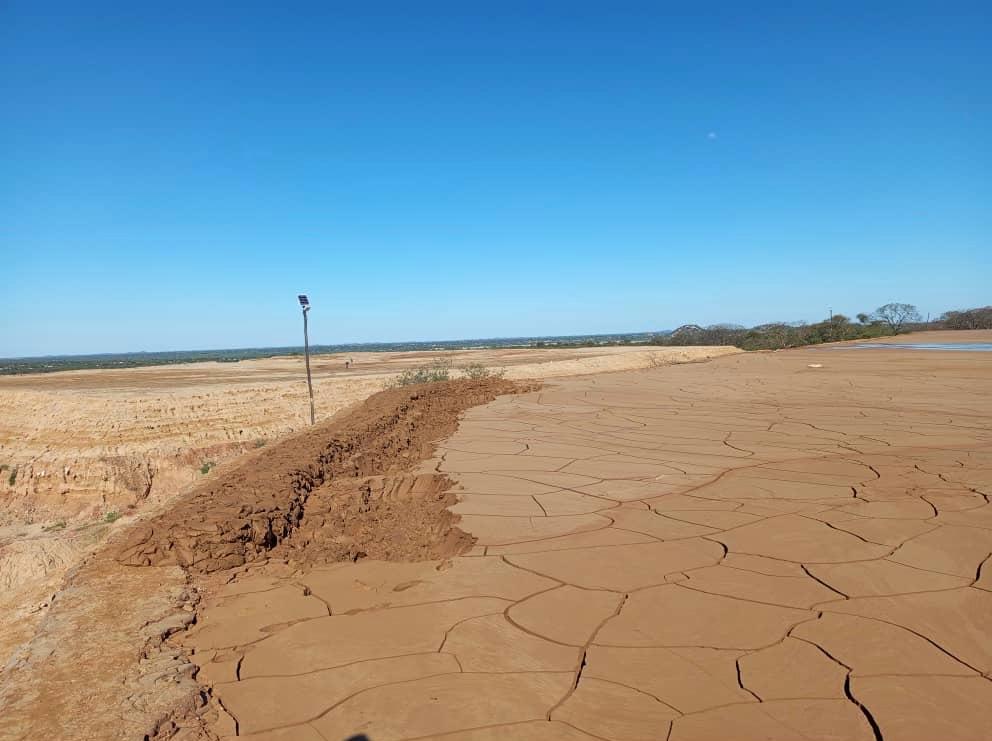
Ngwenya noted the mine claimed to use hydrogen peroxide to neutralise cyanide before disposal and reuse water from their slime dump.
“They showed us chemicals they are using to neutralise the cyanide before they release them into their dam. The manager said where they dump their slime, they believe it does not have cyanide because they mix it with hydrogen peroxide. Where there is cyanide, no trees can grow. But they pointed out that they are planting a lawn, which in their view, their dump has no cyanide,” he said.
“The manager also said they reuse water from the dump. The slime settles down while clear water rises, and they take it back to use at their plant. There will be no cyanide. I don’t know if that is true. We need to verify those claims.”
The councillor also noted the mine had started landscaping measures near its waste dump.
“They said they had started planting lawn and vegetables on their dump to secure the dump from collapsing. They dug trenches around the dump to control water so that it is directed in a safe manner.”
However, the councillor expressed concern that the measures were insufficient during heavy rains.
“Actually, their worst nightmare is when it rains. They can’t control rainwater as it will flow from their dump to the stream. That gives us a challenge. We have to continue testing slime from Nevada to determine whether it meets the specified amount of chemicals that is supposed to be released into the environment,” Ngwenya said.
The councillor said the mine also showed him its incident reporting procedure.
“They showed me their procedure book on how they report when there is a spillage. They are compelled to report to EMA. The manager said they haven’t had any spillage so far. Their major incident was two years ago when the dump collapsed and was reported to EMA, but there was no major contamination. They claim to be open to villagers’ scrutiny, local leadership and are not hiding anything,” Ngwenya said.
Since the mine official said Nevada 24 was “unfairly accused and asked why focus was only on them when there are other miners there,” the councillor said they would investigate whether it is other miners or maybe there is someone spilling acid undetected.