

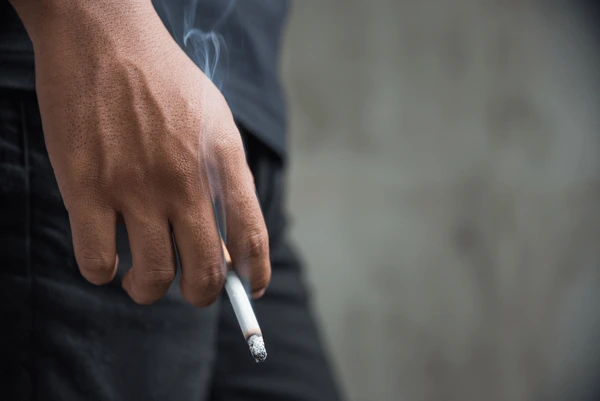
A Zimbabwean lawmaker has urged the government to ban smoking in public spaces to safeguard non-smokers from second-hand smoke and promote public health.
Tabling a motion in Parliament on Thursday, Shamva South legislator Joseph Mapiki warned that passive smoking posed serious health risks if left unregulated.
“Public smoking has a detrimental impact on our citizens, particularly non-smokers. Exposure to second-hand smoke can damage the lining of blood vessels, leading to cardiovascular disease and can also trigger asthma attacks, worsen respiratory symptoms and increase the risk of respiratory infections,” Mapiki said.
He noted that second-hand smoke was linked to sudden infant death syndrome (SIDS) in babies and could worsen conditions such as bronchitis and pneumonia.
“In adults, passive smoking can cause respiratory problems, including chronic obstructive pulmonary disease (COPD), and can also increase the risk of breast cancer in non-smoking women,” he added.
Although Zimbabwe’s Public Health (Control of Tobacco) Regulations of 2002 ban smoking in designated public places, Mapiki argued the laws were limited in scope.
“It does not encompass all public spaces where individuals congregate, leaving gaps in our tobacco control framework,” he said.
The MP called for tighter enforcement measures, including penalties for both smokers and businesses that fail to implement restrictions.
“Without strict laws and enforcement to ban smoking in public areas, passive smoking will remain a significant public health issue. Fines or arrests for public smoking can help deter this behaviour and protect the majority’s right to breathe clean air,” he said.
“We need to establish clear, deterrent penalties for individuals caught smoking in prohibited areas and for establishment owners or managers who fail to enforce the ban. Penalties should include fines, with escalating consequences for repeat offenders, potentially including temporary closure of business.”
Mapiki also urged government to roll out awareness campaigns to prepare citizens ahead of any law.
“Public awareness campaigns and penalties for smokers are crucial to creating a culture that discourages smoking in public. We must develop messages tailored to demographics: health risks for smokers, risks of passive smoking for non-smokers (especially parents), legal responsibilities for business owners and the dangers of smoking initiation for youths,” he said.
Support CITE’s fearless, independent journalism. Your donation helps us amplify community voices, fight misinformation, and hold power to account. Help keep the truth alive. Donate today