

Villagers from Wards 7 and 8 in Matobo have come together to fund a community water project aimed at mitigating the impacts of climate change and improving food security.
The initiative, which draws water from the Semukwe River through sand abstraction, completed its first phase yesterday, allowing several homesteads to access water closer to their homes.
One of the major challenges in the area has been the declining availability and quality of water, a problem worsened by prolonged droughts.
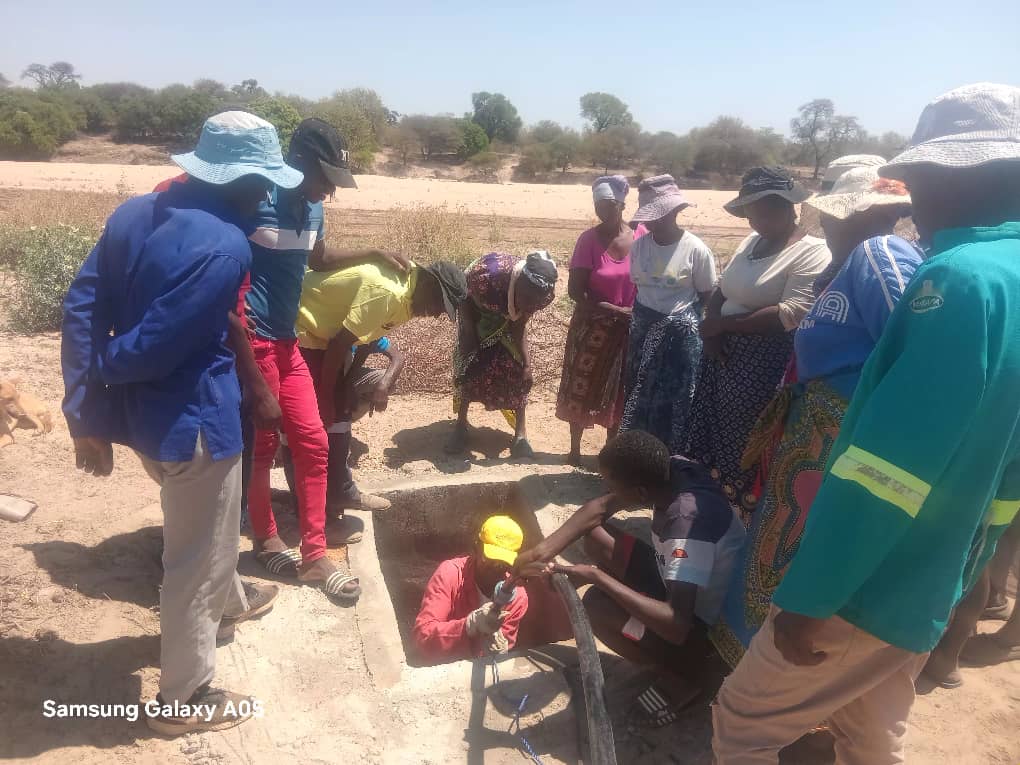
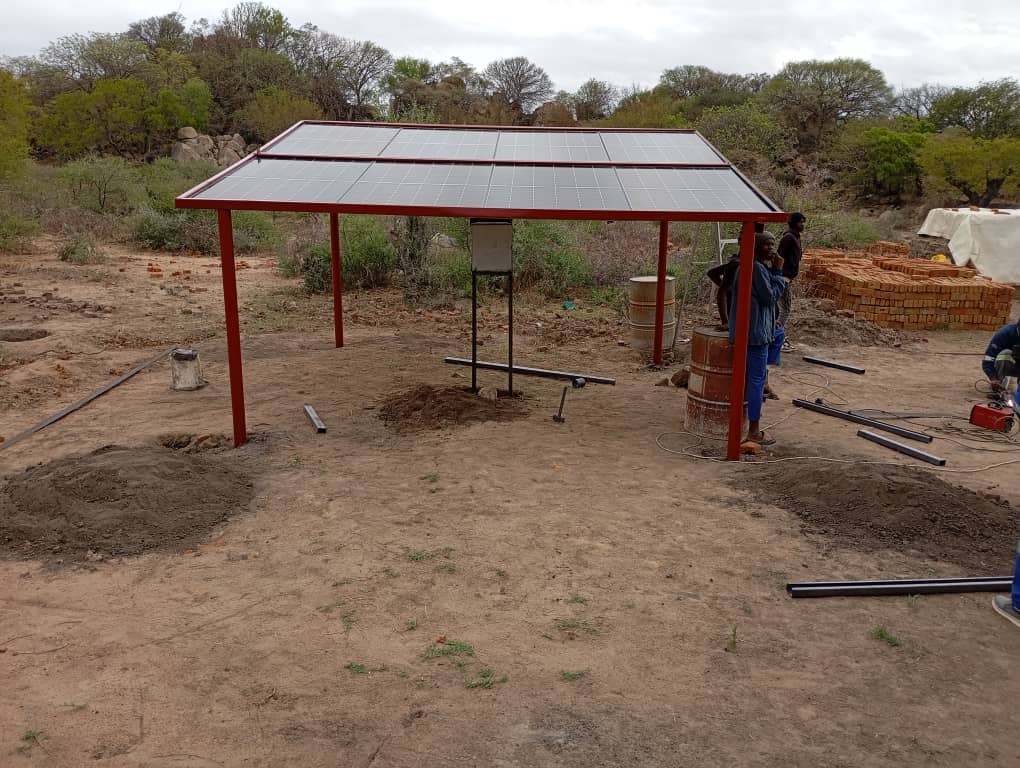
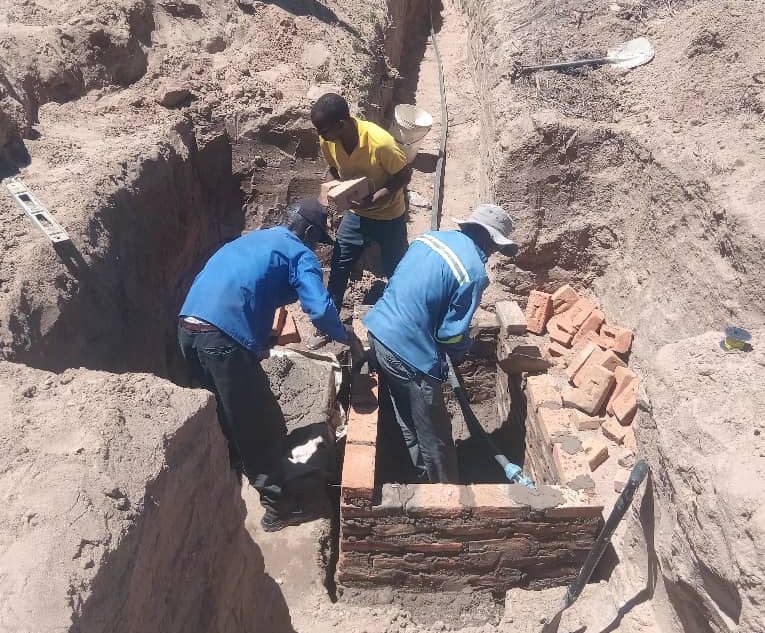
Descent Dube, spokesperson for the Semukwe Community Water Project, said villagers have been contributing funds since last year to make the project a reality.
“In December 2024, I came up with the idea and approached the elders in the community. They welcomed it. We agreed to contribute R400 or US$20 per month. We opened an account in South Africa and have slowly bought our pipes, water tanks, and connections. We have finally finished the first phase, installing our pump and solar system at the first point,” he said.
The second phase will see the installation of water taps in 32 homesteads in Halawuba and Mtsuli villages.
“Many youths are leaving for other countries, and most homesteads are left with the elderly and children. We want to reduce walking distances for water collection and also support household food production for better food security,” Dube said.
He added that the community had suffered poor harvests due to El Niño-induced droughts.
“El Niño has taught us a lot. We now need continuous water availability so people can introduce drip irrigation to save water,” he said.
The project will also help villagers produce food for their families and adapt to the effects of climate change.
“People will be able to produce food in their homesteads, alleviating the impacts of climate change. Many boreholes drilled during the drought are now dry or contain salty water unsuitable for farming,” Dube said.
The community selected the Semukwe River for its consistent water flow, installing a two-horsepower pump, eight solar panels, two water tanks, and a pump inverter to draw water 1.5 kilometres from the river.
“It is very difficult to develop as a community when people are focused on finding water. Access to water is the foundation for investing in schools, clinics, and sustainable development,” he said.
The project is also expected to generate economic benefits.
“Some villagers have arrears in school fees because many families are child-headed. Producing vegetables for sale in nearby towns can help them pay fees,” Dube said.
The initiative operates on a subscription model, with monthly contributions helping to sustain the pumps and formalise the project with the Zimbabwe National Water Authority (ZINWA).
“The project is continuous. People are expected to contribute to sustain it and eventually connect water pipes to every homestead for small-scale irrigation projects starting January 2026,” Dube said.
The project will also benefit livestock, which have suffered during droughts.
“Many livestock died searching for water. Now we have designated points where livestock can drink safely,” he added.
Chadreck Dube, project secretary, said the community plans to expand as funds allow.
“We aim to be food secure and move away from relying on donor support, improving people’s livelihoods,” he said.
Kramer Moyo, the project’s logistics focal person, said the community hopes to diversify into crop and livestock farming.
“We can no longer rely on seasonal rainfall alone,” he said.
Support CITE’s fearless, independent journalism. Your donation helps us amplify community voices, fight misinformation, and hold power to account. Help keep the truth alive. Donate today
Leave a comment