

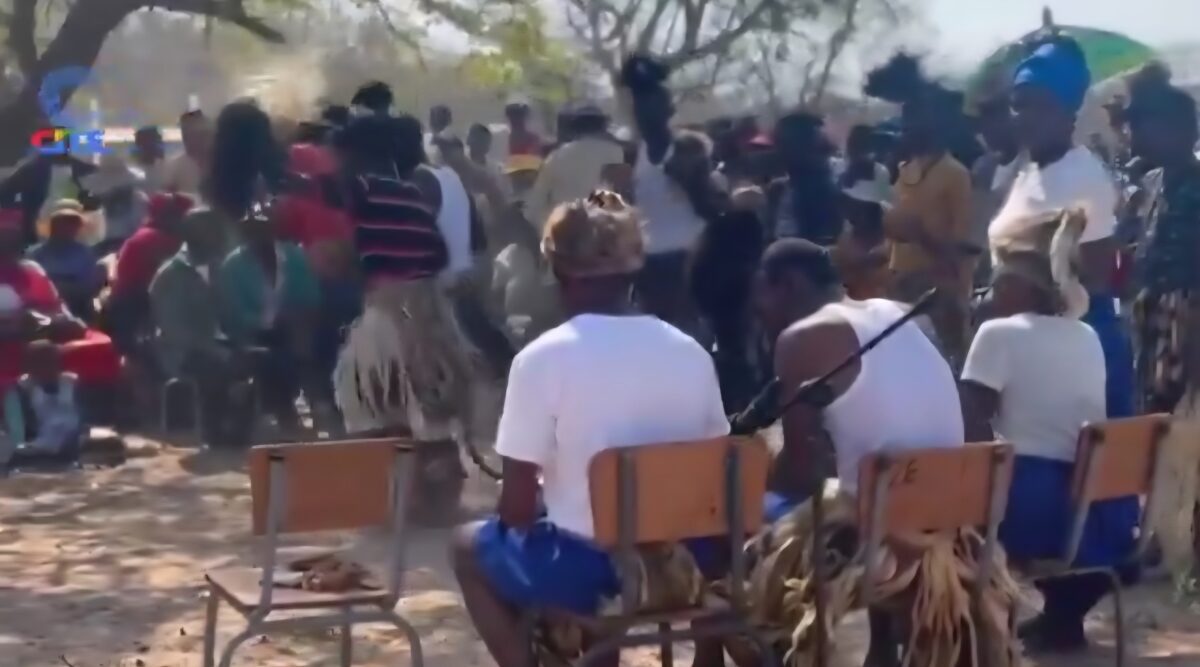
The two-day Luswingo Cultural Festival concluded on a vibrant note in Plumtree on Saturday, with community elders commending young people for actively participating in the celebration of Kalanga traditions.
The annual festival featured traditional dances, music, and cultural dishes, drawing large crowds eager to celebrate the rich heritage of the Kalanga people.
Local villager Kobi Ncube described the event as a “cultural resurrection” for the community.
“This is a very important day, a historic day actually that we all respect as Kalanga. We are very happy, it shows us who we are and where we are coming from. It gives us life because that is where our identity is. If you don’t have an identity, you are a lost sheep, that is why we are here to culturally resurrect our system,” he said.
Ncube said the event was crucial in helping young people understand and take pride in their roots.
“This event builds young people, it makes them aware of where they are coming from. Without that, they are a lost generation. I am happy that they are the majority in this event, so that they can be culturally involved and know who they are,” he said.
Matric Ndebele, a student from Tokwana High School, said attending the festival helped learners connect with their history.
“We managed to see the dances and visit the Luswingo ruins, all this is important in our history,” she said.
Villager Albert Nleya said the community prepared traditional food to mark the closing day of the festival.
“Today is the last day of Luswingo. As Kalanga, we celebrate our culture, we showcase our food, dances, and our Kalanga language. Villagers cooked isimoni, umxhanxa, isitshwala senyawuthi and vegetables. People will also visit the mountain (Luswingo) where the Kalanga king used to stay,” he said.
Nleya added that the recognition of the Kalanga language had strengthened cultural preservation efforts.
“At the moment, the Kalanga language is recognised. It’s being taught in schools and there’s now a Kalanga dictionary. We are happy that the youths are participating, they are learning how we dance and how to cook traditional food,” he said.
Senior Village Head Agrippa Mfazo echoed the importance of such events in preserving language and heritage.
“Everything was in Kalanga, the food, the culture. Children are no longer able to speak fluent Kalanga without mixing languages, so having such programmes is important. They no longer know the dramas that used to be performed here. There’s also a book written in Kalanga, all meant to help the youths,” he said.
Festival chairman Sotsha Moyo expressed satisfaction with the success of the event and the enthusiasm shown by young people.
“The event went well. What made me happy is the youth participation, both in performance and as spectators. This shows that the future is in good hands,” said Moyo.