

By Nokuthaba Dlamini
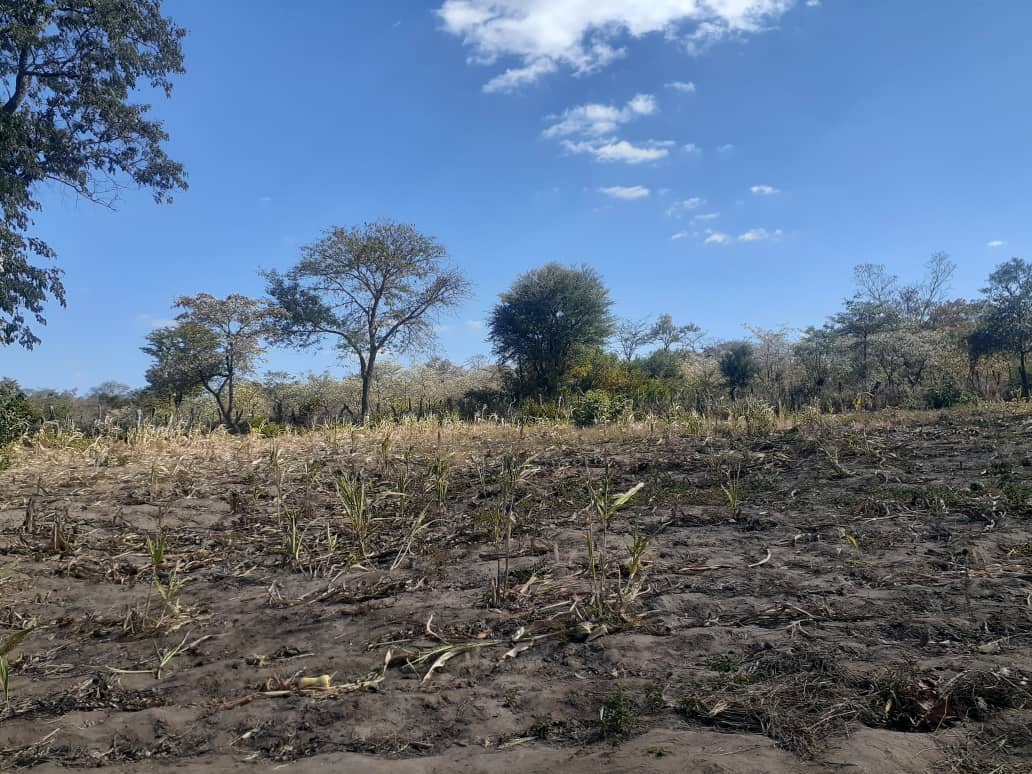
In the rural villages of Lupane district, Matabeleland North, the effects of climate change are hitting hard. For generations, families depended on farming for survival, but increasingly unpredictable weather has left many unable to cope.
This year, severe drought linked to the El Niño phenomenon has worsened the situation, devastating harvests and forcing households to change their way of life.
Zimbabwe has long grappled with drought, but the Meteorological Services Department (MSD) warned ahead of the 2023–2024 farming season that rainfall would be below normal. For communities in Lupane, where subsistence agriculture is the mainstay, the outlook has been bleak.
“We used to plant maize, but now we’ve had to shift to small grains like sorghum and millet,” said villager Sithembile Ncube, from Gwai resettlement.
“It’s not what we’re used to, but we have no choice. The rains just aren’t reliable anymore.”
For others, even these adaptations have not been enough. Shelter Vengesai Mpofu described her family’s worsening struggle.
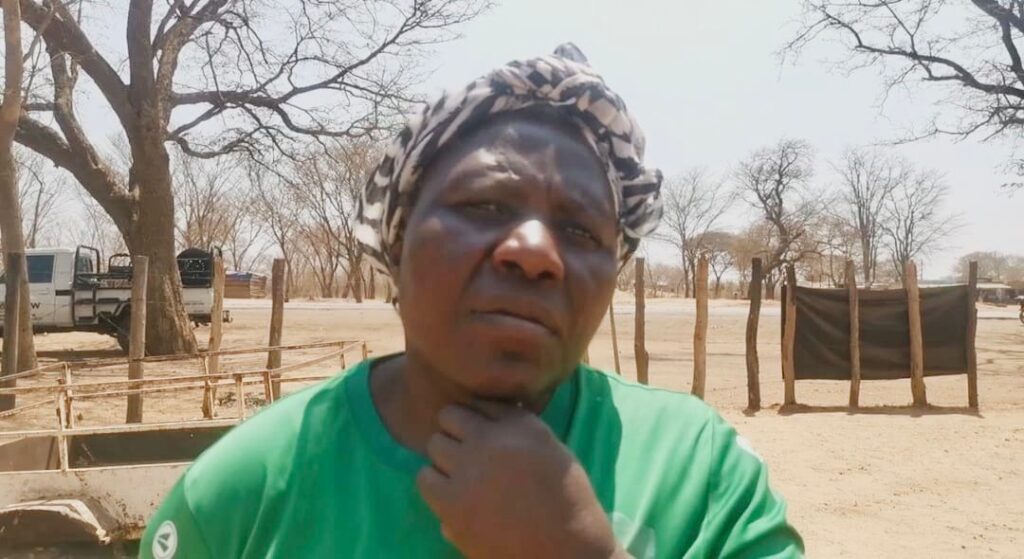
“We’re struggling to make ends meet because our crops keep failing. We plant, and then the rains don’t come. Or they come too late, and our plants have already withered away. As we speak, since 2023, we have been surviving on buying grains as far as Harare because we are not harvesting anymore, and that makes it difficult for us to even prepare for this year.”
The lack of reliable climate information has deepened frustrations. Thandekile Sibanda, another villager, said:“We don’t know what’s happening with the weather. We plant by November and then we’re caught off guard when the rains don’t come. If we had better information, we could plan better and avoid these losses. We used to have humanitarian aid giving people food from USAID, but since it got stopped, we have no other means of getting help, and social welfare assistance also ceased earlier this year.”
Beyond farming, climate pressures are reshaping local economies. Coster Nyoni, from Gwai Pottery Village, explained how his income has collapsed.
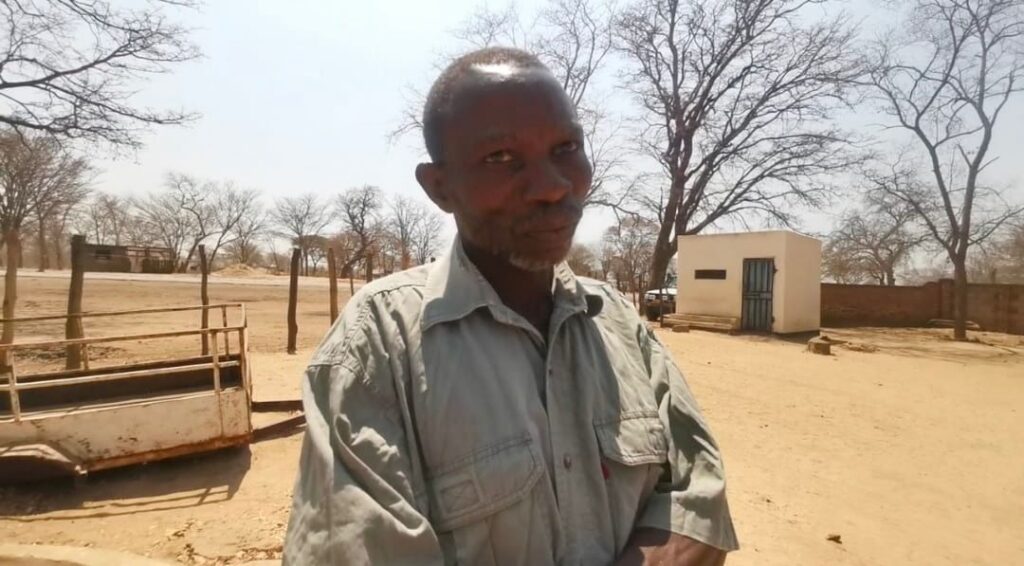
“Things are tough. I used to sell pottery flowers here to survive, but that market has dried up, making it difficult to even provide for my family. People here are poor, and with climate change, which we still don’t understand how it came about or when it will end, it becomes difficult to prepare.”
Amid worsening drought, conservation groups say protecting natural resources is vital for long-term resilience.
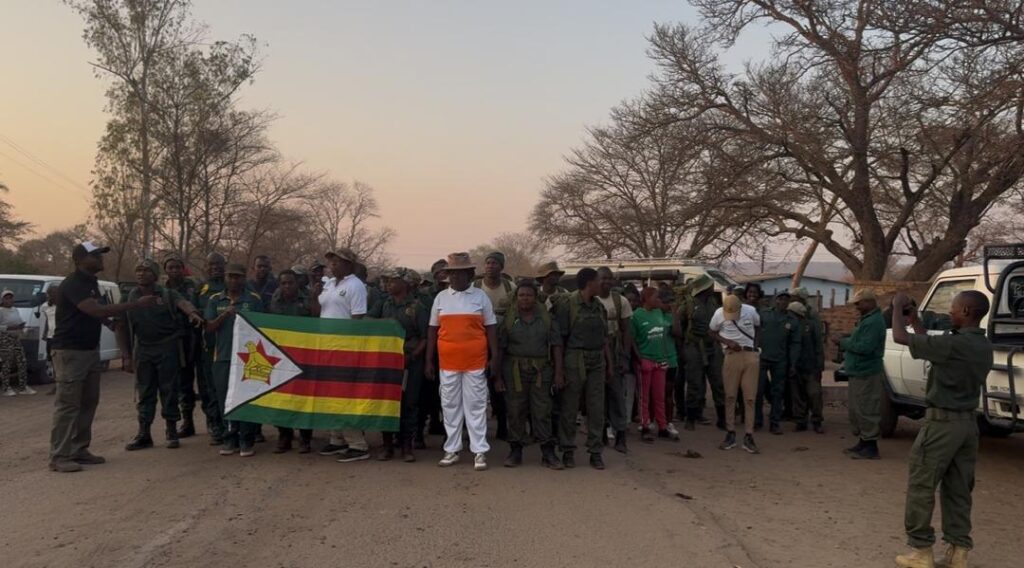
Recently, the Wildlife Ranger Challenge was held at Gwai Valley Primary School, organised by Painted Dog Conservation. The 21-kilometre run highlighted the role of rangers in safeguarding ecosystems under threat.
“Conservation means we’re all pushing in one direction,” said David Kuvawoga, Operations Director at Painted Dog Conservation. “We share a common vision: this landscape, with all its wildlife, must thrive. We want wildlife to flourish not just for us, but for our children and grandchildren.”
Traditional leaders echoed the call for balance between communities and the environment. Headman Doctor Ncube, representing Chief Nelukoba-Dingane, said: “As traditional leaders, we have to protect our natural resources for the future generations. If we fail to safeguard it, we might lose our wild animals, precious minerals, and wetlands which will increase the drought we are already faced with…What is key is for communities to see the value of protecting these animals through the economic emancipation so that we alleviate the drought already ravaging our communities due to climate change.”
The MSD has warned that conditions may remain volatile. While another dry spell is expected in northern Matabeleland, the department also says tropical cyclones could strike during the 2025–2026 rainy season, particularly threatening flood-prone areas.
Forecasts from the Famine Early Warning Systems Network (Fews Net) suggest a weak La Niña will likely bring normal to above-normal rainfall across Zimbabwe between October 2025 and March 2026.
Support CITE’s fearless, independent journalism. Your donation helps us amplify community voices, fight misinformation, and hold power to account. Help keep the truth alive. Donate today
Leave a comment