

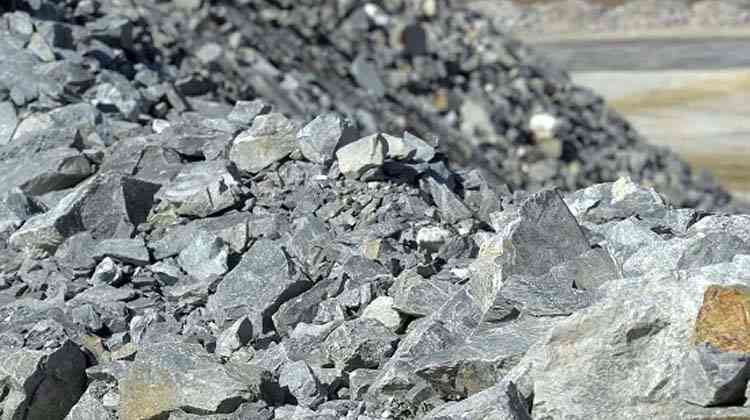
A new report by the Zimbabwe Environmental Law Organisation (ZELO) has raised alarm over deepening water conflicts in the country’s lithium-rich regions, warning that the rapid expansion of mining and processing operations is placing unbearable pressure on already water-scarce rural communities.
The report, Mine to Market: Critical Minerals – Zimbabwe’s Lithium Supply and Value Chain, maps key actors and activities across the lithium industry and highlights growing tensions between mining companies and residents in areas such as Bikita, Gwanda and Buhera, where lithium extraction is accelerating.
According to ZELO, most large-scale lithium projects are located in Zimbabwe’s driest agro-ecological zones (IV and V), characterised by low rainfall, high temperatures and chronic water shortages.
The organisation said mining companies urgently need to implement water-demand management systems, recycle process water and provide community boreholes where feasible.
“Collaborative water governance can reduce tensions between communities and lithium producers, especially in water-stressed regions such as Bikita, Gwanda and Buhera,” the report notes. “Given the significant water requirements for lithium extraction and processing, mining companies and processing plants should develop and implement water-demand management systems and environmental due-diligence mechanisms.”
ZELO said such measures would help reduce conflicts over water access, ensure sustainable resource use and protect local ecosystems.
During field visits, communities living near large-scale lithium mines consistently voiced concerns about shrinking access to water.
“Most of Zimbabwe’s lithium extraction and processing operations are in arid and semi-arid regions … characterised by low and erratic rainfall, high evapotranspiration rates and chronic water scarcity,” the report states.
Processing lithium-bearing minerals, particularly spodumene, is highly water-intensive, requiring large volumes for crushing, flotation and concentration. ZELO said this creates significant environmental and social challenges in communities where both households and livestock depend on limited water sources.
Residents in several areas reported declining borehole yields, seasonal shortages and reduced water availability, impacts they attribute to nearby mining activities.
Beyond scarcity, ZELO warned of growing concerns over groundwater contamination from potential leakages or failures of tailings dams.
“Such incidents could release toxic effluents and chemical residues into local water bodies, with long-term consequences for ecosystems, human health and livelihoods,” the report says.
It cites the Ganzizhou Rongda Lithium Mine disaster in Tibet, where chemical leaks contaminated the Liqi River and killed livestock, as a stark example of the risks associated with weak environmental oversight.
ZELO said this underscores the urgent need for robust water-governance frameworks, transparent Environmental Impact Assessments (EIAs) and continuous monitoring of surface and groundwater in lithium-producing regions.
Some lithium companies have responded to the rising pressures by drilling boreholes and recycling water. But ZELO warned that excessive borehole drilling can alter local water tables, potentially reducing long-term availability for communities.
In Gwanda, one company drilled boreholes in a dried-up dam it owns to supplement its water supply. While some nearby households benefit, ZELO said the impact is limited because the boreholes are far from most homes.
At Arcadia Mine, operated by Prospect Lithium Zimbabwe, water is drawn from Nero Dam, which was historically used for irrigation by local farmers. As water levels decline, the company now plans to construct a pipeline to Grinoki Dam in Ward 15.
KMC representatives also said they recycle water from slime dams and have introduced Environmental, Social and Governance (ESG) programmes to address community concerns.
ZELO warned that as companies expand operations, water demand will rise sharply.
“Given the dual pressures of water and energy scarcity, compounded by climate change and falling lithium prices, it is imperative for Zimbabwe to critically assess its readiness to move up the lithium value chain,” the organisation said.
It cautioned that pushing for more in-country processing without addressing fundamental resource constraints could worsen environmental stress and fuel social tensions.
Support CITE’s fearless, independent journalism. Your donation helps us amplify community voices, fight misinformation, and hold power to account. Help keep the truth alive. Donate today