

By Retired Major Irvine Sibhona
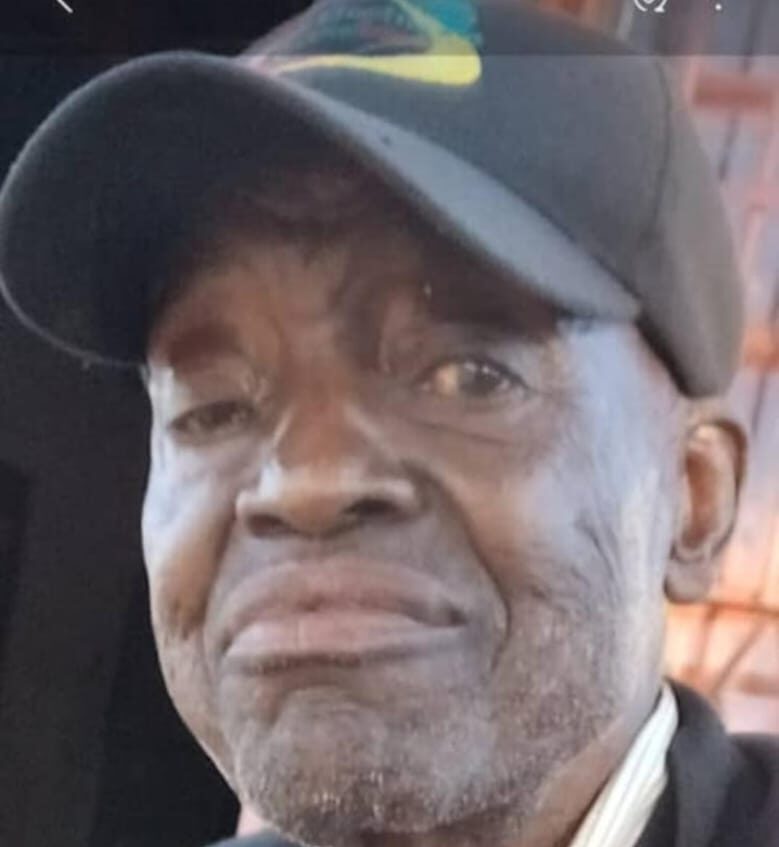
Soft Magarasadza, a former ZPRA liberation war commander who directed key operations in northern Zimbabwe during the war of independence, has died.
He was 76.
Born Elson Mupamawonde in 1950 in Bikita, he joined the liberation struggle in the early 1970s, initially using the Chimurenga name Cde Dhuurani before adopting the name Soft Magarasadza, also known as Thulani Mlotshwa.
He trained in 1973 and 1974 in Morogoro, alongside several future senior commanders, including Philip Valerio Sibanda, Richard Mataure Ngwenya, Douglas Male and Assaf Ndida.
After completing his training in Tanzania, he was sent to the Soviet Union where he specialised in artillery.
In 1976, during the ZIPA period, he was deployed to Mozambique and operated in Gaza Province under a Zanla commander known as Makasha. Upon returning later that year, he was assigned to the Kariba operational zone, then code-named BL1.
By 1978, following a restructuring of forces, Magarasadza had risen to become commander of North Front 2 (NF2), with his tactical headquarters based in Chinjiri. His area of responsibility covered Kariba, Hurungwe and Makonde, extending to Zvimba and Mondoro, and bordering North Front 3 to the west and the Gokwe area. He was seconded by Tony Nyathi, who served as his commissar.
During his command, he oversaw a series of operations widely cited in accounts of the war. These included the June 1977 attack on Kariba town involving heavy weapons, the targeting of aircraft using anti-aircraft missiles in 1978 and 1979, and operations against oil storage tanks in Salisbury in 1978. His forces also carried out repeated sabotage of electricity infrastructure across areas including Chitomborwizi, Murombedzi, Msengezi and parts of what is now Harare province.
In August 1979, then deputy chief of operations Richard Mataure Ngwenya was dispatched from Lusaka to assess the northern front’s operational capacity. Following reassessment, the area under Magarasadza’s command was deemed ready for the deployment of regular forces into the Kariba basin.
At the end of the war in 1980, he assembled his troops at an assembly point known as Romeo, near Chitomborwizi in the Chinhoyi area, in preparation for the transition to independence.
Magarasadza went to war alongside his brother, Goronga Magarasadza, who died in October 1978 following a bombardment at the front.
Little is publicly known about his professional life after independence. He settled in the area where he had operated during the war and remained in contact with former comrades.
Magarasadza’s final word was “Taneta”, “we are tired”,which he is said to have used to reflect on the unfinished work of the liberation struggle. He has died in poverty, but he remained silent, and the country he worked so hard for failed him. He died silently. He will be remembered as one who fought harder than most. He passes on living behind a family in distress.
“We, the people of Zimbabwe, extend our deepest condolences to the Mupamawonde family on the passing of Comrade Elson Mupamawonde (Comrade Soft Diet Magarasadza) on March 3rd, 2026.
Comrade Soft Diet Magarasadza selflessly served our nation during the liberation struggle. We recognize his contributions and those of all veterans who fought for our freedom.
The suffering of his family, particularly his wife who’s been battling stroke for 8 years, is a stark reminder of our collective responsibility. We urge the government and well-wishers to support the family financially and with necessary services in this difficult time.
Let’s come together to honor Comrade Soft Diet Magarasadza’s legacy and ensure his family gets the support they deserve. 💔”