

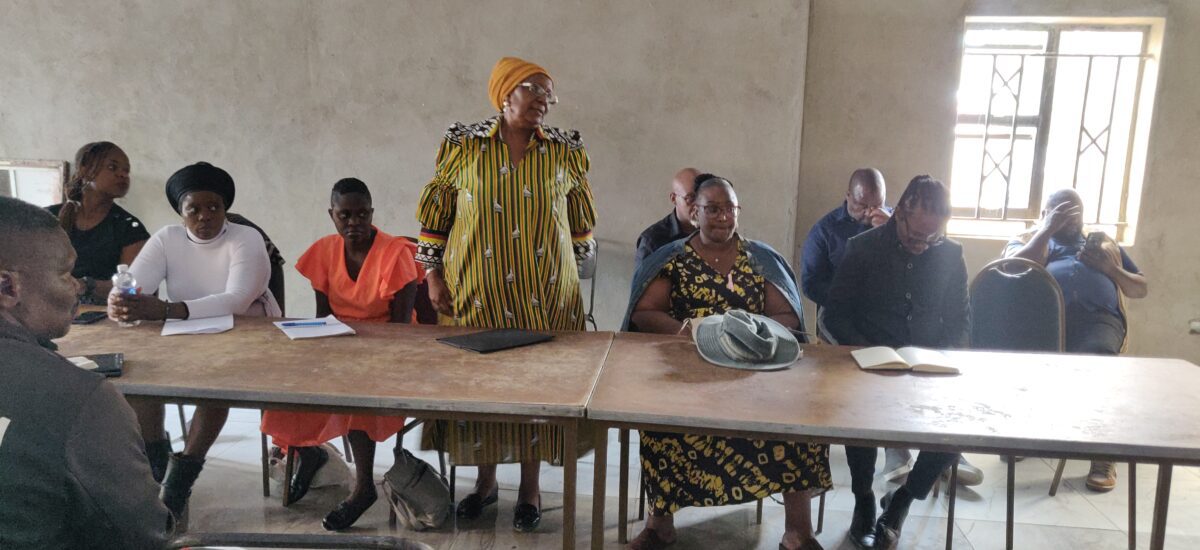
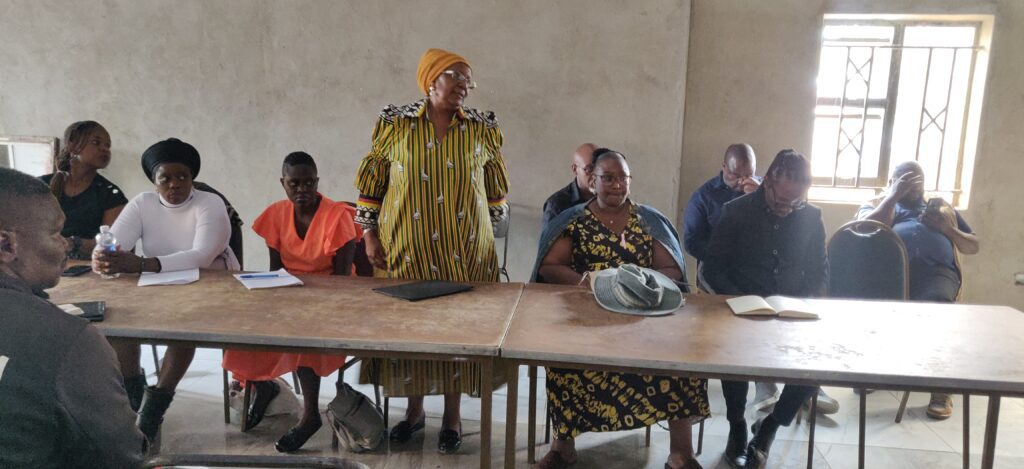
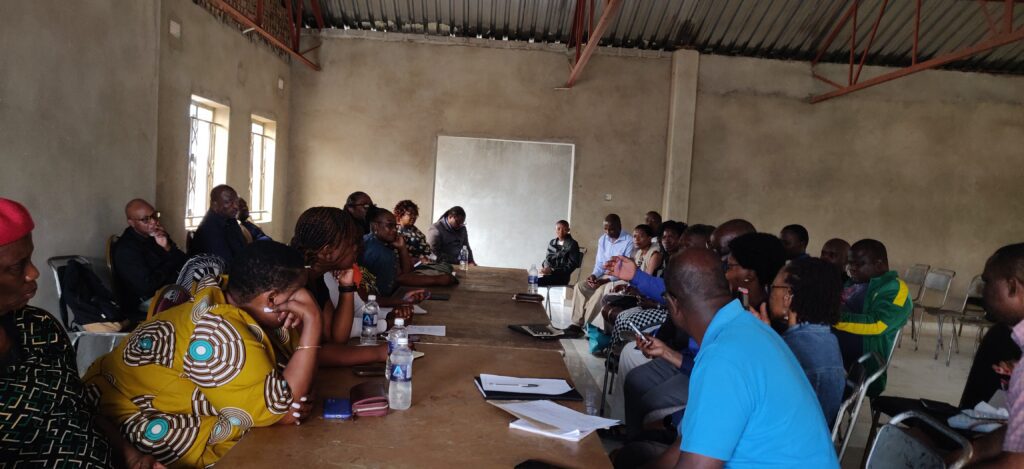
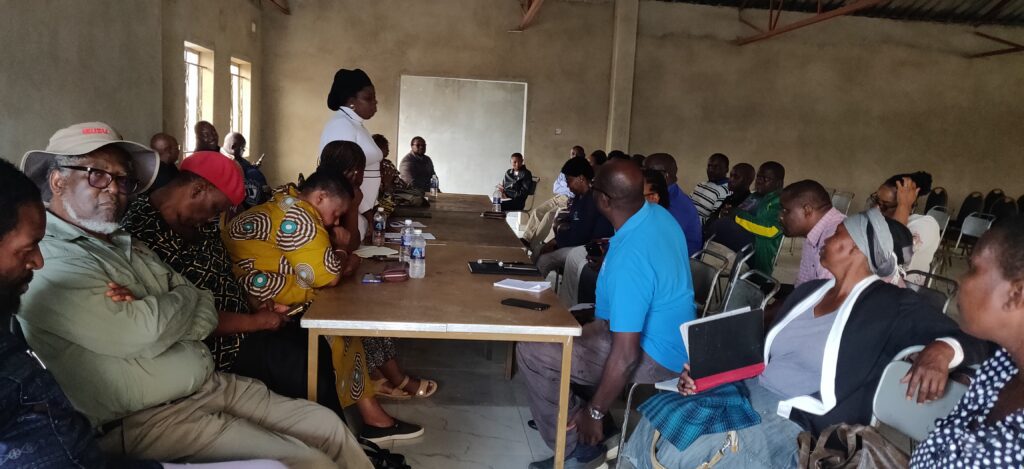
A lack of public awareness about the proposed Climate Change Management Bill stalled a parliamentary hearing in Tsholotsho on Thursday, exposing gaps in communication and citizen engagement on one of the country’s most pressing environmental issues.
The hearing, part of a nationwide consultation process on the Bill, was marred by confusion as participants admitted they were unfamiliar with the contents of the proposed law, which aims to guide Zimbabwe’s national response to climate change.
Curiously, Bulawayo, one of the country’s most urbanised and climate-affected regions, was not included in the public hearing programme.
The Climate Change Management Bill of 2025 seeks to mainstream climate considerations across all sectors of the economy, regulate greenhouse gas emissions, promote low-carbon development, and introduce a framework for carbon trading.
It also outlines plans for a Designated National Authority (DNA) and a National Climate Fund to finance adaptation and mitigation initiatives in line with Zimbabwe’s commitments under global agreements such as the Paris Agreement and the UN Framework Convention on Climate Change (UNFCCC).
However, in Tsholotsho, community members said they had not been adequately informed about the Bill ahead of the meeting. Many called for it to be simplified and made accessible in local languages.
When residents asked the Parliamentary Portfolio Committee to explain key aspects of the Bill, Committee Chairperson Senator Prisca Mupfumira said the lawmakers were only there to collect views, not to interpret the legislation.
“We were here to get views from the people. The law doesn’t allow us to read out the Bill,” said Mupfumira. “We have noted that the Bill did not reach the public. We have therefore left a copy with the Rural District Council and tasked them to circulate it, reconvene the meeting, and gather community feedback to be submitted to Parliament.”
The Committee also shared contact details and email addresses to allow residents to submit their views directly to Parliament.
Despite the setback, some participants used the platform to raise broader climate concerns. Melusi Ngwenya from the Organisation of Rural Associations for Progress (ORAP) urged policymakers to prioritise water harvesting and sustainable agricultural practices.
“As an organisation, we are promoting agro-ecology and environmental restoration,” he said. “Climate change has hit us hard, and we are developing resilient strategies that ensure we harvest and conserve as much water as possible.”
Mehluli Ndlovu from Plan International highlighted the social consequences of climate change, particularly for children.
“Some children drop out of school because flooded rivers prevent them from crossing to reach classrooms or access social services,” Ndlovu said. “The Bill should address these vulnerabilities.”
The hearing ended prematurely after heavy rains disrupted proceedings
Support CITE’s fearless, independent journalism. Your donation helps us amplify community voices, fight misinformation, and hold power to account. Help keep the truth alive. Donate today