

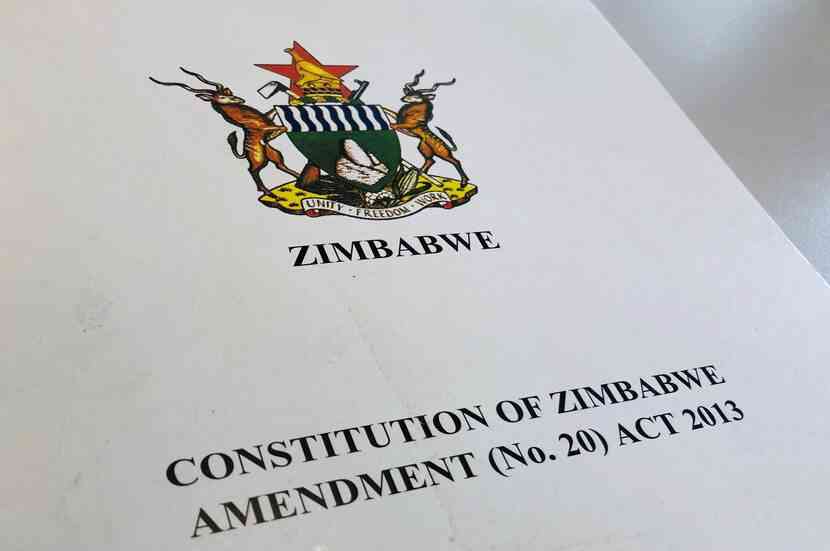
The Constitution of Zimbabwe Amendment Bill (No. 3) has triggered fresh anxiety in Matabeleland, with some critics warning that key clauses could weaken efforts to secure justice for victims of the Gukurahundi massacres.
Clauses 18, 19 and 22 of the Bill seek to restructure and consolidate several independent commissions established under the 2013 Constitution. Legal experts and civic groups say the changes could dismantle institutions specifically created to address historical injustices, including Gukurahundi.
The massacres, carried out in the 1980s in parts of Matabeleland and the Midlands, left thousands of civilians dead. Survivors have long called for truth-telling, accountability and reparations.
At the centre of the debate is the fate of the National Peace and Reconciliation Commission (NPRC), which was mandated to deal with post-independence conflicts, including Gukurahundi. Critics say proposals to repeal the NPRC and the Zimbabwe Gender Commission would effectively cancel the institutional framework designed to address past abuses.
The NPRC’s mandate included promoting national healing, facilitating dialogue and ensuring justice for victims of political violence.
However, the government has previously argued that efforts to address Gukurahundi are already underway outside the NPRC framework. President Emmerson Mnangagwa has endorsed a traditional leaders-led programme, under which chiefs in Matabeleland are spearheading community-based hearings and consultations aimed at fostering truth-telling and reconciliation. Authorities say the process is designed to provide a culturally sensitive platform for affected families to share their experiences and seek closure.
Speaking on the sidelines of a roundtable discussion on the Bill, Dr Bekezela Gumbo said merging oversight bodies risked sidelining unresolved grievances.
“This raft of constitutional amendments means, for the vast majority of the people in Matabeleland, it seeks to cancel the process of resolving the Gukurahundi atrocities, given the fact that it has altogether cancelled the commission that was responsible for that without even getting closer to resolving those issues,” he said.
He argued that combining oversight institutions would make it harder for civil society groups to hold the government to account.
“We have to understand that the reason why we have these commissions is because people had grievances against those who are in power,” he said. “The fact that they are crowding issues under one commission means that very few issues will be meaningfully attended to.”
Dr Gumbo called on civil society organisations to unite in opposing the amendments, saying Zimbabweans had a constitutional right to freedom of expression.
“I think this is time for people of Zimbabwe, for civil society in particular, to come together and speak in one voice against these constitutional amendments that seek to shrink the civic space,” he said.
However, some critics argue that the NPRC was already a transitional body whose lifespan was limited.
Under Section 251 of the 2013 Constitution, the NPRC was established as a 10-year transitional mechanism, running from 2013 to 2023. Its term officially expired on 5 January 2023.
In 2019, Masvingo High Court judge Justice Joseph Mafusire granted an order compelling President Emmerson Mnangagwa and Justice Minister Ziyambi Ziyambi to ensure the commission operated for an effective 10 years, following delays in enacting legislation to operationalise it.
The ruling meant the NPRC’s lifespan would run until 5 January 2028.
In 2023, Mr Ziyambi told Parliament that his ministry was working on transferring the functions of the NPRC to the Zimbabwe Human Rights Commission (ZHRC), arguing that its term could not be extended beyond constitutional limits without amending the Constitution.
Supporters of the amendments say streamlining commissions could improve efficiency. But in Matabeleland, where the wounds of the 1980s remain raw, many fear the changes could close off one of the few formal avenues for addressing a painful chapter in Zimbabwe’s history.
Support CITE’s fearless, independent journalism. Your donation helps us amplify community voices, fight misinformation, and hold power to account. Help keep the truth alive. Donate today