

It’s dawn in Bulawayo, and a small team is already on the road. Their mission? To save pieces of Zimbabwe’s history before they fade away.
In 2025, the ZPRA Liberation Archives team logged thousands of kilometres across Zimbabwe, seeking out liberation war veterans in remote villages and bustling townships alike.
With camera gear and notebooks in tow, they knocked on doors of humble homesteads and listened to living legends recount their stories of the liberation struggle.
Each trip was a race against time, an effort to digitally preserve memories of the Zimbabwe People’s Revolutionary Army (ZPRA) and ensure future generations can hear these stories firsthand. For history lovers, this year-long journey offered a rare window into untold tales of courage, sacrifice, resilience, and also betrayal and disappointment.
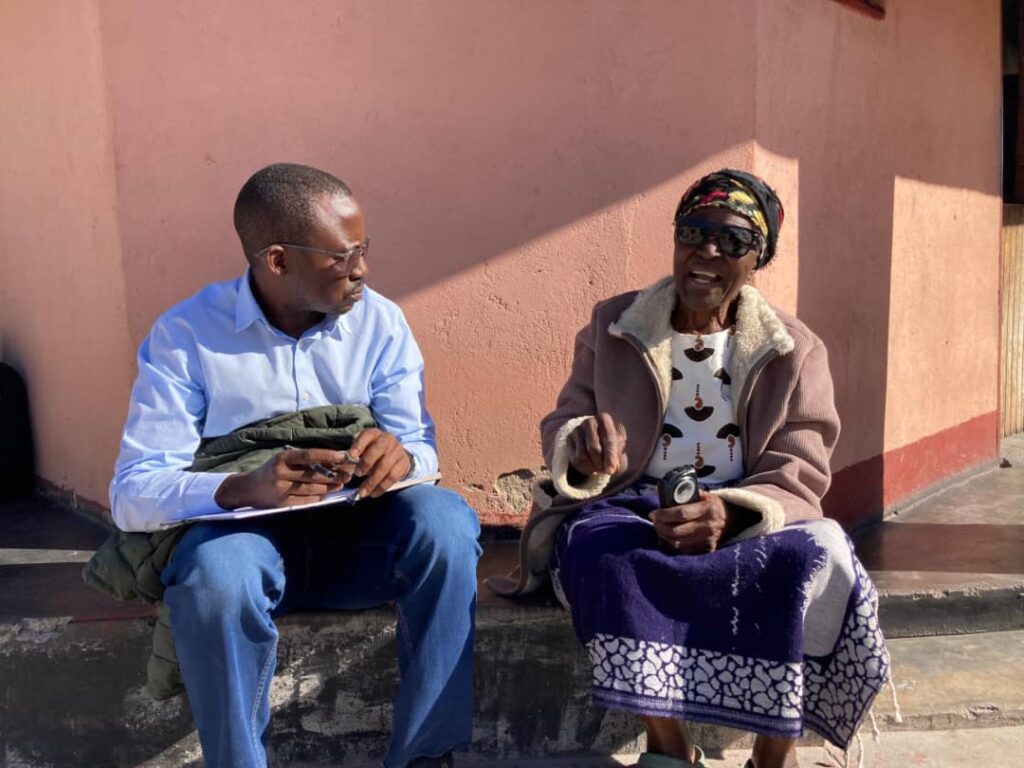
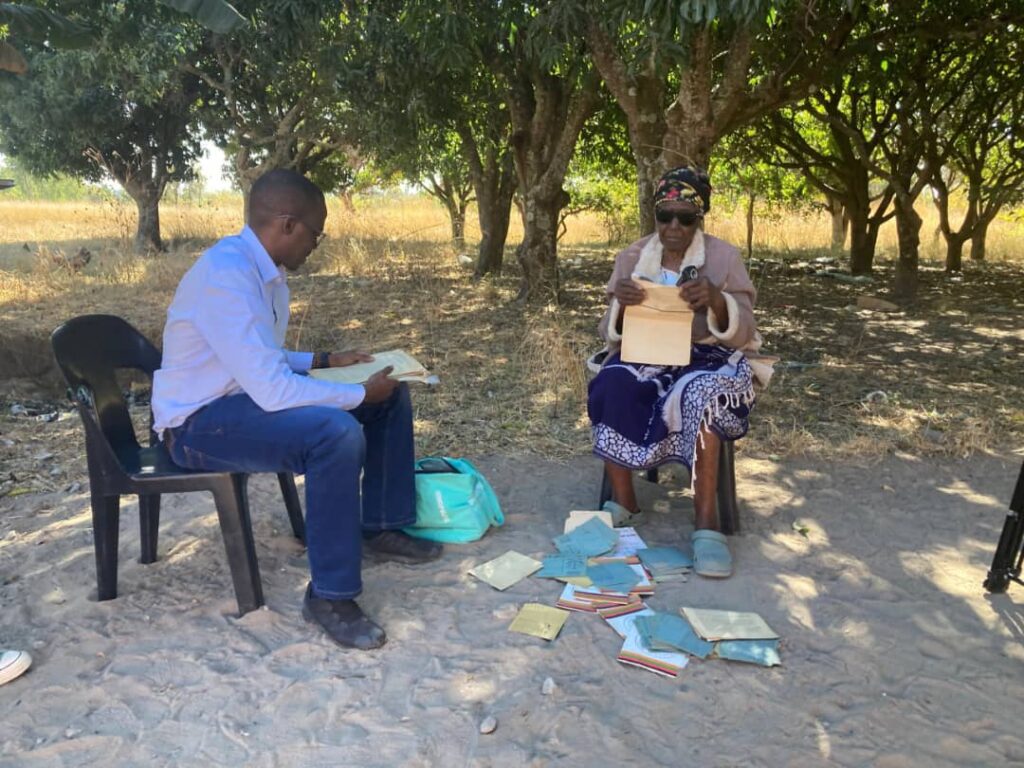
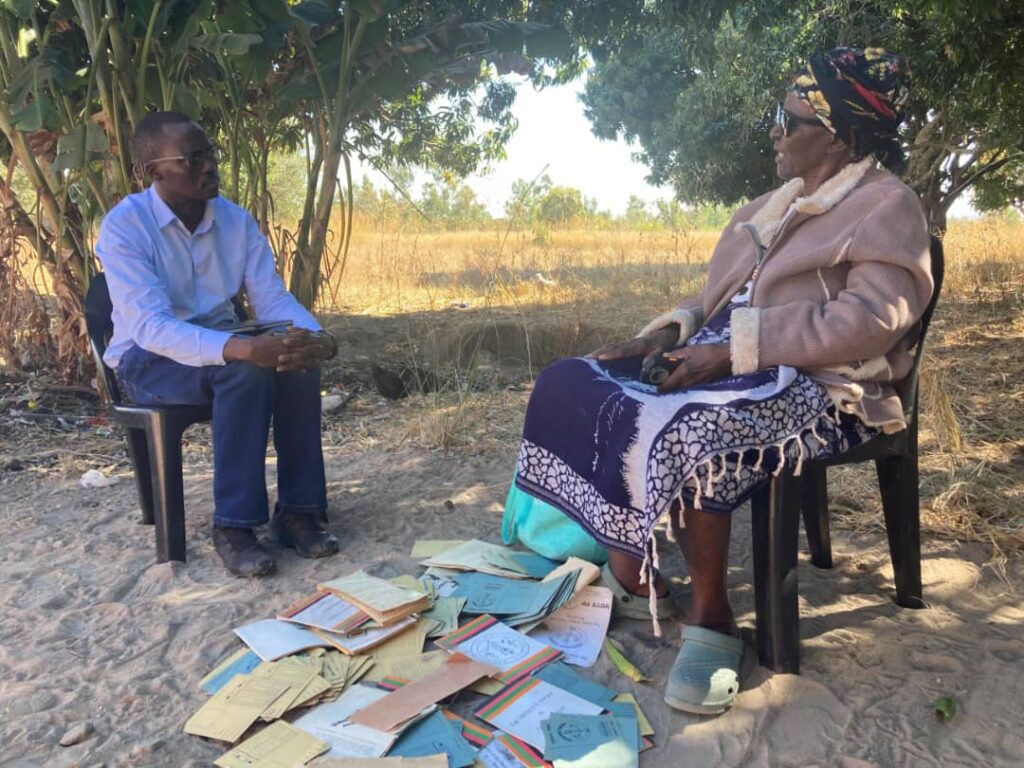
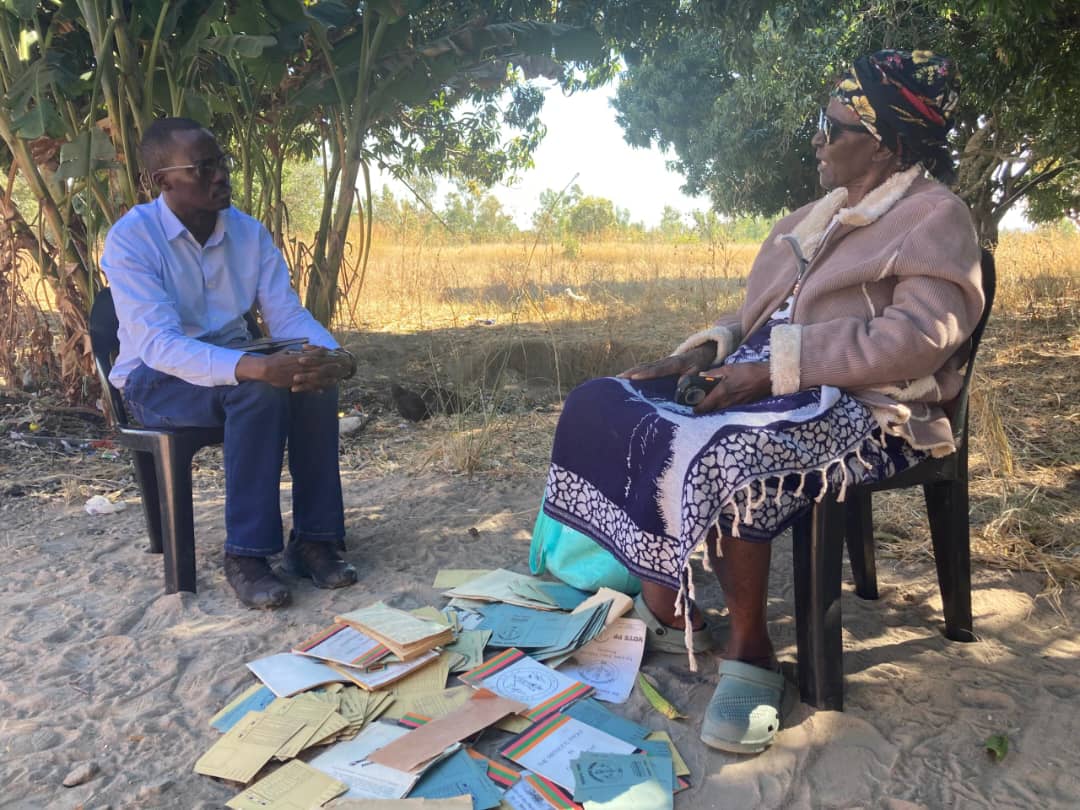
The highlights for the year were the August trip to Zvimba District in Mashonaland West to interview Gogo Julia Gowo, a 91-year-old grandmother who had quietly supported the liberation struggle in the 1960s and 1970s, and the drive to Osabeni Village in Mangwe District where we met Seven Dube, the legendary Isotsha Eliphethu Mntwana. Arriving at Gogo Julia’s homestead to find her proudly clutching a long-treasured Joshua Nkomo “Father Zimbabwe” badge was heart-warming and a sign we were about to capture a priceless testimony.
Seven Dube was famously photographed holding a baby he had saved from a bombed camp in Zambia towards the end of the liberation war, earning the nickname Isotsha eliphethe umntwana (The Soldier Carrying/Cuddling the Baby). Meeting this quiet, soft-spoken ex-combatant whose iconic picture symbolised the drive behind his comrades’ sacrifices was a very humbling experience.
These were just two of many exciting expeditions. The team crisscrossed provinces, from the bone-rattling dirt roads of Nkayi to the tarred lanes of Zvimba, all in pursuit of history. We ventured wherever stories led us, be it a distant village or a city suburb. Each stop brought us face-to-face with a veteran or witness eager to share memories. Village courtyards became open-air studios. These trips were not glamorous as they involved long hours, potholes, dust, but they were pilgrimages of remembrance.
By traveling to people’s doorsteps, the ZPRA Archives crew earned trust and access to personal archives: old photographs, medals, letters, and vivid recollections that might never have surfaced otherwise. The road trips made history feel real and local, uncovering stories hidden beyond the well-trodden paths of official narratives.
Once on site, the team’s priority is simple: let the veterans do the talking. In 2025 the ZPRA Liberation Archives recorded over 100 interviews with those who lived the liberation war. Many of these individuals had never been publicly interviewed before. Some were former guerrilla fighters; others were unsung civilians who aided the cause. Every interview felt like opening a time capsule. For instance, Gogo Julia Gowo’s voice rang out with clarity as she described smuggling food to guerrillas and keeping ZAPU party materials hidden during crackdowns. Despite her age, she spoke with energetic conviction: sharp, strong, and full of life, a living archive of Zimbabwe’s liberation struggle.
The project also shone a light on overlooked heroes. Viewers heard from women fighters and supporters who had ‘carried the weight of the struggle alongside their male counterparts,’ yet seldom found their names in history books. One episode honoured these women’s contributions, ensuring their bravery is acknowledged as an integral part of Zimbabwe’s freedom story. In another interview, a veteran known by his war name “White Tshuma” (Mceliseni Ncube) recounted his journey as a young freedom fighter from training camps abroad to guerrilla operations at home.
Other memorable interviews featured the likes of Hebert “Va Nkomo” Nkomo (nicknamed Eat Rugare), who shared gripping battlefield anecdotes, and Susan Ncube (war name Nokuthula Ndlovu), a female ex-combatant who described the camaraderie and challenges of life in the camps. Each story added a new patch to the rich quilt of Zimbabwe’s liberation history.
What made these encounters powerful was the emotion and detail the storytellers conveyed. Veterans spoke not only of battles and sacrifices, but also of everyday acts of solidarity such as the meals villagers cooked for fighters, the songs that lifted weary spirits, and the coded messages that kept everyone one step ahead of the enemy. As one listener remarked, these were ‘true untold stories that unite us as people,’ a refreshing antidote to the one-sided war chronicles many grew up with. By recording these voices, the CITE team wasn’t just interviewing elders, they were rescuing national memory from years of selective suppression and destruction.
At the heart of the 2025 activities was a commitment to digital preservation. Every trip and interview ultimately fed into a growing digital archive. The hours of filmed interviews were edited and shared on online platforms, making them accessible to Zimbabweans at home and in the diaspora. This effort fits into a broader trend where Zimbabweans are using social media, online archives, and digital storytelling to commemorate histories often ignored in official narratives. By leveraging the internet, ZPRA Liberation Archives ensures that a school student in Bulawayo or a researcher in London can watch these testimonies and learn from them instantly.
The team’s preservation mission went beyond video. 2025 also saw the launch of Yithi Laba, a quarterly newsletter dedicated to the ZPRA story. This publication whose name – taken from an iconic ZPRA liberation song – means ‘It’s Us’ in Ndebele, compiles veterans’ personal narratives, historical analyses, and even old photographs, all delivered to subscribers’ inboxes. Yithi Laba is more than just a newsletter; it is a platform to reflect on our past, educate the present, and inspire the future.
As explained by one of the editors, by telling these stories ‘we ensure that the sacrifices and achievements of ZPRA remain alive in the national consciousness.’ Each issue dives into untold stories bridging gaps in our understanding of the liberation struggle. In 2025 the team began publishing long-lost lists of fallen ZPRA fighters retrieved from the Mafela Trust archives. Mafela Trust, named after ZPRA hero Lookout Masuku, whose war name “Mafela” means ‘he who died for’ (a cause, a people, etc.) – had documented the names and burial sites of guerrillas who died in the war.
By 1999, Mafela Trust had identified around 2,500 deceased ZPRA fighters and 1,078 graves of fighters across the country. This year, when families of missing fighters reached out for answers, the ZPRA Archives team dug up Mafela’s records from a South African archive and began serializing those names in the newsletter. It was a poignant step to help families find closure and to honour every hero digitally on record.
All these efforts underscore a key point: digital tools can safeguard history in ways earlier generations only dreamed of. Scanning old documents, recording oral histories, and sharing them online means that Zimbabwe’s liberation legacy now has backups not just in physical museums or fading memories, but in cloud storage and on YouTube. This democratization of history allows anyone with an internet connection to engage with the past. It also invites collaboration: readers often send in their own family anecdotes or point the team toward new leads, making the archive a living, community-driven repository of heritage . In a year’s time, ZPRA Liberation Archives has grown from a weekly program into a movement embracing both elders and youths, united by a passion for remembering where we come from.
By the end of 2025, the ZPRA Liberation Archives had transformed countless individual memories into a collective treasure. The project’s travels and interviews affirmed that history lives on in ordinary people; the grandmother in Zvimba with a secret badge and indomitable spirit, the former fighter recalling comrades fallen and victories won, the families still searching for names and closure. For Zimbabwean history enthusiasts, following the Archives’ journey this year was like discovering a missing chapter of a beloved book. Each story filled in gaps and added nuance to the national narrative.
Equally important, these efforts struck a chord globally. In an era when preserving stories has become a race against time, CITE’s initiative stood out as a powerful example of grassroots digital archiving. It shows how a small, dedicated team can use technology to amplify voices that would otherwise be lost to history. The ZPRA Liberation Archives’ 2025 activities were driven by a simple belief: history belongs to everyone, and preserving it is a shared responsibility. As one veteran’s tale after another found its way onto screens and into newsletters, that belief became reality. The year wrapped up not as an end, but as a new beginning, for CITE and for our readers. As an ongoing promise that the heroes of yesterday will be remembered today and tomorrow, their lessons lighting the way for future generations. There’s a lot that remains untold, and by filling these gaps we give a voice to those overlooked and at the same time keep our history alive for all time.
Awesome work. Recently a comrade who was examining the lack of knowledge on the Zapu liberation struggle experiences decried the lack of a reading culture among the young Zimbabweans today. This digitalisation effort could have a significant contribution in addressing that issue.
Zenzele – congratulations to you, your team of helpers and those you interviewed. This is priceless work you have done and are doing and will be a major step forward in rehabilitating the Ndebele nation.
Mfowethu thank you continue please and cant a book be written about these experiences?