

By Providence Moyo
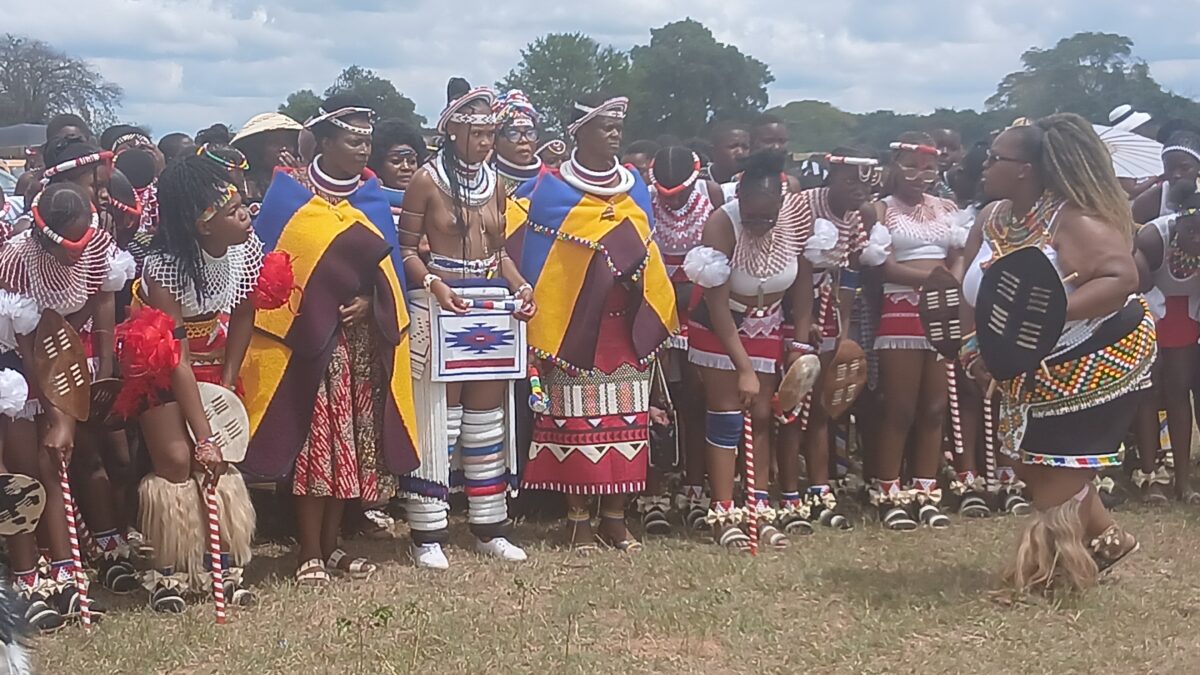
The recently held Imiklomelo kaDakamela, a celebration of tradition, heritage and community values, has sparked renewed debate over the need to deliberately teach cultural practices to young people as a pathway to sustainability.
While the ceremony brought together elders, cultural custodians and emerging voices in a vibrant display of identity, it also raised a critical question: how can Zimbabwe ensure its cultural heritage is actively passed on to younger generations?
For many observers, the awards represented more than a moment of recognition. They marked a turning point in rethinking how culture is transmitted.
Ellen Mlangeni, a veteran cultural conservationist who attended the event, said the celebrations highlighted both progress and gaps in preservation efforts.
“The Dakamela Awards remind us of who we are as a people,” Mlangeni said. “But preserving culture is not just about honouring it; it is about teaching it. If young people are not equipped with this knowledge, our traditions risk fading over time.”
She said cultural sustainability depends on intentional learning processes, where elders actively engage and mentor young people beyond ceremonial spaces.
Youth advocate Theophilus Ncube said the responsibility to preserve culture must be matched by efforts to make it accessible and relevant to younger generations.
“We appreciate these platforms, but culture must be something we learn and live every day,” Ncube said. “There is a need to integrate it into spaces we understand, schools, digital platforms and creative industries, so that it becomes part of our identity, not just history.”
He added that without structured approaches to cultural education, many young people remain disconnected, not by choice, but by lack of exposure.
Community development practitioner Lindiwe Dube described the awards as a catalyst for action.
“What we witnessed at the Dakamela Awards was not just celebration, it was a signal,” Dube said. “If we are serious about sustainability, then cultural education must be prioritised. We need spaces where knowledge is shared continuously, not only during events.”
Dube said bridging the generational divide requires integrating traditional knowledge into modern learning systems, allowing culture to evolve while retaining its core values.
Cultural researcher Brian Sibanda warned that failure to institutionalise cultural learning could weaken efforts to preserve identity in the long term.
“Sustainability is not accidental,” Sibanda said. “It requires systems. Culture must be taught, documented and practised consistently. Otherwise, we risk reducing it to symbolic moments rather than a lived reality.”
Notably, the awards are driven by youthful energy. Their founder, Chief Dakamela, is a young cultural advocate, a factor many believe strengthens the case for youth-led preservation. His involvement reflects growing recognition that young people are not merely beneficiaries of cultural knowledge, but key drivers of its continuity.
Observers say such leadership presents an opportunity to reframe cultural preservation as a shared responsibility, empowering young people to learn, adapt and carry traditions forward in ways that resonate with their generation.