

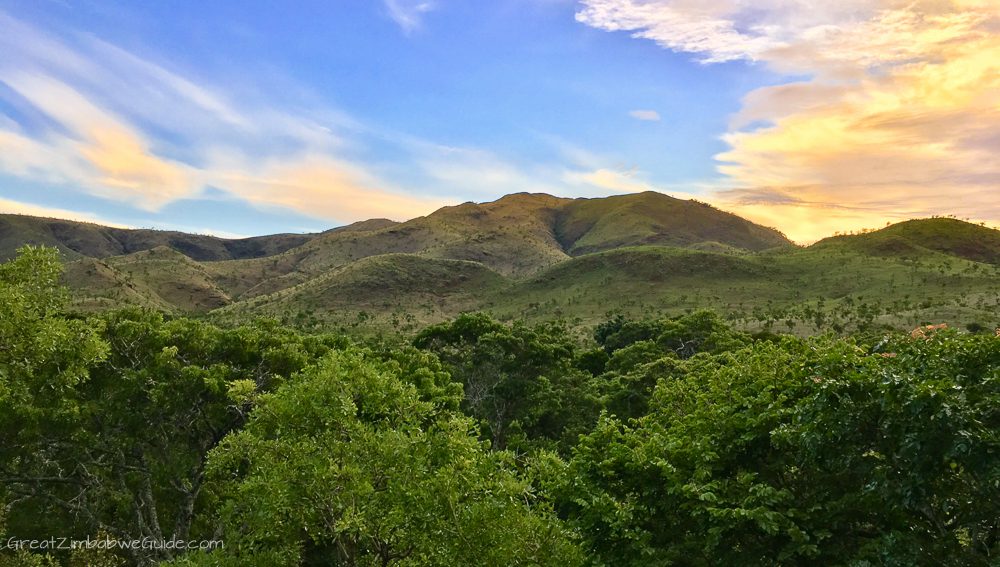
The National Museums and Monuments of Zimbabwe (NMMZ) has warned that illegal mining in the Mavhuradonha Wilderness continues to threaten one of the country’s most iconic natural reserves.
The agency praised investigative reporting for bringing the issue to public attention and called for strengthened collaboration among government agencies, traditional leaders, and civil society.
Mavhuradonha, covering 600 square kilometres on the eastern Zambezi Escarpment, was declared a national monument in 2017 due to its cultural, historical, and ecological significance.
It is home to rare wildlife, including 229 bird species and 41 species of large and medium-sized mammals, as well as San rock art and Mutota’s Kraal ruins.
Investigative reporting by CITE exposed how Chinese companies, including Afrochine Smelting and Labenmon Investments, have carried out open-cast chrome mining within the reserve.
The companies allegedly broke down gates, opened gravel roads, and disrupted wildlife habitats. According to the report, government officials in Mashonaland Central “shielded” the miners despite a 2020 government ban on mining in all national parks.
Documents reviewed by CITE show that an NMMZ regional director issued a letter in 2017 promising to “link Afrochine with the Muzarabani RDC, the community and traditional leaders as well as Nzou Safaris… for a smooth sailing of activities,” despite the reserve’s protected status. The report described the impact as devastating: “Opencast mining has left gaping holes… wild animals falling into their deaths in numbers.”
In response, NMMZ clarified that no mining permits have ever been granted for Mavhuradonha.
“Mavhuradonha is of exceptional cultural, ecological, and historical significance and deserves the highest levels of protection,” the agency said.
“Any suggestion that access letters constitute permission to mine is incorrect. Legal authorisation requires explicit written consent from the Executive Director, which has never been granted.”
The agency outlined multi-stakeholder efforts to prevent illegal mining, including inspections and coordination with the Ministry of Mines, the Environmental Management Authority (EMA), rural district councils, traditional leaders, and the Zimbabwe Republic Police.
NMMZ also highlighted the role of media in heritage protection.
“We welcome responsible journalism that raises awareness and strengthens enforcement. Accurate reporting is a critical tool in safeguarding Zimbabwe’s heritage,” the agency said.
The organisation urged all actors to comply with national laws and a 2020 government directive banning mining in protected areas, adding that protecting heritage sites like Mavhuradonha is “a collective responsibility… essential for present and future generations.”
Support CITE’s fearless, independent journalism. Your donation helps us amplify community voices, fight misinformation, and hold power to account. Help keep the truth alive. Donate today