

By Nokuthaba Dlamini
Communities in Mabale, under Chief Nelukoba Dingani in Hwange District, are calling on government to urgently establish wildlife processing and leather production centres in conflict hotspots, arguing that economic inclusion is the missing link in managing escalating human–wildlife conflict.
Across Mabale and Gwayi villages, elephants frequently destroy crops, trample homesteads and water points, and in some cases cause deaths and life-long injuries. For already impoverished households, the losses have deepened poverty and eroded trust in conservation efforts that, villagers say, bring them more harm than benefit.
Beyond compensation, villagers are now calling for wildlife-based economic participation, following Zimbabwe’s renewed allowance to commercialise certain wildlife products after the CITES CoP20 meeting in Samarkand, Uzbekistan.
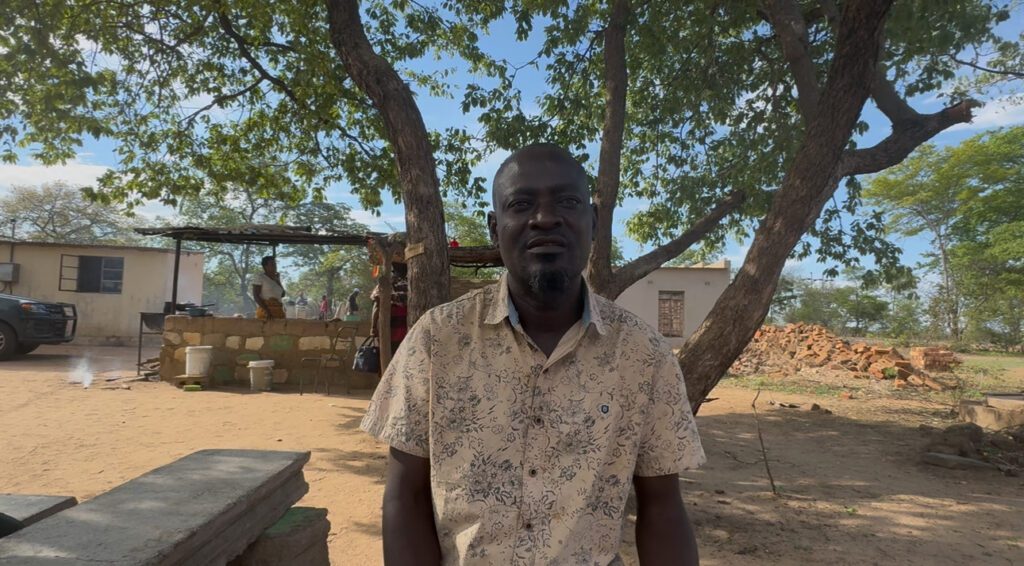
Ward 19 councillor Eugene Sibanda said revising and effectively monitoring wildlife commercialisation laws could transform lives in conflict-prone communities.
“Firstly, what I can say is that if the laws prohibiting full commercialisation of wild animals could be revised and monitored well, this can improve people’s lives,” Sibanda said.
“If we can sell horns of animals that have naturally died, and use the leather to make belts, shoes, handbags and other products, it can help plough back benefits to the community.”
Sibanda said while organisations such as CAMPFIRE and problem animal control units remove dangerous animals, communities rarely benefit from by-products such as hides, which often pile up unused.
“There are many victims whose lives have been affected by elephants, yet nothing comes back to them. Our level of education is very low, early marriages are common, people are unemployed. There are many points I can raise,” he added.
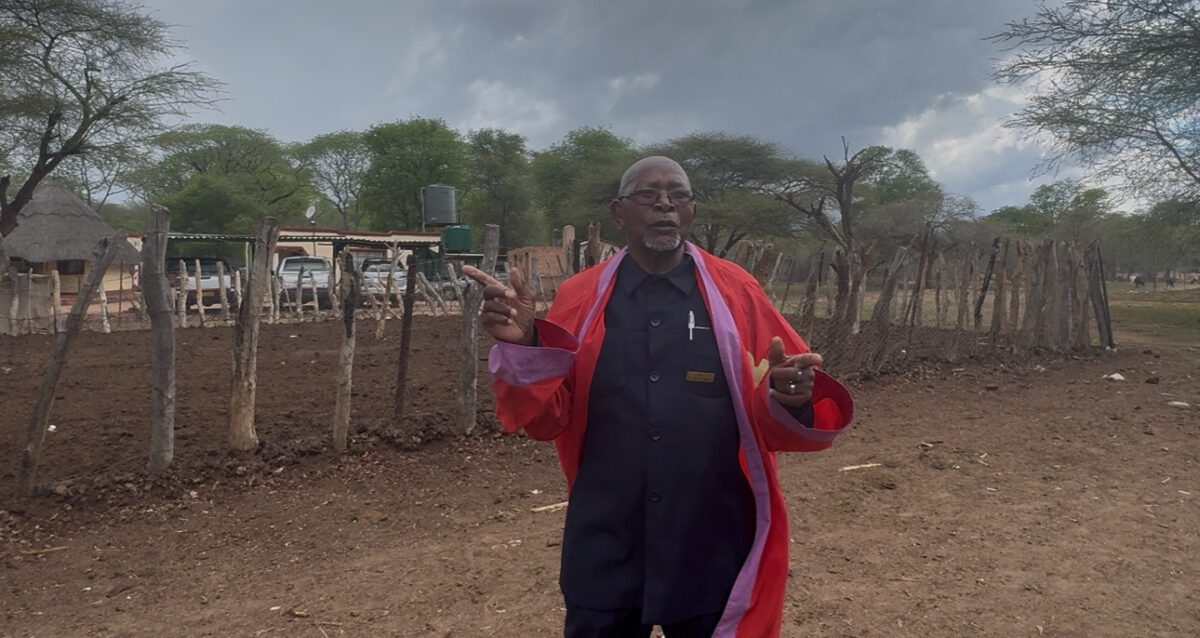
Chief Nelukoba Dingani said human–wildlife conflict in Mabale had reached critical levels and warned that conservation without economic emancipation was unsustainable.
“People here are living with wildlife every day. They lose crops, they lose livestock, and sometimes they lose their lives,” the traditional leader said when we recently visited his homestead.
“If communities continue to suffer without benefiting, resentment grows. Emancipating people through wildlife-based industries gives them a reason to protect what is around them instead of seeing it as a curse.”
Chief Dingani said locally based leather and taxidermy centres would create employment, skills transfer and ownership, especially among youth who currently see few opportunities beyond migration or early marriage.
Eveline Mwembe echoed the call, urging government to invest directly in rural wildlife economies.
“Now that we have heard that we can commercialise in bulk, we want government to build taxidermy centres in our communities,” Mwembe said.
“People must be trained so they get a sense of belonging and understand why conserving wildlife should matter to them.”
Another villager, Sibusiso Ndlovu, said young people in Mabale were ready to work if opportunities were brought closer to home.
“We have youths who are idle while elephants are destroying our fields,” Ndlovu said.
“If leather processing centres are built here, we can learn skills, create jobs and reduce poverty instead of relying on hand-outs.”
Women in the community say they bear the brunt of wildlife conflict but are excluded from conservation value chains. Nomsa Dube, a farmer and mother of four, said leather industries could change that.
“Women are the ones guarding fields at night and burying loved ones,” Dube said.
“If we can be trained to make school shoes, bags or belts from wildlife leather, that money can support education and health in our villages.”
The calls from Hwange communities come after Zimbabwe Parks and Wildlife Management Authority (ZimParks) announced on 12 December that Zimbabwe and the SADC bloc had secured a diplomatic victory at CITES CoP20 in Samarkand, strengthening sustainable use pathways and recognising Southern Africa’s conservation models.
In a statement posted on X, ZimParks said value-added hides and leather products had been held back for over 30 years by restrictions “not backed by science,” despite their potential to create jobs and support community-centred conservation.
ZimParks noted that as Zimbabwe enters the implementation phase, updated Statutory Instruments and tighter domestic legislation will be required to ensure any permissible trade is well-regulated, transparent, traceable and supported by strong law enforcement.
Support CITE’s fearless, independent journalism. Your donation helps us amplify community voices, fight misinformation, and hold power to account. Help keep the truth alive. Donate today