

By Nokuthaba Dlamini
Hwange East legislator Joseph Bonda has called on the government to address what he describes as the marginalisation of the Nambya language in schools, arguing that current teacher deployment policies are undermining early learning in Matabeleland North.
According to the National Assembly’s official record of 7 April 2026, Bonda formally asked the Minister of Public Service, Labour and Social Welfare to explain why trained Nambya-speaking teachers are not being employed in Hwange District while non-speakers are posted to the area.
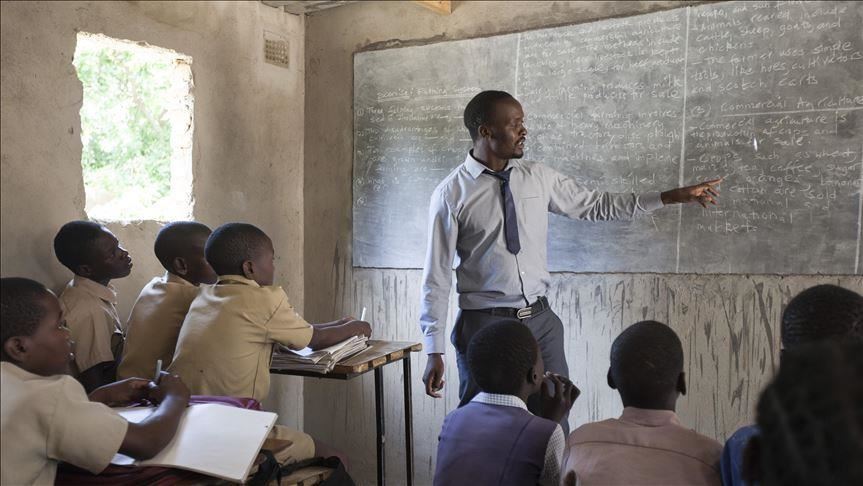
He said the practice was “depriving children of receiving instruction in their mother tongue at the early education stage”, which he described as critical to both educational outcomes and cultural development.
Under Zimbabwe’s language policy framework, learners are expected to be taught in their mother language in the early grades. Critics say failure to align teacher deployment with local languages weakens that principle in practice.
Despite the concerns raised, the matter remains unresolved in Parliament. The inquiry was deferred on 18 March and, at the latest sitting, the ministry had yet to provide a formal response.
Parents in the district say the issue has direct consequences for children’s performance.
“Our children are disadvantaged from the start,” said Ester Ncube, a parent in Jambezi under Chief Shana. “If a child cannot understand the teacher in Grade One, it affects everything that follows.”
Community leaders argue that the debate goes beyond classroom instruction and touches on identity.
“Language is part of who we are,” said local elder Eliziya Vashe Shoko. “If schools do not teach in Nambya, we are slowly losing our identity. Government must take this seriously.”
Young professionals in the province say the challenge is not a shortage of qualified personnel but gaps in recruitment and deployment.
“There are trained teachers who speak Nambya, Lozvi, Chidombe and other local languages, but they are not being deployed here,” said Lindiwe Sibanda, a recent graduate.
“At the same time, teachers from outside are brought in. It does not make sense. These languages should be prioritised so that communities feel a sense of belonging and respect.”
The language dispute forms part of a wider push for regional equity in Matabeleland North. Bonda has also raised concerns over local employment quotas in the wildlife sector and what he describes as the exclusion of Hwange from national weather forecasts. He argues that these issues reflect a broader mismatch between national policy and local needs.
Support CITE’s fearless, independent journalism. Your donation helps us amplify community voices, fight misinformation, and hold power to account. Help keep the truth alive. Donate today