

The Gukurahundi genocide of the 1980s played a significant and contentious role in the court proceedings of three police officers accused of assaulting pupils at Mahetshe Primary School in Maphisa, Matobo District, ultimately shaping the magistrate’s decision to acquit them.
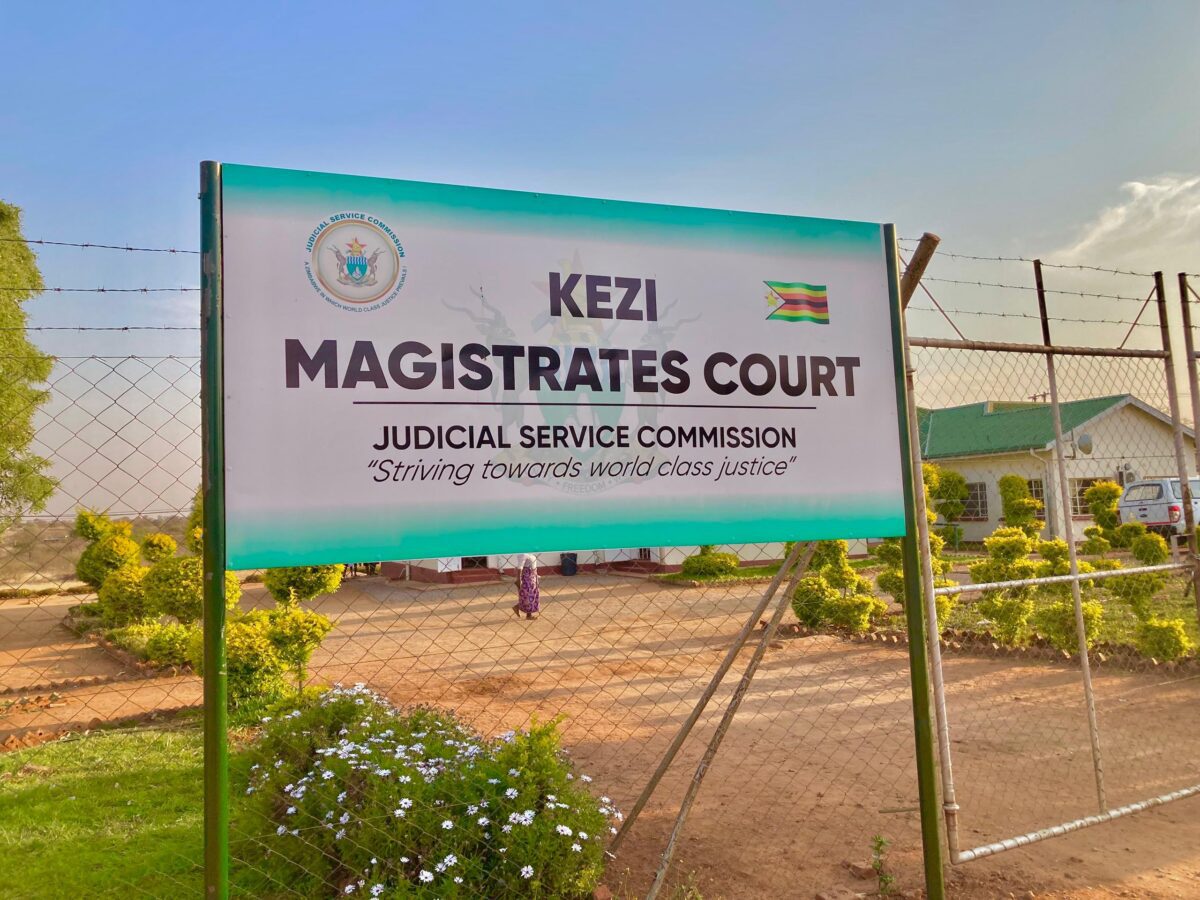
Delivering his judgment on October 23, 2025, Kezi magistrate Busani Sibanda cleared the three police officers – Nhlalo Ndlovu, Vimbai Madlabuzela and Trust Chizodza of assault charges, citing lack of credible evidence and suggesting that tribal tensions linked to Gukurahundi memories may have influenced witness testimony.
The verdict appears to vindicate a defence strategy that was widely criticised by legal experts and human rights activists when the trial began in September 2025.
During cross-examination, the defence lawyer had persistently questioned witnesses about Gukurahundi, asking if community members had accused the Shona officers of being part of the genocide.
At the time, governance analysts and legal practitioners condemned the line of questioning as “misguided, insensitive and deliberately divisive,” arguing it was an attempt to tribalise a straightforward criminal case of alleged police brutality and shift focus away from the violence inflicted on minors.
Read:https://cite.org.zw/cross-examination-in-mahetshe-police-case-criticised-for-evoking-gukurahundi/
However, in his judgment, Magistrate Sibanda integrated these very tribal tensions into his assessment of the evidence’s reliability.
While urging that the issue “must not be taken out of context,” he nonetheless framed it as a critical factor, suggesting the historical animosity provided a potential motive for witnesses to misrepresent the facts against the accused officers.
Central to the magistrate’s reasoning was the allegation that the two Shona officers, Madlabuzela and Chizodza, were insulted by community members who called them “Shona” and accused them of having “no right to address their children in Shona as that reminded them of Gukurahundi issues.”
“The court has also been told that Madlabuzela and Chizodza are both Shona,” Magistrate Sibanda said, directly linking this history to the credibility of the witnesses adding some accounts appeared to have been motivated by animosity or bias.
“Could this have caused people to misrepresent facts? The witnesses were not corroborating with each other. There were material discrepancies. There is a claim that there must have been animosity between the parties.”
In his judgment, Magistrate Sibanda revealed the court took the extraordinary step of researching the genocide online, turning to Wikipedia during deliberations to understand the historical context of Gukurahundi.
“The court had to check what Gukurahundi means. Wikipedia says that Gukurahundi was a series of mass killings and genocides in Zimbabwe. It was committed from 1983 until the Unity Accord in 1987. It also says the name derives from the Shona language term which means ‘the early rain which washes away the chaff before the spring rains,’” Sibanda said.
He added that the reference to Gukurahundi by witnesses could not be ignored
“The second last witness in cross-examination says he does not see how calling someone Shona or Ndebele would be wrong. The court is of the view that this must not be taken out of context,” Sibanda said.
“We have a situation where one is being accused of being Shona and that they have no right to address one’s children in Shona and that reminds them of Gukurahundi. The alleged atrocities of Gukurahundi, if they were to be true, will obviously cause one to think that the relations between those tribes involved cannot be said to be cordial. If one is reminded of an atrocity, they definitely may not be expected to be happy about that atrocity or genocide. They are bound to feel hurt and pain.”
The magistrate concluded this line of reasoning by asserting, “The court is not sure if that did not cause affected people to have motive to either to exaggerate, fabricate or want to portray or want to paint a lie.”
Beyond the Gukurahundi issue, the magistrate’s ruling hinged on what he described as fatal inconsistencies in the prosecution’s case.
He highlighted that one child witness, who was allegedly assaulted, failed to identify the accused officer, Madlabuzela, in the courtroom despite her presence.
“This had the court worried and thinking who was subject to them, if it was not the village head who told the child, why did the child say that?” Magistrate Sibanda questioned.
“If the child was assaulted by Madlabuzela, why would the child fail to identify the culprit in the dock?”
The court ruled 17 state witnesses, including a seven-year-old pupil, gave conflicting accounts. Some said they were beaten, others said no physical assault occurred and that children cried after they were “named and shamed” by their peers.
The court also heard that children in the community are often threatened with the police as a disciplinary measure, which could explain a general fear of the officers.
The three police officers had been accused of brutally assaulting a group of schoolchildren during a May 2025 awareness campaign at Mahetshe Primary School.
The officers had been “invited by school authorities for an awareness campaign against theft, drug abuse, teenage pregnancies, students having love affairs and bullying.”
Prosecutors alleged that during the session, the officers grouped children according to alleged offences and proceeded to beat them with open hands, cables and switches, only stopping when villagers intervened from a nearby meeting about 80 metres away.
Support CITE’s fearless, independent journalism. Your donation helps us amplify community voices, fight misinformation, and hold power to account. Help keep the truth alive. Donate today