

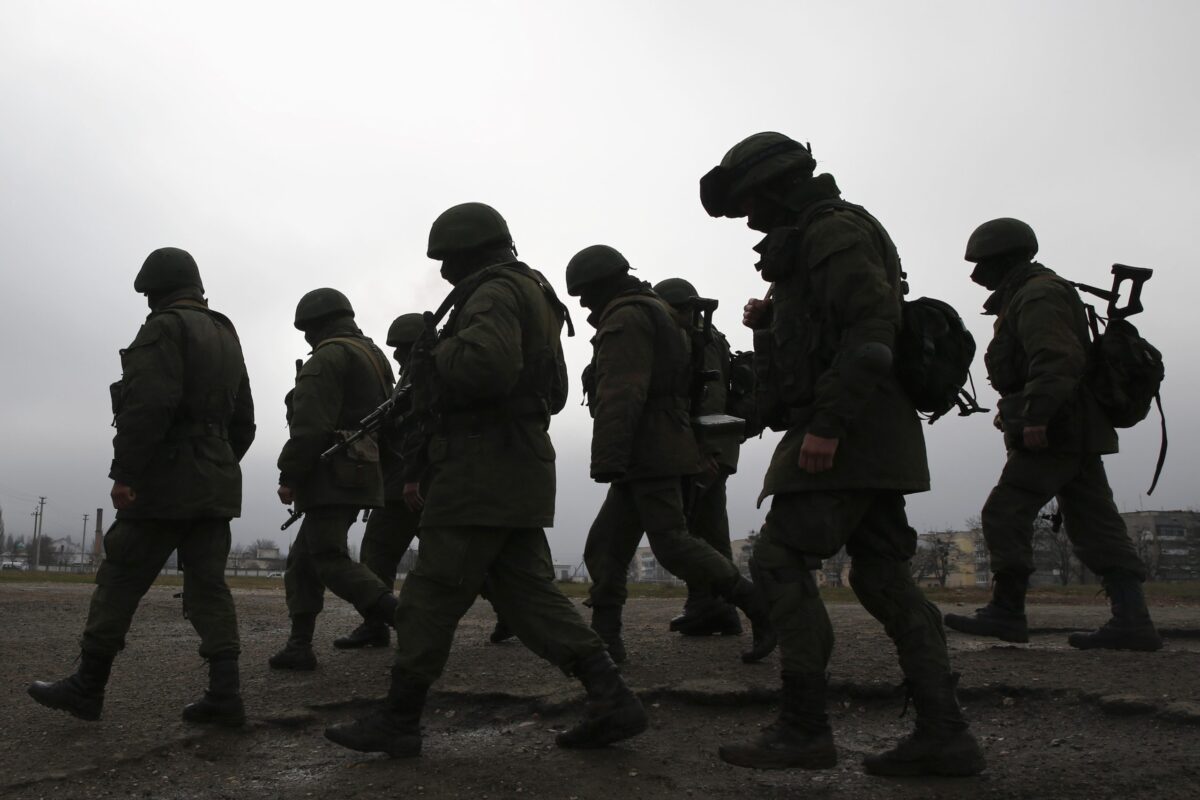
The Zimbabwean government has publicly acknowledged the role of CITE in uncovering the recruitment of Zimbabwean civilians to fight on the Russian side in the war in Ukraine.
The acknowledgement came as Information Minister Soda Zhemu confirmed on Wednesday that 15 Zimbabweans have died in the conflict, marking the first official statement on the scale of local involvement.
He said 66 others who were recruited are still alive, with authorities working to facilitate their return home.
“The president has directed this government to act with urgency and resolve this issue,” Zhemu told a news conference in Harare.
He said efforts were underway to repatriate the remains of those killed, describing the process as diplomatically and logistically complex.
Zhemu added that the security cluster had been instructed to intensify investigations into what he described as a trafficking syndicate responsible for recruiting Zimbabweans into the war.
“Those who are trading in the lives of our citizens for profit will face the full wrath of the law,” he said.
Presidential spokesperson George Charamba expressed gratitude to CITE for bringing the matter to light, saying the organisation had “broken this story after painstaking investigative journalism”.
CITE’s investigation detailed how some Zimbabweans were allegedly lured with promises of employment and better prospects abroad, only to find themselves deployed to the frontlines of the conflict between Russia and Ukraine. The report outlined what it described as deceptive recruitment networks operating through informal channels.
The government’s acknowledgment represents a significant moment in the unfolding story, as it formally recognises both the extent of Zimbabwean involvement and the media investigation that exposed it.
The episode has renewed focus on the importance of investigative journalism in uncovering hidden systems that operate beyond public scrutiny. By documenting testimonies, tracing recruitment patterns and demanding official responses, investigative reporters can bring sensitive issues into the public domain and prompt state action.
In this case, the investigation not only revealed the existence of clandestine recruitment networks but also triggered official confirmation and a pledge to dismantle those responsible.