

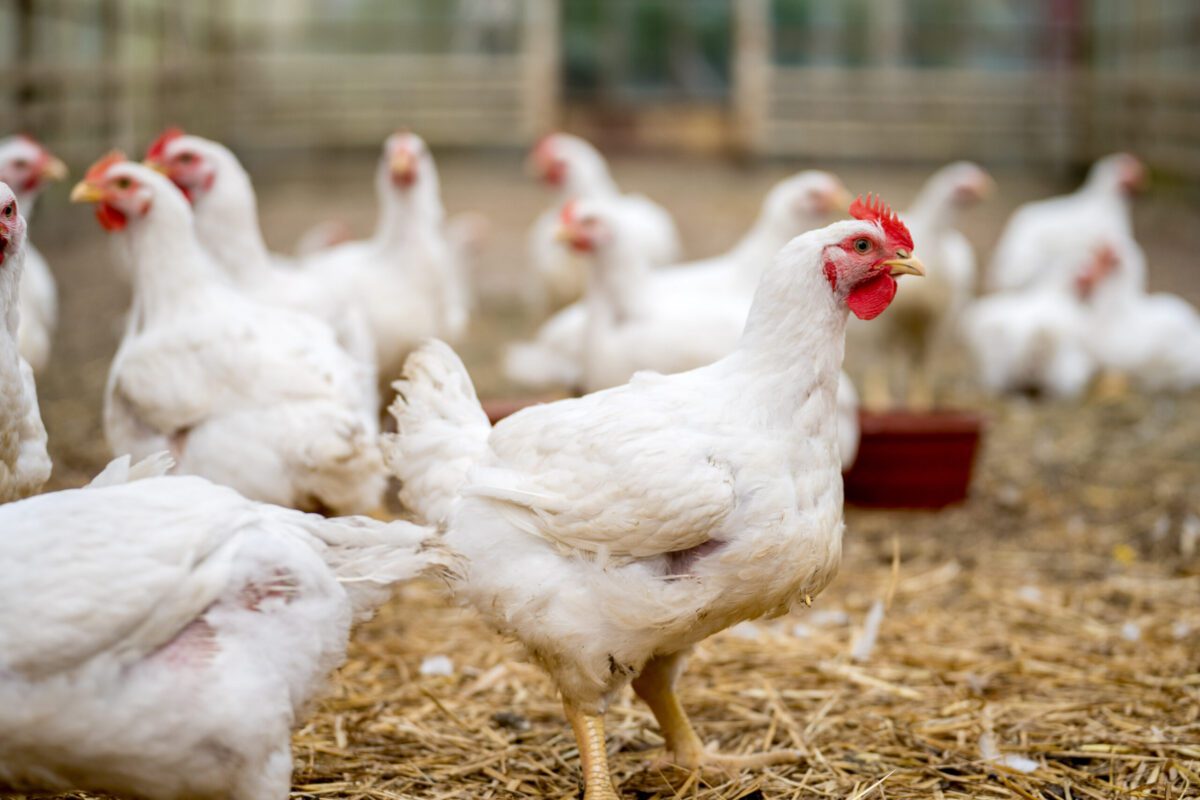
Many poultry farmers across Zimbabwe continue to buy broiler chicks without fully understanding that not all broiler breeds are the same, a situation that affects productivity, survival rates and profits, prompting a poultry specialist to urge farmers to make informed choices because each breed is designed for specific purposes, climates and market needs.
A poultry specialist at Econutrivet, Dr Enoch Machingauta, explained that breed differences are critical in poultry production.
Machingauta warned farmers against following trends without understanding why certain breeds are popular.
“All broilers are not the same; one is more suitable to sell at four weeks, one is stronger against cold, one is stronger against heat, and one grows taller than others.There are reasons why you should not just buy any broiler breed because other people are buying it,”said Machingauta.
He said farmers choose broiler breeds for different reasons depending on their goals, climate and target market.
”People buy broilers for different reasons; some choose birds that grow faster and sell them at four weeks, others prefer breeds that grow taller and are easier to sell, while some select broilers based on temperature and weather conditions, as certain breeds are stronger against cold and others against heat,”said Machingauta.
Dr Machingauta highlighted four of the best broiler breeds available in Africa to help farmers make better choices.
“There are 4 best types of broiler breeds we have in Africa and the hatchery that produces them, the advantages they have over themselves and you get to know which you should go for when you are ready to start poultry farming,” said Machingauta.
He said the four best broiler breeds are Ross 308, Cobb 500, Arbor Acre and Marshall.
“Ross 308 broilers do not grow very tall and are usually short but very fat. They can withstand cold conditions but do not tolerate heat well. Ross 308 grows faster than most other broilers and has a good feed conversion ratio, making it more suitable to be raised for four to six weeks before selling. He added that they can weigh up to 2.6kg at five weeks of age after being given Endocox and hepator booster,” said Machingauta.
On Cobb 500, Machingauta said the breed is not as fast-growing as Ross 308 but grows taller.
“Cobb 500 cannot withstand cold and often sneezes and contracts chronic respiratory diseases easily, even at day-old chick stage. However the breed is more resistant to heat than Ross 308, is more agile and generally more resistant to diseases,” said Machingauta.
Machingauta said Arbor Acre broilers are more similar to Ross 308 and can weigh up to 2.7kg at six weeks of age.
“They have an average daily weight gain of 93 grams and an average daily weight gain of 79 grams at eight weeks of age under good conditions. Arbor Acre broilers are also more resistant to diseases,” said Machingauta.
Speaking on Marshall broilers, Machingauta said the main disadvantage is that they do not grow as fast as other breeds. However, he explained that Marshall broilers grow the tallest among all broiler breeds and are in high demand during celebration periods because of their physical appearance.
“The birds can stay up to 12 weeks before farmers start marketing and selling them. Understanding these differences helps farmers choose the right broiler breed based on climate, market demand and production goals, improving both survival rates and profits in poultry farming,” said Machingauta.
Support CITE’s fearless, independent journalism. Your donation helps us amplify community voices, fight misinformation, and hold power to account. Help keep the truth alive. Donate today