

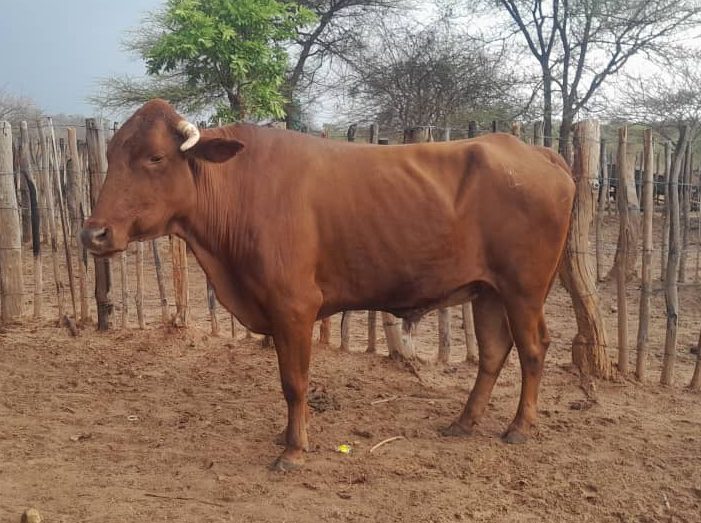
A deadly cattle disease continues to decimate herds in Gadade, Matabeleland North, leaving villagers in despair as theileriosis, commonly known as “January Disease”, kills livestock and threatens the area’s once-vibrant cattle industry.
Farmers say the disease, caused by the parasite Theileria parva and spread by ticks, has persisted for months despite their efforts to control it. Many discovered the outbreak too late, with several animals already weakened or dead before treatment could be administered.
“We are losing our cattle every week, and it is painful to watch,” said farmer Bulelani Kona. “At first, we thought it was just an ordinary illness, but soon we realised it was something much worse. By the time we found out it was theileriosis, the damage had already been done. We had many cattle before, but now most are gone. This disease is still killing, and we feel powerless because we don’t have enough medicines or dipping chemicals to fight it.”
Theileriosis is a tick-borne disease that causes severe illness in cattle and can lead to death if not treated quickly. Its symptoms include lethargy, swollen lymph nodes, loss of appetite and, in many cases, sudden death.
Another farmer, Dalumuzi Gumede, said panic and desperation had driven some villagers to sell their cattle at throwaway prices.
“We sold our cattle in a hurry because we were afraid they would all die,” he said. “Some people sold for half the normal price, just to avoid total loss. In some cases, the animals collapsed and died on the trucks before reaching buyers. Gadade used to be full of cattle, but now you can count the herds on one hand.”
Residents say the outbreak has stripped many families of their main source of income, draught power and food security. They are now appealing for urgent support from veterinary authorities.
“We really need more help from veterinary officers,” said Nkosilathi Ndlovu, another local farmer.
“Theileriosis has not stopped, it’s still here, and every farmer is scared of losing the few cattle they have left. We also need awareness campaigns so people can recognise the disease early.”
Veterinary practitioner Dr Gwinyai Zhandire confirmed that theileriosis remains a serious threat across Zimbabwe, particularly during the rainy season when tick activity peaks.
“Theileriosis or January Disease is a fatal tick-borne disease of cattle,” Dr Zhandire said. “The name comes from its tendency to cause major outbreaks in January due to high tick activity. It spreads from animal to animal through tick bites.”
He said post-mortem examinations often reveal internal bleeding, swollen livers and spleens, and excess fluid in the lungs, which causes most cattle deaths. Laboratory tests also show that theileriosis is often accompanied by Anaplasmosis (commonly known as Gall Sickness).
To prevent the disease, Dr Zhandire stressed the importance of tick control through regular dipping.
“Prevention is based on tick control,” he said. “Farmers must use effective acaricides and apply them correctly and consistently. Dipping should be done at least once a week, and in outbreak areas, every four to five days. During the rainy season, dipping frequency should increase to protect cattle even after they are rained on.”
Dr Zhandire added that early treatment combining Oxytetracycline and Buparvaquone, along with supportive care, can save infected animals. However, he warned that prevention is far cheaper than cure.
“The cost of prevention through dipping is about US$2 per animal per year under the government programme, compared to over US$20 per animal for treatment. As always, prevention is better than cure,” he said.
Support CITE’s fearless, independent journalism. Your donation helps us amplify community voices, fight misinformation, and hold power to account. Help keep the truth alive. Donate today
Leave a comment