

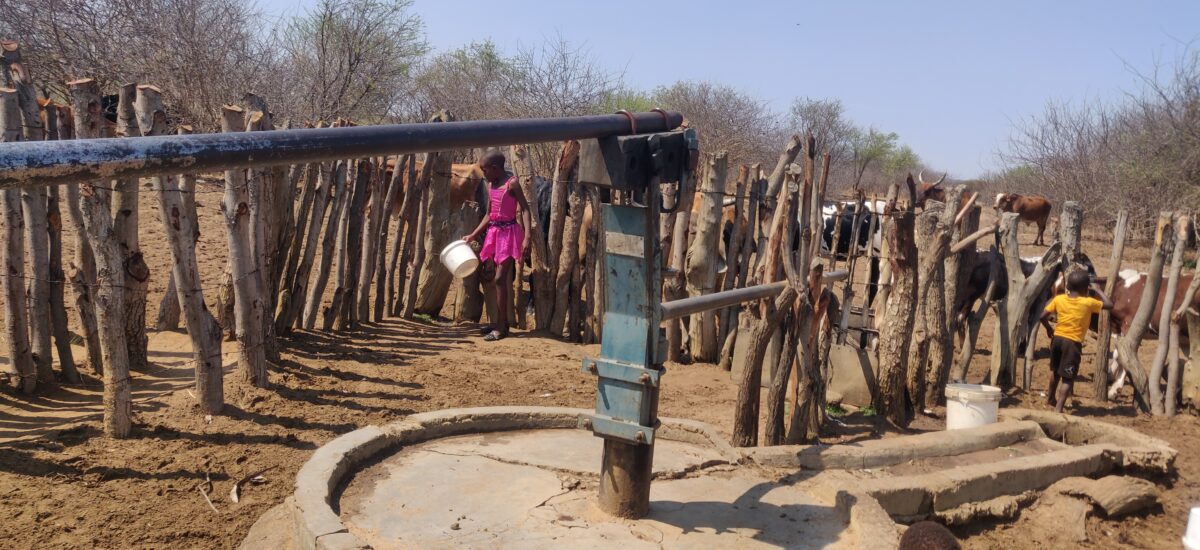
Villagers in Village 6, Deli, Nyamandlovu are appealing for assistance with water pipes to enable them to install taps in every homestead, as the community mobilises resources to mitigate the impacts of climate change.
The community said they have already purchased water tanks and a pump as part of efforts to solarize their borehole and revive their community garden.
In an interview with CITE, villager Anitha Phakathi said residents agreed to switch from the old manual pumping system to a solar-powered one to ensure a reliable water supply.
“As a community, we came together and decided to move away from the old water pumping system and adopt the modern solar-powered one to revive our community garden,” said Phakathi.
“We have already bought the solar system and the pump, but our current challenge is that we don’t have stands for the two water tanks we purchased or fencing to protect the system.”
Another villager, Jesca Ndlovu, said the community’s main challenge is that they rely on only one water source.
“We are appealing for water pipes so that we can have water in our homesteads and be able to do different projects and curb hunger issues,” she said.
An elderly villager, Mashakwa Nyathi, said they can no longer manually pump water from the borehole, which has made access to water a daily struggle.
“We have bought other equipment, but we don’t have pipes. I’m now old and can no longer fetch water from the borehole. I live with my husband, who is also elderly, so accessing water is a real challenge for us,” she said.
Nyathi added that most people in the community are unemployed but have worked hard to contribute toward the solarisation project.
“Now we want pipes so that we can all have water closer to us,” she said.
One of the first settlers in the area since around 1980, named Ford, echoed similar concerns, saying many elderly villagers can no longer operate the old boreholes.
Soneni Ngulube added that manually pumping water has become burdensome, especially for those on medication.
“We have been contributing R200 every month to make our dream a reality. This system will help us access water more easily, so we won’t have to rely solely on the rains. It will also allow us to have gardens at our homesteads, making it easier to fight hunger,” she said.
The village head, Lucky Ngwenya, said climate change has worsened food insecurity in the area, making access to irrigation essential.
“Our biggest challenge is climate change. When we grow maize, our area requires a lot of rainfall, but since we now receive very little, our harvests are poor,” he said.
“The soil is also not suitable for small grains, which is why we continue to face hunger in our community. At the moment, we don’t know what else to do except hope for irrigation schemes that could help us instead of relying solely on rain.”
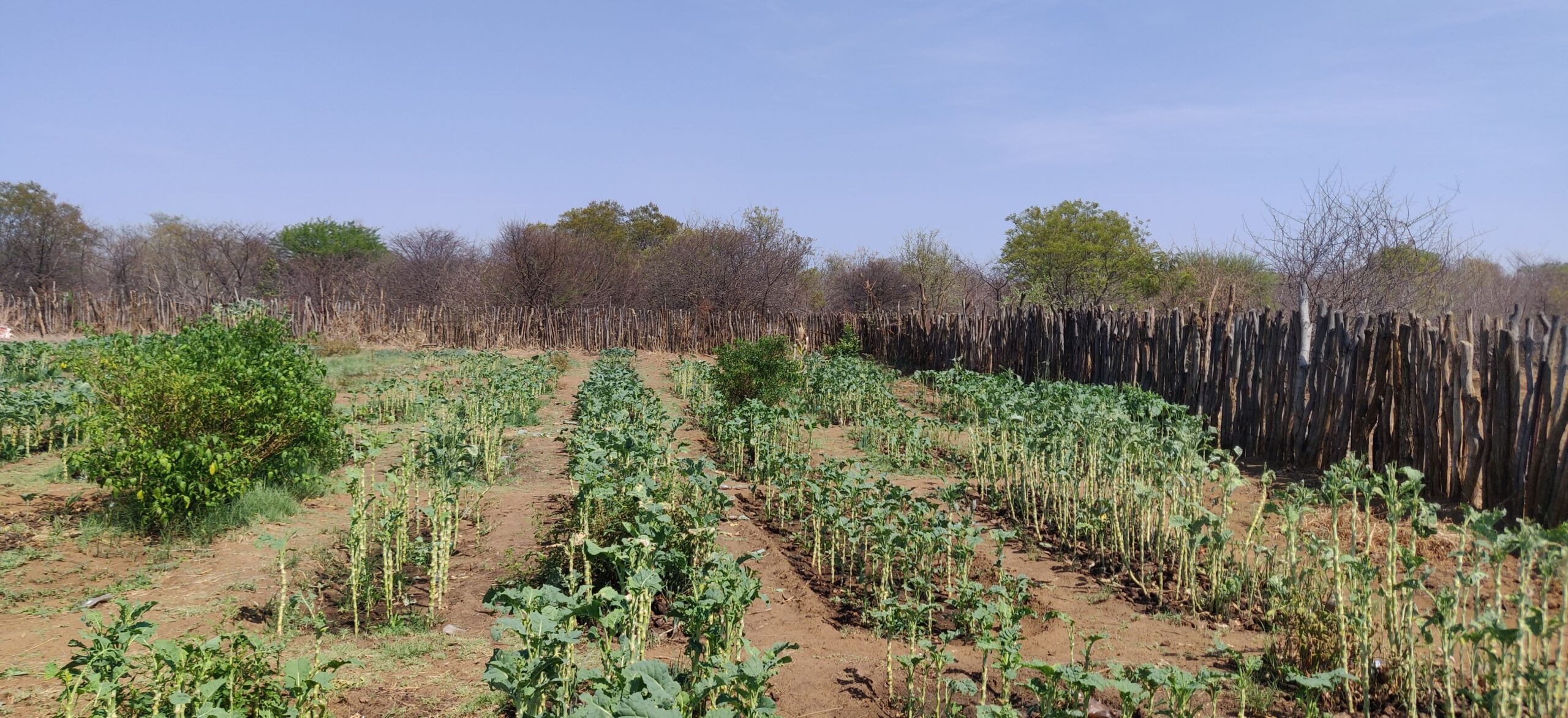
Ngwenya said the idea to solarise the borehole was meant to sustain the community garden and promote vegetable production for both consumption and income generation.
“At the moment, we came up with the idea of solarizing our borehole and installing pumps so we can start community gardens to grow vegetables and tomatoes for sale, rather than relying only on rain, which has become a challenge,” he said.
He added that despite having purchased most of the required equipment, some essential components were still missing.
“The challenge with maintaining our current garden is that most of us are old and no longer able to draw water using the manual borehole system. Our garden is large, but community members are not fully utilising it because of this. The garden is our main source of livelihood, so we really wish to keep it running,” he said.
Ngwenya also pointed out that the same borehole serves both people and livestock, putting additional strain on the water source.
“As a community, we share the same borehole with our livestock since it’s our only source of water. It’s difficult to pump enough for the animals to drink and be satisfied, so we want to solarize the system to make it easier for both people and livestock to access water,” he said.
Leave a comment