

Bulawayo residents have raised alarm over deep-rooted corruption in local authorities, warning that the scourge is crippling service delivery and undermining public trust in governance structures.
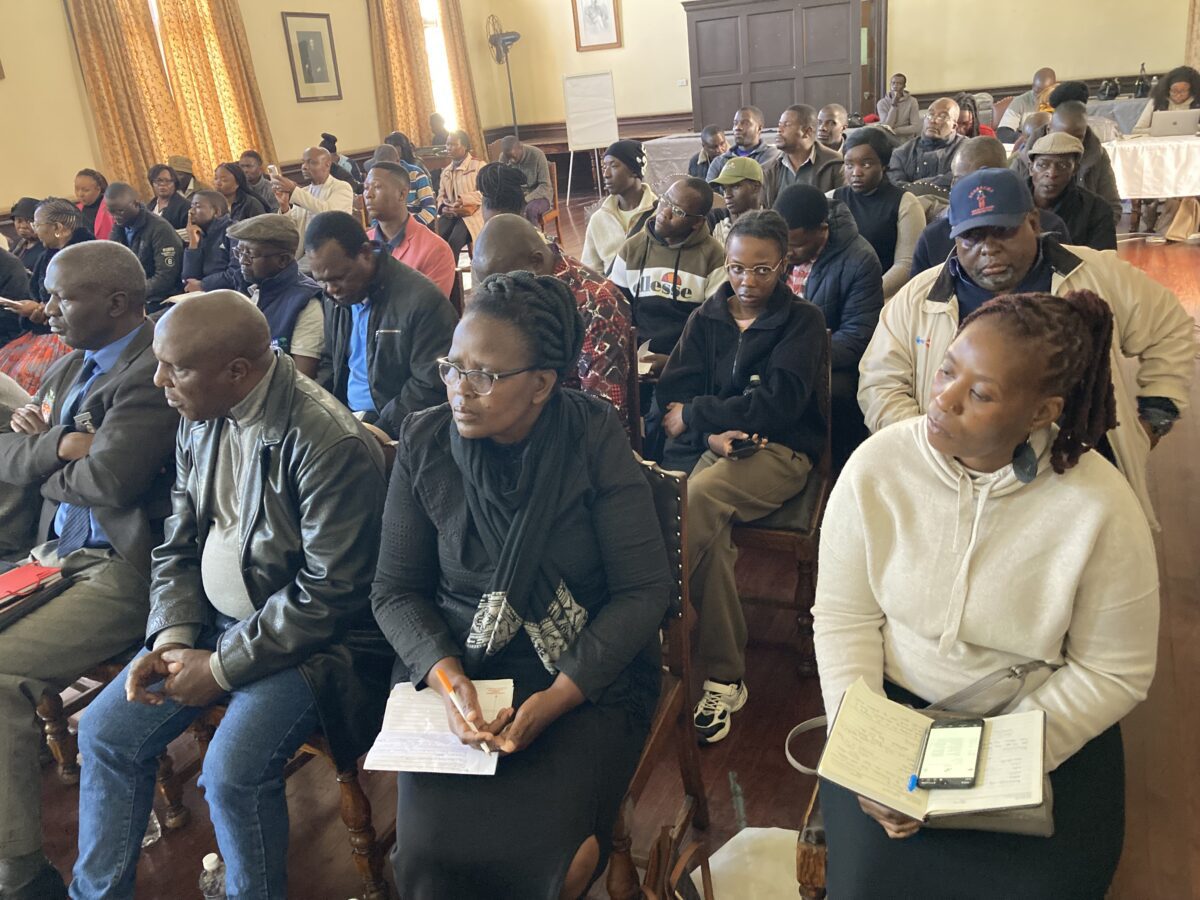
The concerns were raised during a public dialogue on accountability held on Wednesday at the Bulawayo Club under the theme “Enhancing Integrity in Local Governance.”
The meeting was convened by the Centre for Innovation and Technology (CITEZW) in partnership with the Bulawayo Progressive Residents Association (BPRA) and the Public Policy Research Institute of Zimbabwe (PPRIZ).
Speakers at the event, civic leaders, city officials and residents, said corruption had become normalised in Zimbabwean society, with far-reaching consequences for communities.
Zibusiso Dube, a communications and development strategist, said corruption was now widely accepted as part of everyday life in Zimbabwe, a situation he described as alarming. He pointed to the country’s low score of 21 out of 100 on Transparency International’s Corruption Perceptions Index, which ranks Zimbabwe 158th out of 180 countries globally.
“Corruption in Zimbabwe has become normalised as the societal norm,” Dube said.
“It is one of the most corrupt countries in Southern Africa. In local authorities, this corruption perpetuates poverty, deepens inequality, weakens service delivery, and leads to poor resource allocation and reduced productivity. It occurs at every stage of public resource management, from planning and budgeting to oversight.”
Councillor Adrian Moyo, speaking on behalf of the Deputy Mayor of Bulawayo, Councillor Edwin Ndlovu, said corruption erodes the critical trust between citizens and the state, making effective governance difficult.
“Without integrity, trust between citizens and the state breaks down. Once that trust is lost, it becomes increasingly difficult to implement policies, mobilise community action, or drive meaningful change,” said Cllr Moyo.
He added that the City of Bulawayo is committed to building robust systems to combat corruption and bribery, citing the need for strong legal frameworks and institutional mechanisms.
“There is a concerted effort to enhance public trust in decision-making and to promote fair competition. Integrity must be at the core of service delivery, community engagement, and civic participation,” Moyo said.
He stressed that combating corruption requires collective action.
“Good governance must be a shared responsibility. Citizens must actively hold leaders accountable through organisation, vigilance, and persistence.”
Councillor Aleck Ndlovu, Chairperson of the BCC Audit Committee, said new systems had been introduced to strengthen oversight and improve risk management. He highlighted the recent addition of an Internal Audit Department and an Enterprise Risk Management unit focused on analysing fraud, waste, and corruption across council departments.
“We believe that with these departments in place, we can not only respond to cases of corruption more effectively but prevent them before they occur,” Ndlovu said.
He also noted that the council has internal disciplinary measures to hold corrupt employees accountable. “We have a disciplinary committee that handles misconduct and corruption cases. The council does not tolerate misuse of resources. Anyone found guilty of such offences faces dismissal,” he said.
The dialogue underscored the need for urgent reforms to improve transparency and rebuild public trust in local governance. Organisers called on both citizens and institutions to take an active role in promoting accountability and safeguarding public resources.
At CITE, we dig deep to preserve the stories that shaped us—ZPRA Liberation Archives, the DRC War, and more. These are not just stories—they’re our roots. We don’t hide them behind paywalls. We rely on you to keep them alive. Click here to donate: https://cite.org.zw/support-local-news/
Leave a comment