

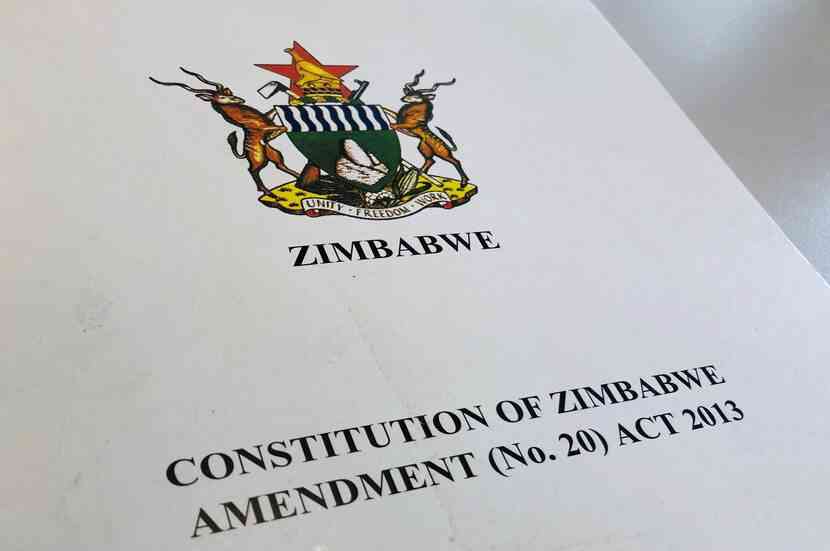
Proposed changes to Zimbabwe’s Constitution could weaken protections for minority groups and further concentrate power in the executive, a human rights lawyer has warned.
Lucy Chivasa, a lawyer, journalist and activist, said amendments being advanced under the Constitutional Amendment Bill risk silencing already marginalised communities, including women, people with disabilities, linguistic and tribal minorities, and politically excluded groups.
Speaking during an online discussion on constitutionalism hosted by Community Podium, Chivasa said reforms often framed as technical or administrative adjustments can have deep and lasting social and political consequences.
“One of the biggest concerns for me is the proposal to merge the Zimbabwe Gender Commission with the Zimbabwe Human Rights Commission,” she said.
While folding women’s rights into a broader human rights body may appear efficient, she warned it could dilute specialised advocacy and reduce focused attention on systemic gender inequality.
“There are things that the Gender Commission was doing for women that cannot simply be overshadowed in a larger commission,” Ms Chivasa said.
She also raised alarm over proposals that would allow Members of Parliament to elect the president, instead of a direct popular vote.
Ms Chivasa said such a system could entrench political exclusion, particularly for communities whose voting preferences are already in the minority.
“We cannot pretend there is no regionalism in voting patterns,” she said. “Urban voters, for example, are often in the minority nationally. At what point is their will going to be seen?”
Another controversial proposal is the creation of a Delimitation Commission to take over the drawing of constituency boundaries, a role currently performed by the Zimbabwe Electoral Commission.
Ms Chivasa questioned whether removing this function from ZEC would improve transparency or instead fragment oversight in ways that benefit the executive.
“For me, this is about consolidating power within the executive,” she said, adding that democratic governance depends on the independence and impartiality of the three arms of the state.
Concerns were also expressed about proposals linked to the management of the voters’ roll, which Ms Chivasa said could become vulnerable to political interference if placed under institutions that report directly to the executive.
Meanwhile, women’s rights organisations under the umbrella of the Women’s Coalition of Zimbabwe said the Bill contains several amendments with serious implications for women.
In a statement, the coalition said women make up 52% of Zimbabwe’s population and warned that the proposed changes signal “a drastic systematic overhaul of the progressive and prescriptive constitutional order”.
Support CITE’s fearless, independent journalism. Your donation helps us amplify community voices, fight misinformation, and hold power to account. Help keep the truth alive. Donate today