

Human activities are the primary cause of climate change, with urgent action needed to avert the worst impacts, according to a new report by the United Nations Environment Programme (UNEP).
The report says the burning of fossil fuels, deforestation and certain agricultural practices are driving the build-up of greenhouse gases that are warming the planet. It warns that climate change is already affecting health, food production, housing, safety and employment, with vulnerable populations facing the greatest risks.
“Humans are responsible for virtually all global heating over the last 200 years,” the report states.
UNEP says the Earth’s average surface temperature is now about 1.42°C higher than it was in the late 1800s, before the Industrial Revolution, and warmer than at any point in the past 100,000 years.
“Each of the last four decades has been warmer than any previous decade since 1850,” the report says, adding that the decade from 2015 to 2024 was the warmest on record.
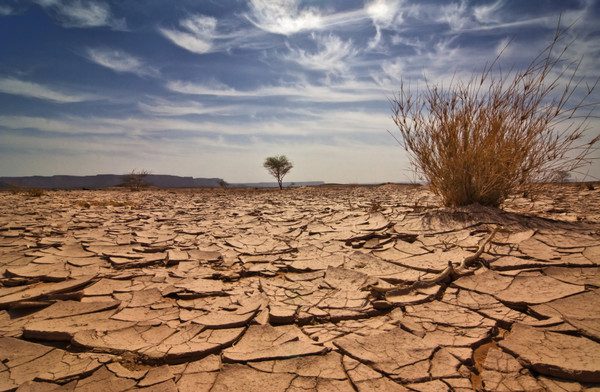
The report links rising temperatures to increasingly severe impacts, including prolonged droughts, water shortages, more intense wildfires, rising sea levels, flooding, melting polar ice, stronger storms and accelerating biodiversity loss.
It warns that prolonged droughts are already putting communities at risk of famine and that the number of people displaced by weather-related disasters is expected to increase in the coming years.
“Health, the ability to grow food, housing, safety and work are all affected by climate change,” UNEP says. “Some populations are more vulnerable, including people living in small island states and other developing countries.”
The report highlights stark global inequalities in responsibility for emissions. It says China, the United States, India, the European Union, Russia and Indonesia together account for more than half of global greenhouse gas emissions. By contrast, the world’s 45 least developed countries contribute just 3% of total emissions.
On solutions, UNEP stresses the need to rapidly cut emissions by transforming energy systems away from fossil fuels towards renewable sources such as solar and wind power.
“Emissions must be cut in half by 2030 to keep warming below 1.5°C,” the report says. It adds that the production and consumption of fossil fuels must be reduced by at least 30% by the end of the decade to avoid catastrophic levels of climate change.
The report also underlines the importance of adaptation measures, saying early warning systems can save lives and protect property, delivering benefits worth up to ten times their initial cost.
“Climate action requires significant financial investment by governments and businesses,” UNEP says. “But climate inaction is vastly more expensive.”
Support CITE’s fearless, independent journalism. Your donation helps us amplify community voices, fight misinformation, and hold power to account. Help keep the truth alive. Donate today