

By Ndumiso Tshuma
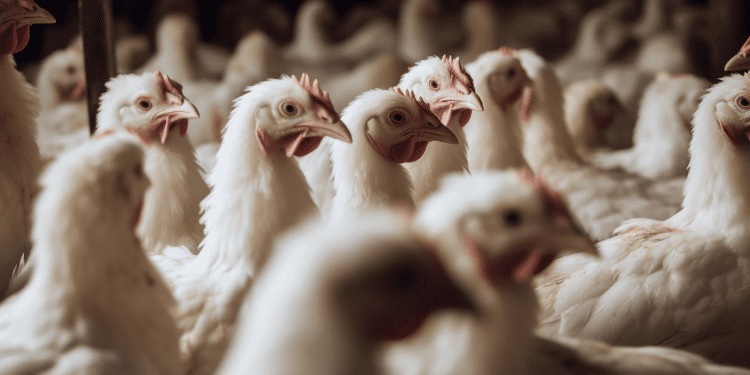
Agricultural experts have raised alarm over the growing impact of climate change on broiler farming, warning that rising global temperatures are putting significant pressure on poultry production.
Dr Enoch Machingauta, a poultry specialist at Econutrivet, says the industry is facing serious challenges as broilers struggle to cope with heat stress, declining feed quality, and weakened immune responses.
“Elevated temperatures due to climate change lead to both heat and cold stress in broilers, affecting their growth, reproduction, and overall health,” said Dr Machingauta. “These birds are particularly vulnerable because they lack sweat glands and often stop eating under stress.”
He noted that climate change is also disrupting the availability and nutritional value of key feed ingredients, such as maize, groundnut cake, and wheat offal.
“When the quality and availability of feed ingredients decline, it affects feed intake and the nutritional value of poultry diets, leading to reduced feed efficiency and body weight,” he said.
Another major concern is the impact of cold stress on broilers’ immune systems. Dr Machingauta explained that fluctuating temperatures can suppress immune responses, making birds more susceptible to diseases and parasites.
“Broilers under cold stress reduce their feed consumption and have lower digestibility, which means more feed is required to achieve the same weight gain,” he said. “This decreased feed efficiency is particularly worrying for the sustainability of the sector.”
He added that the effects of climate change are not limited to direct heat or cold exposure.
“Reduced water availability and changing patterns of pests and diseases are further disrupting broiler production and efficiency,” Dr Machingauta warned.
The growing threat to broiler farming has far-reaching implications for food security, rural livelihoods, and the economic viability of poultry production in regions already vulnerable to climate shocks.