

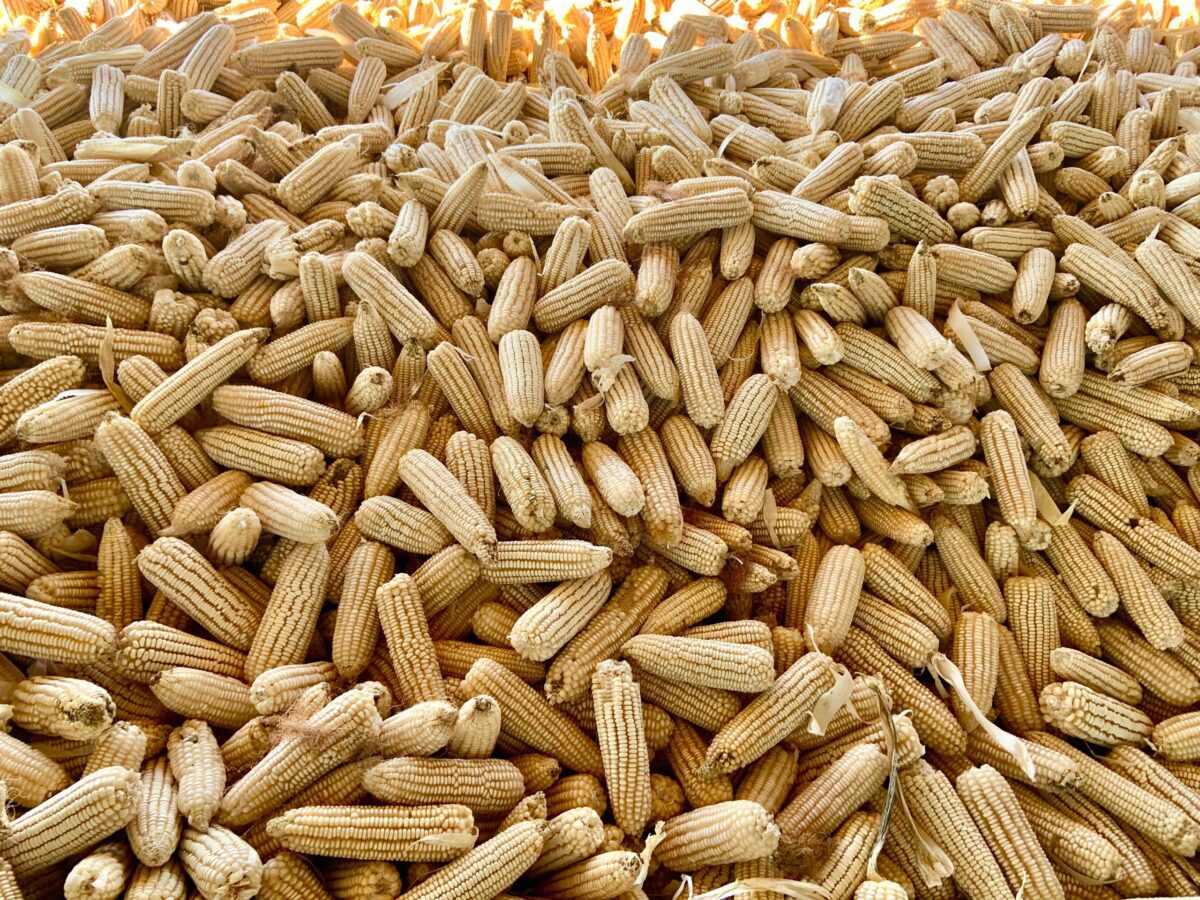
Climate change has become a harsh daily reality for villagers in Matabeleland, with erratic rainfall, exhausted soils, dying livestock and the rapid disappearance of ancient forests, according to experts.
Rains are now erratic. “It used to start raining in September, now it rains from the end of November to December,” says a 61-year-old peasant farmer Talita Matutu of Umguza in Matabeleland North.
Seasons are now shorter. According to weatherapi.com, most parts of Matabeleland receive rain only 50 days per year, scattered thinly between October and March.
This minimal and poorly distributed rainfall leaves the land parched for much of the year.
The World Bank’s Climate Change Knowledge Portal shows Zimbabwe’s rainfall ranges from just 2mm to 160mm per month, averaging only 670mm annually.
Matabeleland falls in natural Region 5 which is characterised by erratic rainfall of less than 650mm a year.
The Food and Agricultural Organisation says the region is suitable for cattle production and game-ranching but communal farmers grow crops like maize and millet.
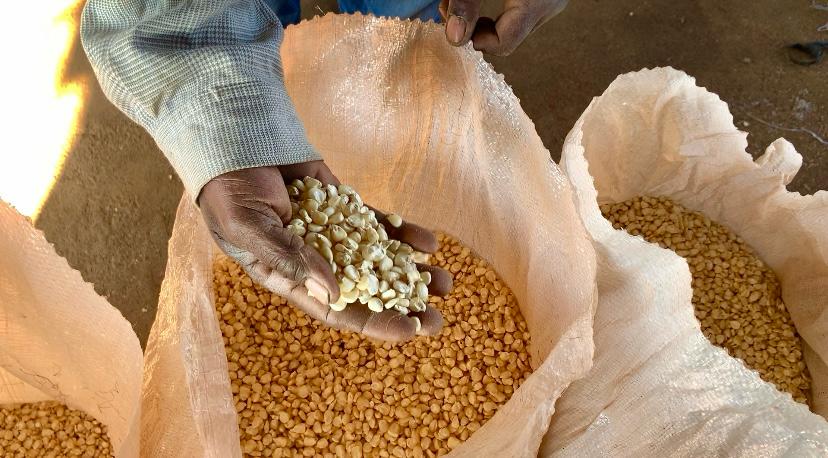
Mandivamba Rukuni and Carl Eicher in their book: Zimbabwe’s Agricultural Revolution say crop yields in Region 5 are extremely low and the risk of crop failure is high in one out of three years.
To compound the effects of climate change, temperatures are becoming cooler. According to Nomadweather.com, Matabeleland South, traditionally hot and dry, now sees winter temperatures dropping to as low as 2°C in June and July, unusually cold for a semi-arid region.
Summer highs still soar to 46°C in October, illustrating the increasingly extreme and erratic weather conditions driven by climate change.
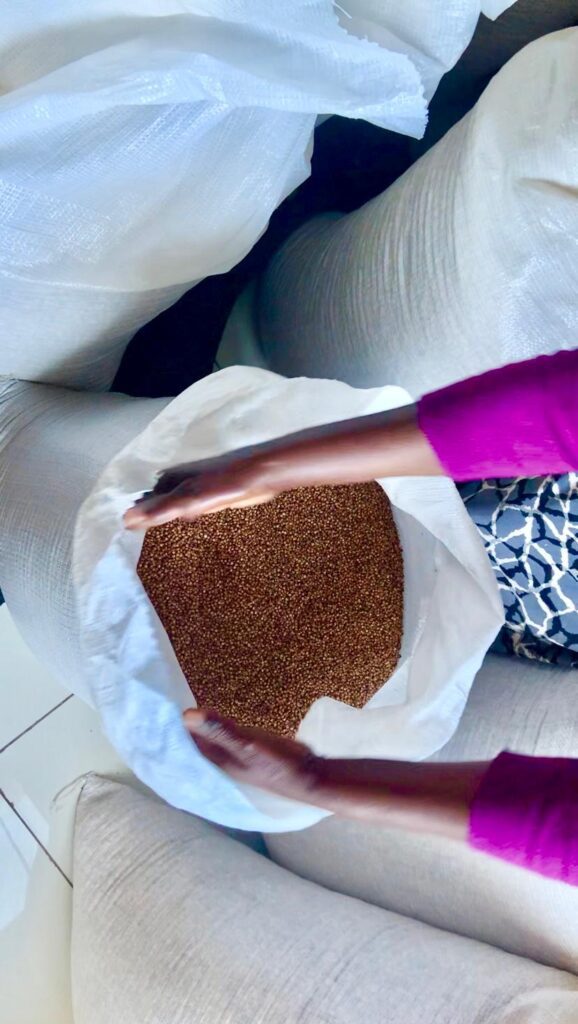
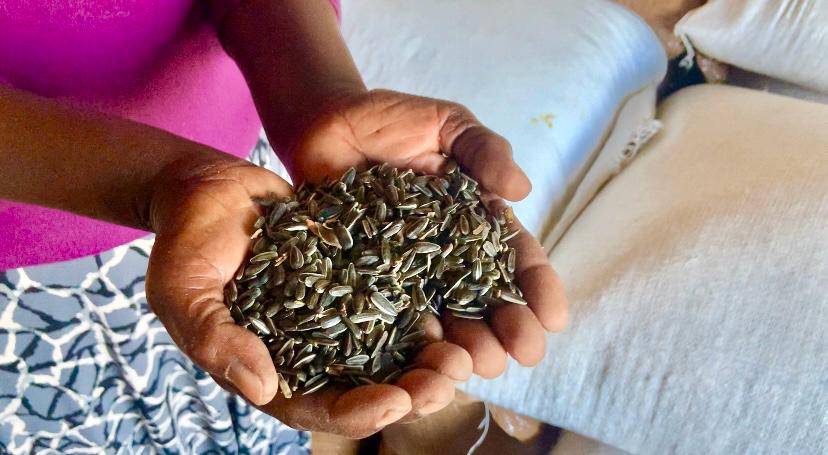
This shift is forcing farmers to adapt, as many now rely on drought-tolerant crops such as sorghum, pearl millet, finger millet and certain maize varieties.
Matabeleland is suited for cattle and wildlife farming, but even these are under threat because of growing water and pasture shortages which are the result of recent climate changes.
An environmental activist in the region, Khumbulani Maphosa, says, 30 percent of households in Matabeleland South lost cattle last year due to the drought.
“There was also a sharp drop in cattle prices,” he said. “Matabeleland South, in Gwanda, had up to around 64 percent price drop, in Nkayi up to 60 percent. When cattle prices drop, it’s like a stock market crash.”
Forests are disappearing because of the changing climate resulting in worsening deforestation and environmental stress.
Global Forest Watch reports that in 2020, Matabeleland North lost 1.02 million hectares of natural forest, which is 14 percent of its land area.
In 2023, the province lost another 710 hectares.
Environmentalists say such forest loss not only fuels climate change by reducing carbon absorption but also destroys biodiversity and threatens the livelihoods of local communities who depend on natural resources.
University of the Witwatersrand professor Dr Muchaparara Musemwa says climate change is fuelling more extreme weather events, including heatwaves, droughts, floods, wildfires, and cyclones, making rural livelihoods increasingly unstable.
Tsholotsho in Matabeleland North, is a typical example. Flooding has become a recurring threat.
Historical data from reliefweb.int shows that major floods in Matabeleland North occurred in 1978, 2001 and 2013, often triggered by the bursting of the Gwayi River and its tributaries.
In response, authorities and non-governmental organisations evacuated affected communities to Sipepa Rural Health Centre, a trend expected to worsen with intensifying climate change.
To combat these climate changes, subsistence farmers in the semi-arid region say they are embracing various strategies to survive by combining traditional knowledge with modern techniques such as digging holes rather than ploughing entire fields to grow crops.
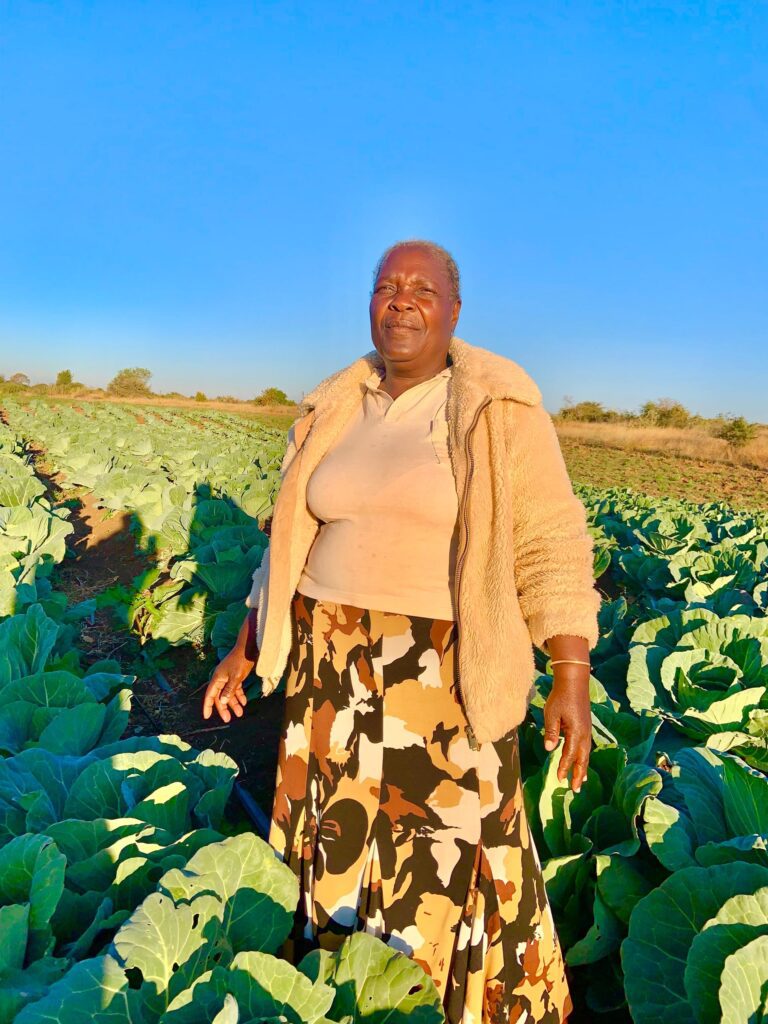
Matutu, who has been farming in Umguza for over 40 years says that rainfall no longer follows the patterns of the past, a shift she says has made adaptation necessary.
Her adaptation is gantshompo or pfumbudza, an indigenous conservation method, with 15cm-deep, and 15cm-wide holes that capture and conserve moisture.
“When each hole is full of water, one can start planting because the water will be stored.”
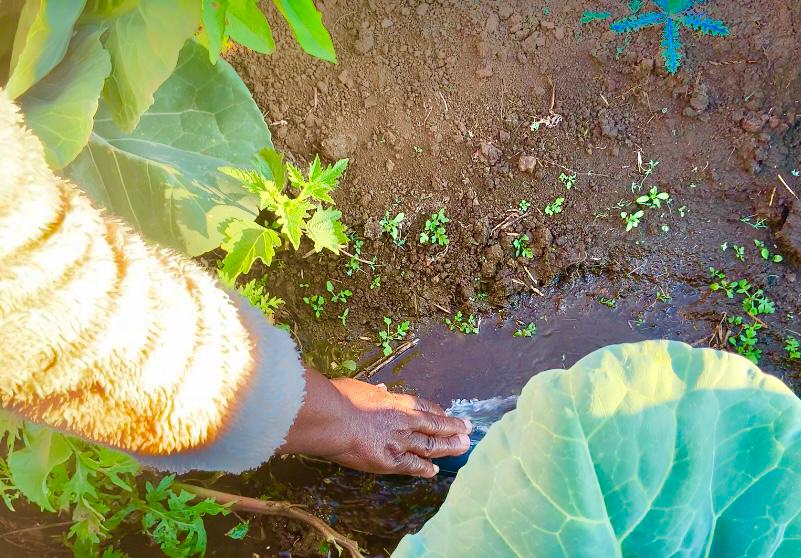
Matabeleland North agronomist Zenzele Ndlovu, says climate change has led to food insecurity, high production costs, low incomes and in some cases, loss of livelihoods for mostly subsistence farmers in the region.
“We have witnessed crop failure in years where there are prolonged droughts and changes in rainfall patterns, and that hinges around the late start and early cessation of the rainfall season,” she said.
“This has led to higher rates of crop failure, limited crop production, which eventually leads to increased food insecurity and low incomes for the farmers. Farmers are also dealing with pests such as locusts and webworms.
Umguza Ward 17 agritex officer, Nozinhle Nyoni, said the reality of climate change has compelled them to give farmers advice such as “how farmers plant, which crops they should plant and how they can feed their livestock.”
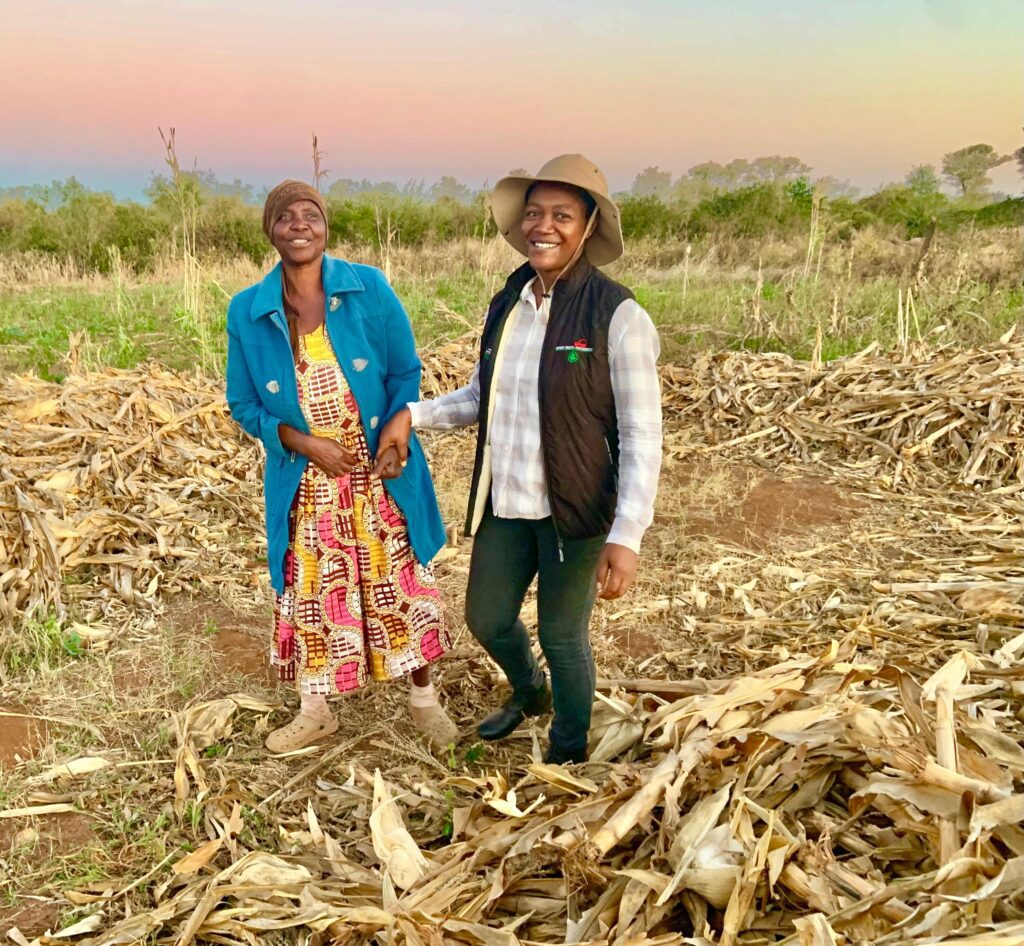
A teenage woman in the Mahetshe Ward 20 in Maphisa, Matabeleland South. Sifikile Dube, says they have adapted through planting small grains, especially now when there is not enough rain.
“Small grains are the way to go because they are more drought-resistant,” she said.
“That’s why we need to plant crops like sorghum, millet, groundnuts and round nuts that don’t require a lot of water.”
Some farmers in Umguza and Bulilima, which have seen recurring droughts and erratic weather patterns since independence in 1980, have started signing up for insurance that covers a range of risks including drought, floods, pests, fire and crop diseases.
Joel Sibanda, aged 72 and his wife Selina (62) of Woolendale Farm, have insured their crops at the cost of $24 per hectare.
“We didn’t have insurance all along, we started this year,” Sibanda said.
“Out of 12 hectares we decided to go with one hectare to see if we will be able to afford it and also see how this insurance works. I hope to harvest five tonnes.”
Matutu says she and others in Umguza have taken up ‘smart agriculture’ combining the use of fertiliser with natural methods of improving the nutrients in the soil.
“Long ago we used to spread fertiliser or manure on the whole field but now we are putting it hole by hole,” she said.
“It may seem hard at first but it becomes easier as you get used to it. You put fertiliser or manure directly into the hole because if you put it everywhere it will work where it’s not supposed to.”
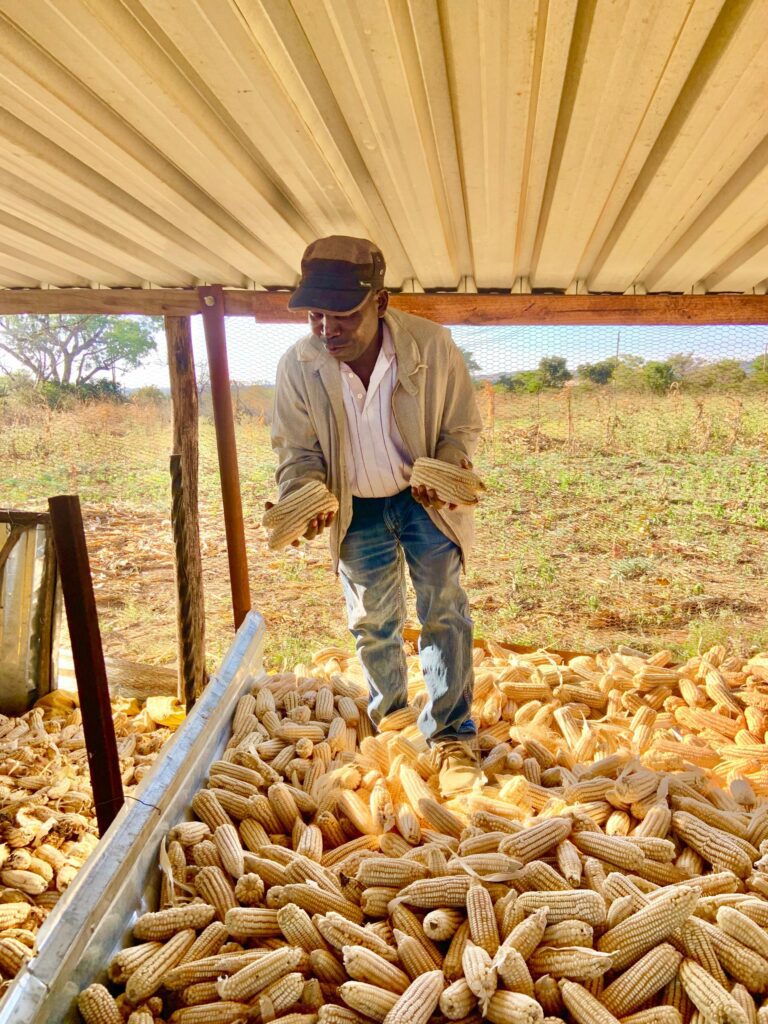
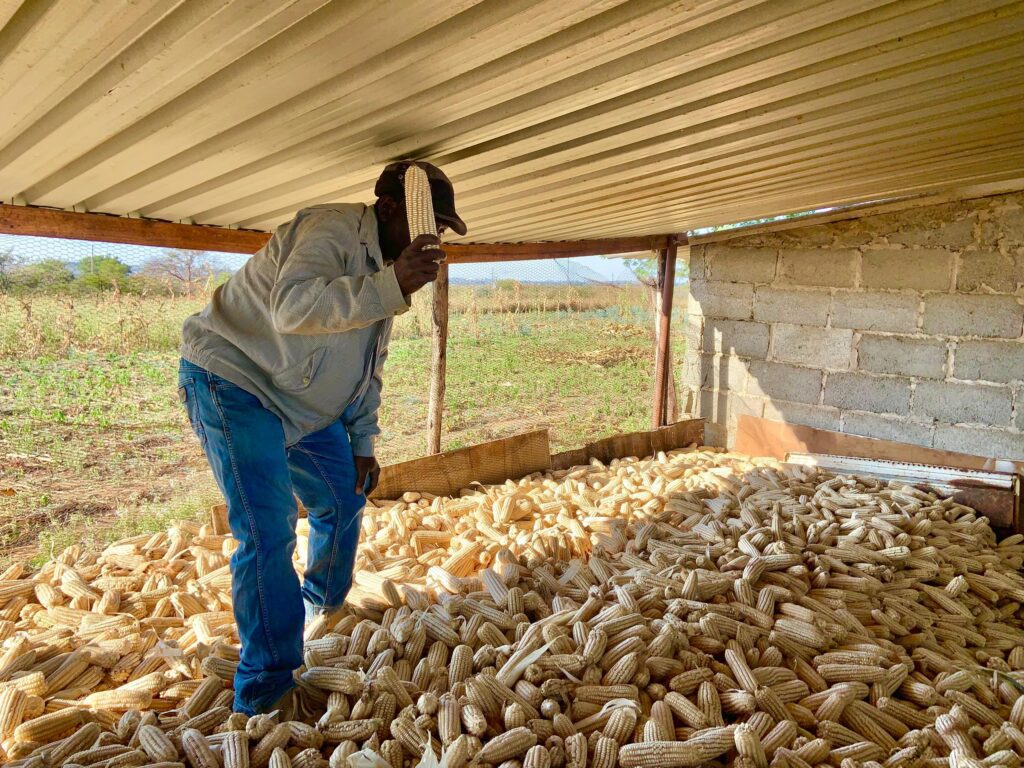
The use of fertiliser has paid off for another Umguza farmer Benson Sithole (56). But he says we need assistance from the government to distribute seed, fertiliser and chemicals for spraying pests on time.
Support from the government is lacking. The government this year allocated ZiG 516.9 million (about US$17.23 million) for climate adaptation but 28 percent is for travel and rentals leaving very little for seed procurement and irrigation.
This article was published under the Voluntary Media Council of Zimbabwe Investigative Journalism Fund with support from the Friedrich Naumann Foundation.