

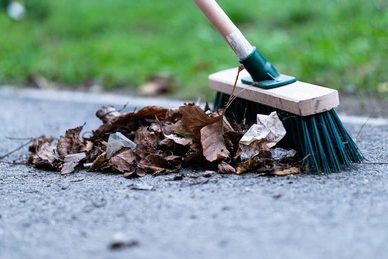
Church leaders in Bulawayo have raised concerns over challenges affecting efforts to keep the city clean, warning that limited resources, weak public participation and negative perceptions are undermining monthly clean-up campaigns.
The concerns were highlighted by the Zimbabwe Heads of Christian Denominations following the First Friday National Clean-Up Campaign held in the city on 6 March, which attracted about 500 participants.
Speaking on behalf of the church grouping, Reverend Mbongeni Dube said one of the major obstacles was the lack of a coordinated approach to ensure the sustainability of the initiative.
“There is a lack of a complementary approach for effectiveness in the monthly clean-up programmes. Clean-up campaigns are perceived as once-off events but not a lifestyle, hence there is no sustainability,” he said.
“This justifies the need for an inclusive and participatory approach that acknowledges grassroots involvement leading to ownership and sustainability.”
Rev Dube also said limited resources were affecting the effectiveness of waste management and community participation.
“Limited resources such as lack of disposal containers and lack of training on how each individual can buy into the clean-up process and be intrinsically motivated on the value of the clean-up process leading to solid waste management is vital,” he said.
The church leader said faith-based organisations believe their role extends beyond religious activities to include transforming communities through practical action.
“We are realising that as the church, the goal is not limited to getting people to church but to get the church into the world, transforming our communities leading to cleanliness,” he said.
The campaign forms part of the First Friday National Clean-Up Campaign launched in December 2018 by Emmerson Mnangagwa to promote a clean, safe and healthy environment through sustainable waste management.
Since November 2025, churches in Bulawayo, led by the Zimbabwe Heads of Christian Denominations and supported by other faith communities, including Muslims, have been actively participating in the initiative while encouraging residents to take responsibility for keeping the city clean.
Rev Dube said the church was working to turn the monthly national clean-up exercise into a daily habit within communities.
“Turning the mandatory national clean-up day of every first Friday of the month into a daily exercise internalises sustainable waste management,” he said.
“This will lead to zero tolerance of litter and encourage an inclusive and joint participatory approach in cleaning the city of Bulawayo.”
He added that stronger partnerships between the church, government, businesses and communities were needed to ensure long-term success.
“The majority of the population in Bulawayo belongs to a church, therefore the rise of the church in tackling environmental issues will influence the majority of the population in contributing to a safe, clean and healthy environment,” he said.
The next clean-up campaign is scheduled for 3 April, which coincides with the Good Friday.
Rev Dube encouraged those unable to join organised activities to clean their immediate surroundings at home, work or places of worship and share their efforts with the campaign organisers.
Support CITE’s fearless, independent journalism. Your donation helps us amplify community voices, fight misinformation, and hold power to account. Help keep the truth alive. Donate today