

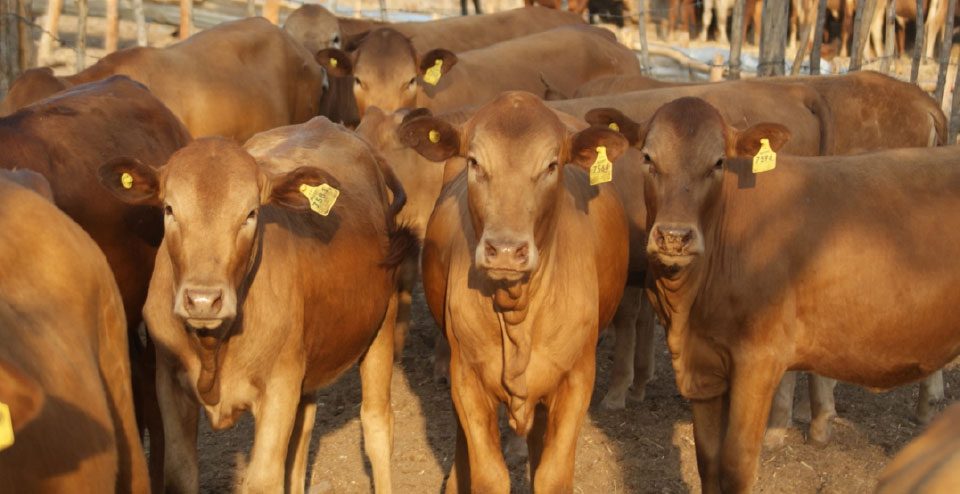
Small-scale livestock farmers in Bona Village, Bubi district, Matabeleland North, are facing heavy losses as a tick-borne disease, locally known as January disease, continues to kill cattle, undermining household incomes and food security.
Farmers say the disease, caused by theileriosis and usually spread during the rainy season, has not only led to cattle deaths but also increased costs for tick control, reduced ploughing capacity, and removed a critical safety net used to pay for food and medical expenses.
Cynthia Ndlovu, a livestock farmer in Village 8, said she had already lost 11 cattle since last year. “I depend on cattle for ploughing, and if I continue losing them, I will not be able to prepare my fields. That threatens my family’s food security in the coming season,” she said.
Another farmer, Gogo MaDube, lost three cattle and said she could not afford the treatment and vaccination needed to prevent further deaths. “We are not dipping because our dip tank is closed due to a shortage of dipping chemicals and water. We now rely on spraying, but the chemicals are expensive, so we can only spray once in a while,” she said.
Preventing January disease requires vaccination and consistent tick control through dipping and other measures. However, farmers say these are often unaffordable or inaccessible due to infrastructure challenges. Ms MaDube said a single bottle of spraying chemical costs about US$20, forcing villagers to use it sparingly.
Village head Gibson Gumede confirmed reports of multiple cattle deaths in the area, warning that continued losses could cripple food production. “We use cattle for ploughing; that is how we produce food. If we continue to lose cows, we will not be able to feed our families,” he said.
Herod Msipa, a retired farmer, said the loss of eight cattle had left him without income for essentials, including medication. “It is disheartening that we continue losing cows and nothing is being done. I could have sold some to buy my medication, but now I am left with nothing,” he said.
Chief Hlabangana said more than 100 cases of cattle deaths had been reported. He noted that many dip tanks in the area had become obsolete due to tick resistance or water shortages, forcing villagers to fetch water from distant boreholes. “Communities need to come together to discuss a way forward because veterinary services have not provided solutions,” he said.
Support CITE’s fearless, independent journalism. Your donation helps us amplify community voices, fight misinformation, and hold power to account. Help keep the truth alive. Donate today