

Zimbabwe’s Catholic Bishops have issued a strong pastoral message warning that the proposed Constitution of Zimbabwe Amendment (No. 3) Bill, 2026 risks eroding democratic sovereignty, urging lawmakers to reject any provisions that weaken the authority of citizens and to allow a referendum if the changes are genuine.
In the pastoral letter titled “In Defence of Truth, Justice, and the Voice of the People,” released on March 19, 2026, the Zimbabwe Catholic Bishops Conference (ZCBC) said the country stands at a critical moment that demands “calm reflection, moral courage, and unwavering honesty.”
Quoting scripture, the bishops framed the debate as both a constitutional and moral issue.
“For what does it profit a man to gain the whole world and forfeit his life?” (Mk 8:36).
They warned the proposed amendments “challenge the very foundation of our shared life together,” stressing that Zimbabwe’s 2013 Constitution is not merely a legal document but “a solemn covenant, born from the overwhelming will of Zimbabweans.”
Central to their concerns is what they described as the erosion of citizen power.
The bishops declared: “All legitimate authority flows from the people.”
This principle, reaffirmed during the 2023 elections, must remain the cornerstone of governance, added the bishops.
“The Voice of the People Must Remain Supreme,” the bishops said, cautioning against reforms that concentrate power in the Executive at the expense of public participation.
They noted President Emmerson Mnangagwa himself has repeatedly invoked the same principle that “the voice of the people is the voice of God.”
The bishops said they “hold dear this wisdom,” but warned that sidelining it would damage national unity and trust.
“To sideline it risks fracturing the bonds of ubuntu/unhu, where true leadership builds up the whole community, not just a part,” the statement read.
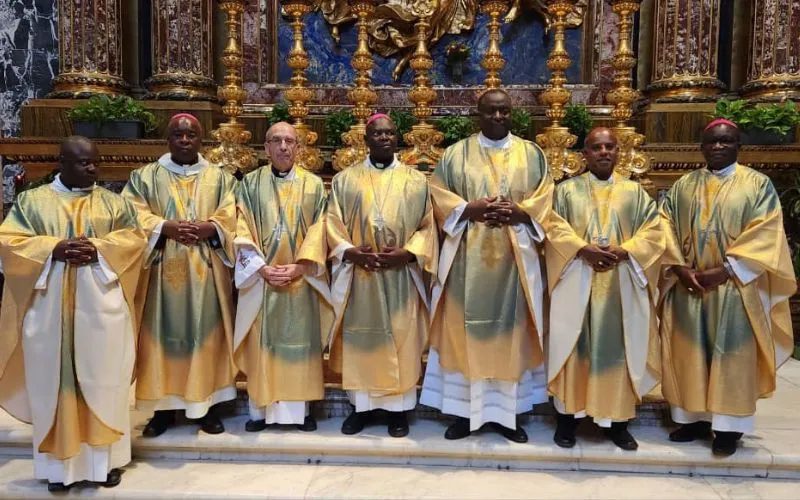
The message, signed by senior Catholic leaders including Bishop Raymond Mupandasekwa, Bishop Rudolf Nyandoro, Archbishop Robert Ndlovu, and Archbishop Alex Thomas, adds to growing scrutiny of the proposed constitutional amendments, which have sparked debate over governance, accountability and the balance of power in Zimbabwe.
The pastoral message also outlined several specific concerns about the proposed amendment, arguing its provisions collectively “move power away from the citizens and consolidate it within the Executive.”
Among the issues raised is the proposed removal of direct presidential elections.
The bishops described this as a fundamental threat to democratic participation.
“The right to directly elect the President is a core mechanism of citizen sovereignty. Moving this power to Parliament distances executive authority from the popular consent of the people,” they said.
They also criticised proposals to extend the terms of elected officials without returning to the electorate.
“In 2023, you elected representatives for five-year terms. Extending these terms to seven years without seeking a new mandate from the voters undermines democratic legitimacy,” the bishops said.
The clergy further warned against attempts to bypass constitutional safeguards, particularly provisions that prevent incumbents from benefiting from term extensions.
“To sidestep this via amendment, without a referendum, creates a ‘glaring contradiction’ and threatens the very existence of our constitutional democracy,” the statement said.
Beyond electoral issues, the bishops raised alarm over what they termed the weakening of independent institutions, warning that proposed changes could compromise the judiciary, electoral systems, and traditional leadership structures.
They cautioned that increasing presidential control over judicial appointments risks undermining public trust in the justice system, while altering the functions of the Zimbabwe Electoral Commission (ZEC) could weaken electoral transparency.
“A healthy democracy requires checks and balances. The proposed changes risk turning independent pillars into partisan instruments,” they said.
The bishops also expressed concern about the potential politicisation of traditional leaders, warning that allowing chiefs to act in a partisan manner would erode their role as unifying figures within communities.
“Institutions aligned with the common good unite us; those captured by narrow interests divide,” they added.
In a direct appeal to legislators, the bishops urged Members of Parliament and Senators to act according to their conscience rather than political pressure.
“You bear a sacred duty before God and the nation: to govern for the common good, not personal or partisan gain,” they said.
They acknowledged that lawmakers may face inducements or intimidation but urged them to remain steadfast.
“Pressures, be they bribes, threats, or promises, may tempt you, but hear Christ’s call… ‘Do not fear those who kill the body but cannot kill the soul,’” the statement read.
The bishops emphasised that history would judge the actions of legislators during this process.
“Let conscience guide you: reject any change that silences the people. History will judge whether you safeguarded their voice or betrayed it,” they said.
They reinforced their message with a call for integrity and moral courage: “Chokwadi chinokunda/iqiniso liyanqoba, truth prevails.”
The pastoral letter further challenged the government to subject the proposed amendments to broader public scrutiny, including a referendum if necessary.
“If these amendments genuinely serve the nation’s welfare, let the people affirm them,” the bishops said.
They stressed that constitutional changes of such magnitude must not be imposed from above but should emerge through inclusive processes.
“Matters of such gravity demand transparency, wide consultation, and, where required, a referendum, honouring the Constitution’s own protections,” the statement said.
The bishops reiterated that Zimbabwe’s Constitution belongs to the people and must remain under their control.
“The common good is not imposed from above; it emerges when all contribute… The Constitution belongs to every Zimbabwean; it must remain in their hands,” they said.
In their closing remarks, the bishops called on citizens to remain peaceful but engaged, urging them to stay informed and participate responsibly in national affairs.
“This is a moment for prayerful responsibility, not fear or strife. Stay informed, speak wisely, and act peacefully,” they said.
They concluded with a reflection on the long-term implications of the current debate.
“Our choices today shape tomorrow. Future generations will ask: Did we defend the people’s voice? May we answer with conviction: yes, we stood for truth and the common good.”