

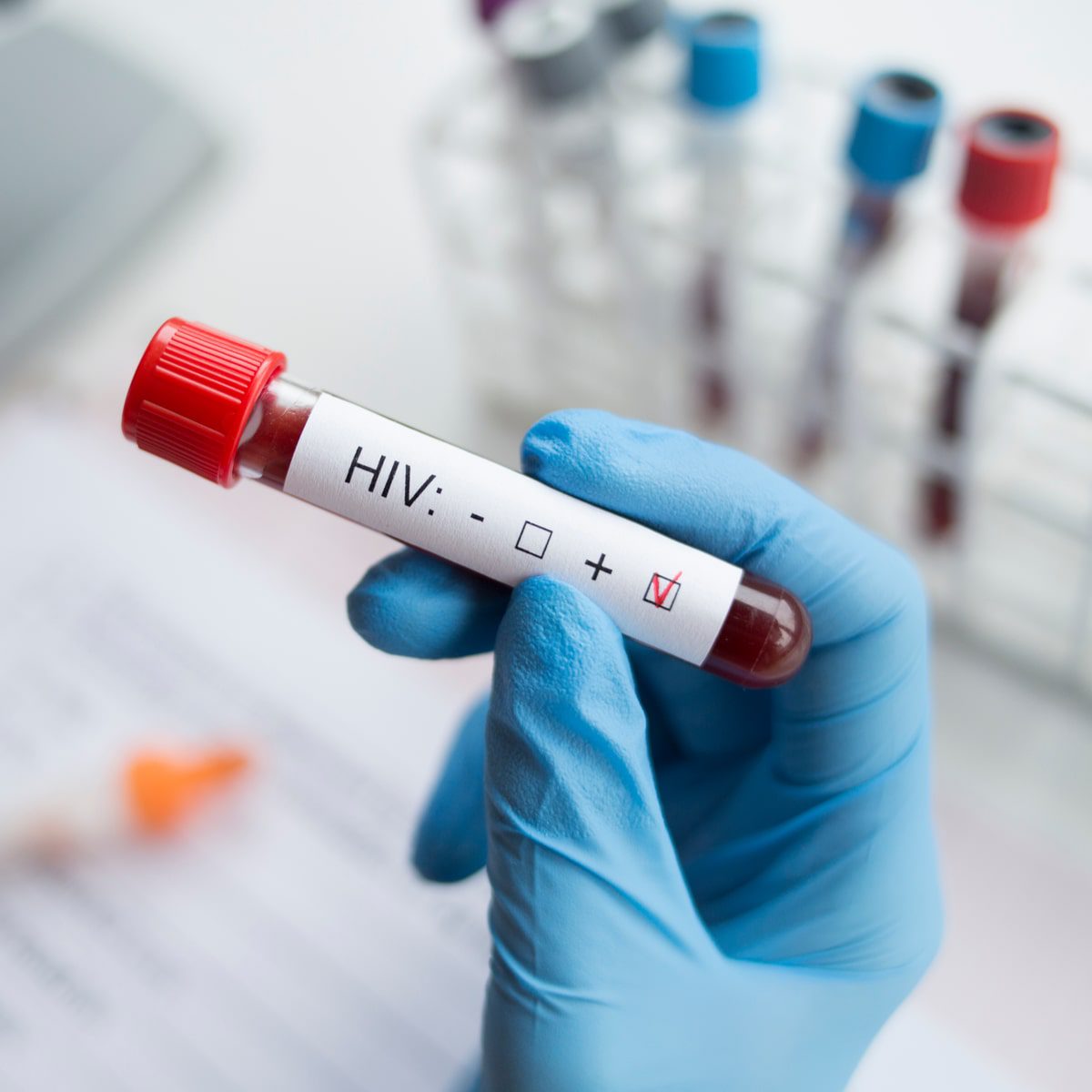
Bulawayo is witnessing a notable progress in controlling the HIV epidemic, with new infections nearly halved and treatment coverage now above 98 percent, but persistent gender gaps, the realities of aging with HIV and the burden of non-communicable diseases (NCDs) remain pressing challenges, according to the 2025 HIV Estimates Report for Bulawayo Metropolitan Province.
The report, presented by the National AIDS Council (NAC) to journalists during a recent workshop, shows a picture of progress that still has gaps to be addressed.
NAC Bulawayo Monitoring and Evaluation Officer, Primrose Dube, said these estimates are a critical tool for tracking progress and adjusting interventions.
“The HIV situation for 2025 is based on projections using 2024 data for Bulawayo. We estimate key HIV indicators using programme data from clinics, surveys, and surveillance, combined with models such as Spectrum, Naomi, and the VMMC model,” Dube explained.
She said this was done to understand the trajectory of the epidemic, monitor and improve the response and inform national strategic frameworks and donor agreements.
“At the end of it all we are triangulating all available data, we are looking at high quality data to calculate the best estimates that we can probably share,” Dube said.
According to the 2025 HIV Estimates report, 76 608 people were living with HIV in Bulawayo in 2024, down from 79 711 in 2020 based on calibrated Zimbabwe Population-based HIV Impact Assessment (ZIMPHIA) survey data.
This represents a decline of more than 3 100 people and reflects improved health management and successful prevention strategies.
Treatment access is also expanding. ART coverage has jumped from 87.5 percent in 2020 to 98.3 percent in 2024, edging the province closer to global UNAIDS 95-95-95 targets and Zimbabwe’s own 2030 commitments.
“The data show that Bulawayo has made substantial gains,” Dube said.
“We also noted a 44 percent reduction in new HIV infections across all age groups, which is a very positive signal.”
Despite the gains, the epidemic remains unevenly distributed between men and women.
In 2024, Bulawayo had 28 776 men living with HIV compared to 47 832 women. Prevalence among women was significantly higher at 13.6 percent, compared to 7.8 percent among men.
Dube said the profile points to structural inequalities that make women more vulnerable to infection.
“Our epidemic profile shows that prevalence peaks at 30 to 39 years among females, where 26 to 28 percent are living with HIV. Among men, prevalence peaks later, at 40 to 49 years. Even among adolescents, we see the imbalance -five percent of females aged 15 to 19 are HIV-positive, compared to just two to three percent of males in the same age group,” she explained.
The data, Dube added, highlight the need for targeted prevention strategies that address women’s early vulnerability to HIV.
Children and adolescents represent a smaller share of the HIV burden but remain a key focus for programming.
In 2024, an estimated 3 056 children aged 0 to 14 were living with HIV in Bulawayo.
Among young people aged 15 to 24, about 3 713 were HIV-positive. The majority of cases, more than 73 000, were in adults 15 years and older.
Encouragingly, prevention of mother-to-child transmission (PMTCT) programmes appear to be paying off, Dube said.
The report shows a 50 percent reduction in new infections among children, from 158 in 2020 to 88 in 2024.
“This shows good progress in PMTCT,” Dube said, noting that continued investment in maternal health and paediatric HIV services is essential.
The 2025 HIV Estimates report also shows steep declines in HIV incidence and AIDS-related deaths.
Among the 15 to 49 age group, incidence fell by 52 percent between 2020 and 2024.
Men saw a 50 percent reduction, while women recorded a 48 percent drop.
Overall new infections fell from 1 016 in 2020 to 567 in 2024, with the greatest improvements among young people and children.
For adolescents, new infections were cut in half from 234 to 117.
In terms of mortality, Bulawayo accounted for 5.7 percent of Zimbabwe’s 16,723 AIDS-related deaths in 2024, with an estimated 946 deaths.
While this figure remains sobering, the trend suggests progress in reducing HIV-related deaths through better treatment coverage and care.
One of the emerging challenges is the growing population of older adults living with HIV. By 2024, most people living with HIV in Bulawayo were adults, with the majority aged 15 years and above.
Dube said this shift carries implications for care and treatment.
“As we discuss aging with HIV, we must also look at non-communicable diseases (NCDs) in this population. People living longer with HIV are now facing conditions like hypertension, diabetes and cancers alongside HIV,” she noted.
This dual burden complicates care, since HIV medications can interact with drugs for other chronic conditions, and health systems must adapt to meet these new demands.
Read how – Bulawayo faces a silent health crisis as one to five percent of patients on HIV and TB treatment default despite decades of investment and free access to care: https://cite.org.zw/bulawayos-silent-crisis-patients-defaulting-on-hiv-and-tb-treatment/
Bulawayo province NAC acting programmes manager, Douglas Moyo said the findings underline the importance of sustaining momentum while addressing gaps.
“Bulawayo has made measurable progress toward epidemic control, but the persistent gender gap, high prevalence among young women, and the growing needs of older patients require tailored solutions,” he said.
“The decline in new infections and deaths shows that prevention and treatment efforts are working. However, high adherence rates must be sustained, especially as patients navigate economic challenges and treatment fatigue.”
Dube also added that the estimates are not just numbers but a roadmap for action.
“These projections are there to help us see where we stand against the 95-95-95 and 2030 targets. They are there to inform policy, strengthen our response and make sure that no group is left behind,” she said.
Support CITE’s fearless, independent journalism. Your donation helps us amplify community voices, fight misinformation, and hold power to account. Help keep the truth alive. Donate today