

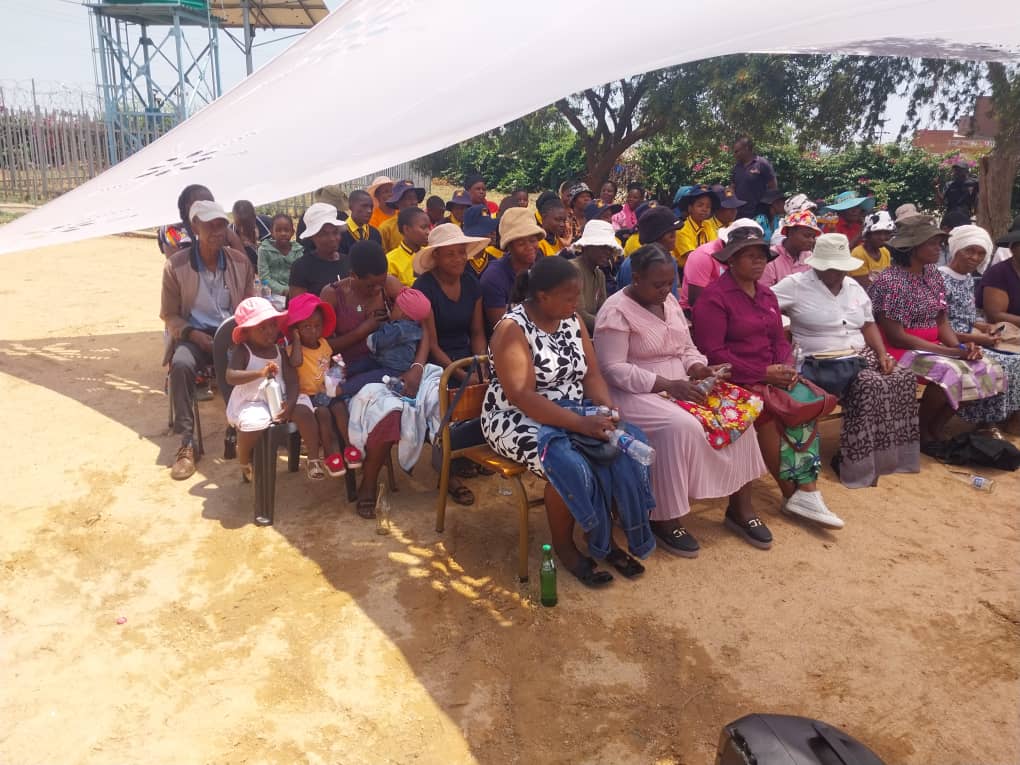
To counter one of the most serious health threats to women in Bulawayo, community members are demanding increased awareness campaigns and a push for regular breast cancer screening in the city.
Residents say a lack of information and fear of diagnosis continue to cause delays in seeking medical attention, resulting in preventable deaths.
On Wednesday, the Entumbane community hosted a Breast Cancer Awareness Campaign at their local clinic, where health officials and residents discussed the importance of early detection and treatment.
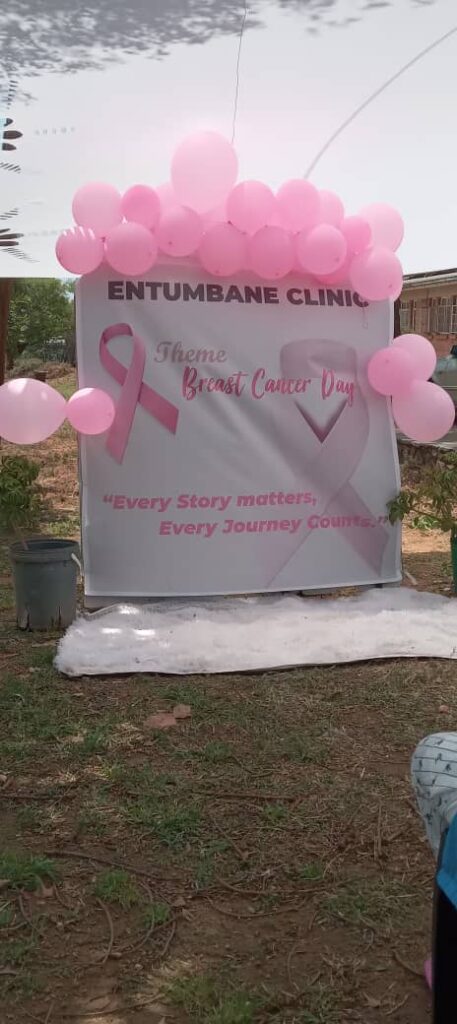
Ward 10 Councillor Khalazani Ndlovu said the main goal was to help residents understand that early screening saves lives.
“The purpose is to raise breast cancer awareness in the community because every story is unique and every journey matters,” said Ndlovu.
She added that the clinic should continue prioritising health education.
“Self-examination for early detection is the key message to the community. The clinic is encouraged to continue health education to raise awareness,” said the councillor.
A May 2025 report from the African Awareness of Cancer and Early Diagnosis (AWACAN-ED) study, using data from the Zimbabwe National Cancer Registry, revealed that breast cancer accounted for 21 percent of all cancers among women in the same year.
Data from the Zimbabwe National Cancer Registry (ZNCR) shows that cancer is rising in the country, with over 7 000 new cases and more than 3 000 deaths reported each year since 2014. Between 2009 and 2018, the number of new cancer cases nearly doubled, and both men and women have been increasingly affected.
A resident of Mpopoma, Minenhle Dube, said many women fear screening because they associate cancer with death.
“Some people think once you are diagnosed, there is no hope. We need more information from health workers to show that breast cancer can be treated if found early,” said Dube.
Sibusisiwe Ndlovu from Pumula South, urged that awareness should not be limited to October.
“We want regular check-ups at our clinic and more talks from nurses to teach us how to check ourselves. Many women do not know the proper way to examine their breasts or understand the warning signs. If we had guidance every month, more women could detect problems early and get treatment faster,” said Ndlovu.
“Education and practice are key because knowing how to check ourselves could save lives.”
Another resident of Cowdray Park, Faith Moyo, said cost remains a major barrier for many women.
“Some women cannot pay for the tests themselves, so they delay going for check-ups. This puts them at risk of discovering the disease too late, when treatment is more difficult and expensive,” said Moyo.
“We need more mobile community programmes to teach women about the signs of breast cancer, so no one has to suffer because of not having enough money.”
Every October, communities around the world mark Breast Cancer Awareness Month, using the pink ribbon as a symbol of solidarity.
Activities such as awareness walks, health talks, and fundraising events help educate people about early detection, healthy lifestyles and supporting those affected by the disease.
According to the World Health Organisation (WHO), every minute, four women are diagnosed with breast cancer worldwide and one woman dies from it.
Leave a comment